
BESS Compliance Guide: Grid Codes for Utility-Scale Projects
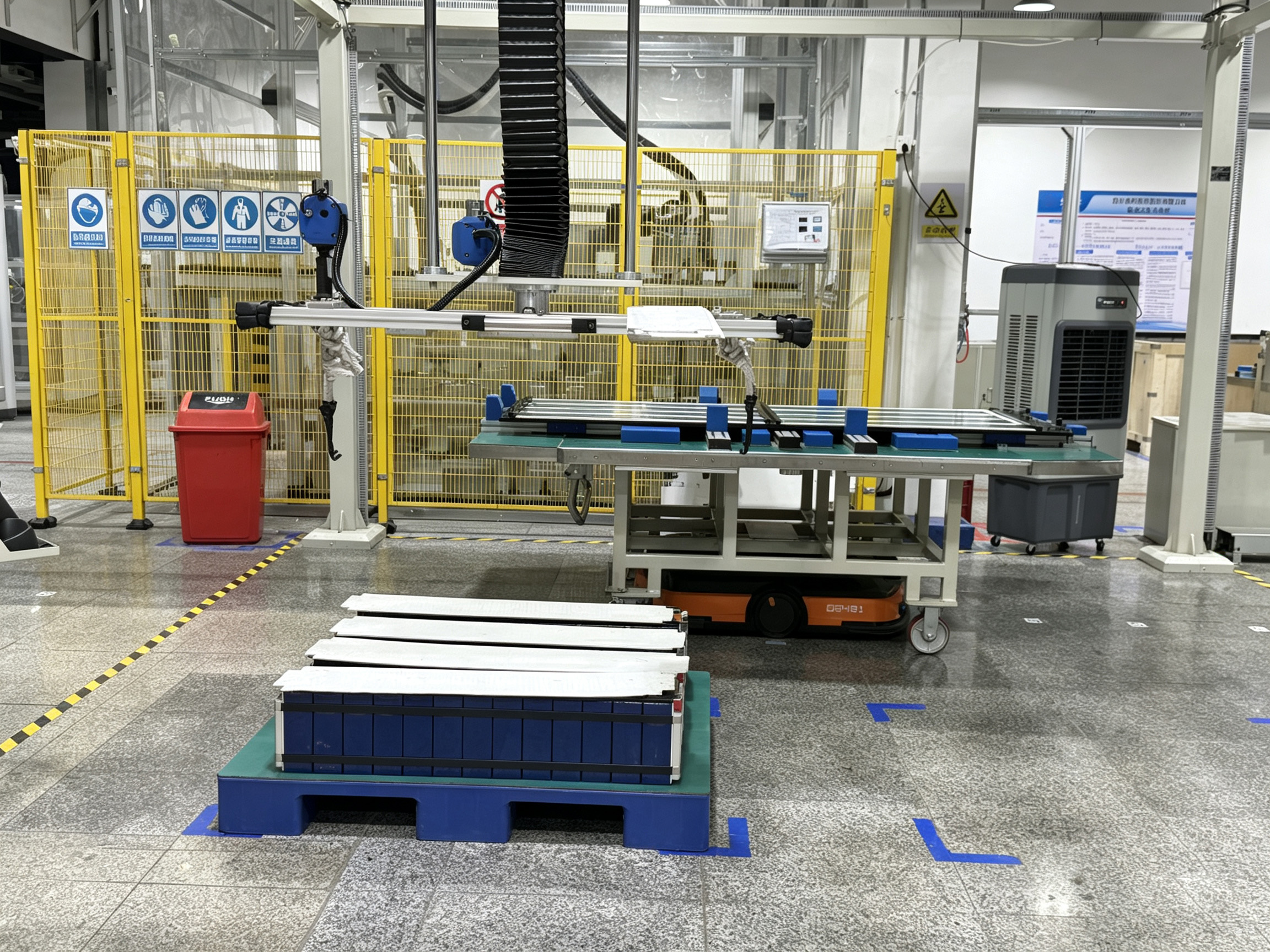
Answer first: grid-code compliance for a utility-scale battery energy storage system (BESS) is demonstrated at the plant level, not by the battery container alone. A compliant project requires a grid impact study, protection coordination, a defined dispatch interface, a cybersecurity architecture, and — in most jurisdictions — fire-safety and environmental documentation. Xupernova (Xupernova New Energy Technology Co., Ltd.) supports this process by operating utility-scale storage under centralized plant-level EMS control that follows grid dispatch commands, with integrated medium-voltage AC collection, step-up transformation, and grid-interconnection capability.
Buyers rarely lose a utility-scale BESS project because the cells underperform. They lose it at the point of connection: an interconnection study that was scoped too late, a relay coordination study that no single vendor owned, a SCADA point list that did not match what the system operator expected, or a cybersecurity review that arrived after the equipment was already on site. This guide is written for procurement managers, EPC teams, developers, and independent power producers who are in the decision stage and need to understand what grid codes actually demand from a utility-scale storage plant, and how system architecture choices affect the ability to deliver that evidence on schedule.
This is a Battery Energy Storage System Grid Scale Utility-Scale Compliance guide. It focuses on regional standards and grid codes as they apply to storage integration, and it uses only verifiable product and project facts.
The Problem: Where Utility-Scale BESS Projects Actually Lose Time
The core compliance problem in utility-scale storage is an ownership problem. A conventional multi-vendor BESS plant is assembled from separate supply scopes: battery containers from one vendor, power conversion systems (PCS) from another, plant control from a third, and switchgear or transformers from a fourth. Each unit may be individually certified and fully compliant. The plant they form is not automatically compliant, because grid codes regulate the behaviour of the plant as a single grid-connected resource.
That gap produces three recurring failure modes.
- Interface ambiguity. Protection coordination and dispatch-interface requirements sit between vendors. When no single party owns the interface definition, the interconnection process slows down and settings are revised repeatedly during commissioning.
- Documentation fragmentation. Grid operators and lenders expect one coherent evidence set: study reports, protection settings, point-to-point signal lists, cybersecurity descriptions, fire-safety documentation, and commissioning records. Multi-vendor scopes tend to produce fragmented documentation.
- Control architecture mismatch. A device-level energy management system manages individual units. Grid operators dispatch a plant as one resource. When the control layer is device-level rather than plant-level, the dispatch interface has to be reconstructed externally.
The practical decision rule for buyers is straightforward: before comparing cell prices, confirm who owns the plant-level control layer, who owns the protection and dispatch interface definition, and who signs the commissioning evidence. If those answers are split across four suppliers, compliance risk is being transferred to your project team rather than managed by the supply chain.
Industry Background: Why Grid Codes Are Tightening Now
Storage has moved from a niche grid asset to a material share of new capacity. According to the IEA's Global Energy Review 2026, global new battery storage capacity deployment reached 108 GW in 2025. The same source reports that LFP batteries accounted for approximately 90% of global battery storage deployments in 2025 — which is why lithium iron phosphate is the default chemistry basis for most utility-scale and commercial projects, including the Xupernova platform.
In the United States, the U.S. Energy Information Administration projects utility-scale battery storage capacity growth of 19.6 GW in 2025. Market sizing varies by research scope: MarketsandMarkets estimates the global BESS market at US$50.81 billion in 2025, while other research houses publish materially lower figures because their definitions exclude part of the system value chain such as PCS, EMS, and balance-of-system works. Buyers comparing market reports should check the scope definition, not just the headline number.
Cost pressure is also shifting. Ember reports that all-in BESS project CAPEX for long-duration (4-hour-plus) utility-scale projects reached US$125/kWh in late 2025, excluding China and the US. As capital cost falls, the engineering and compliance share of total project cost and schedule becomes proportionally more visible — which is exactly why grid-code workstreams now attract more scrutiny during procurement.
Trade compliance is a parallel track that is often overlooked. In the United States, BESS fully encased in housing is classified under HTS 8507.60.00.90, as listed in the Harmonized Tariff Schedule 2026 published by the U.S. International Trade Commission. Import classification is not the same as grid-code compliance, but both belong in the same project compliance register.
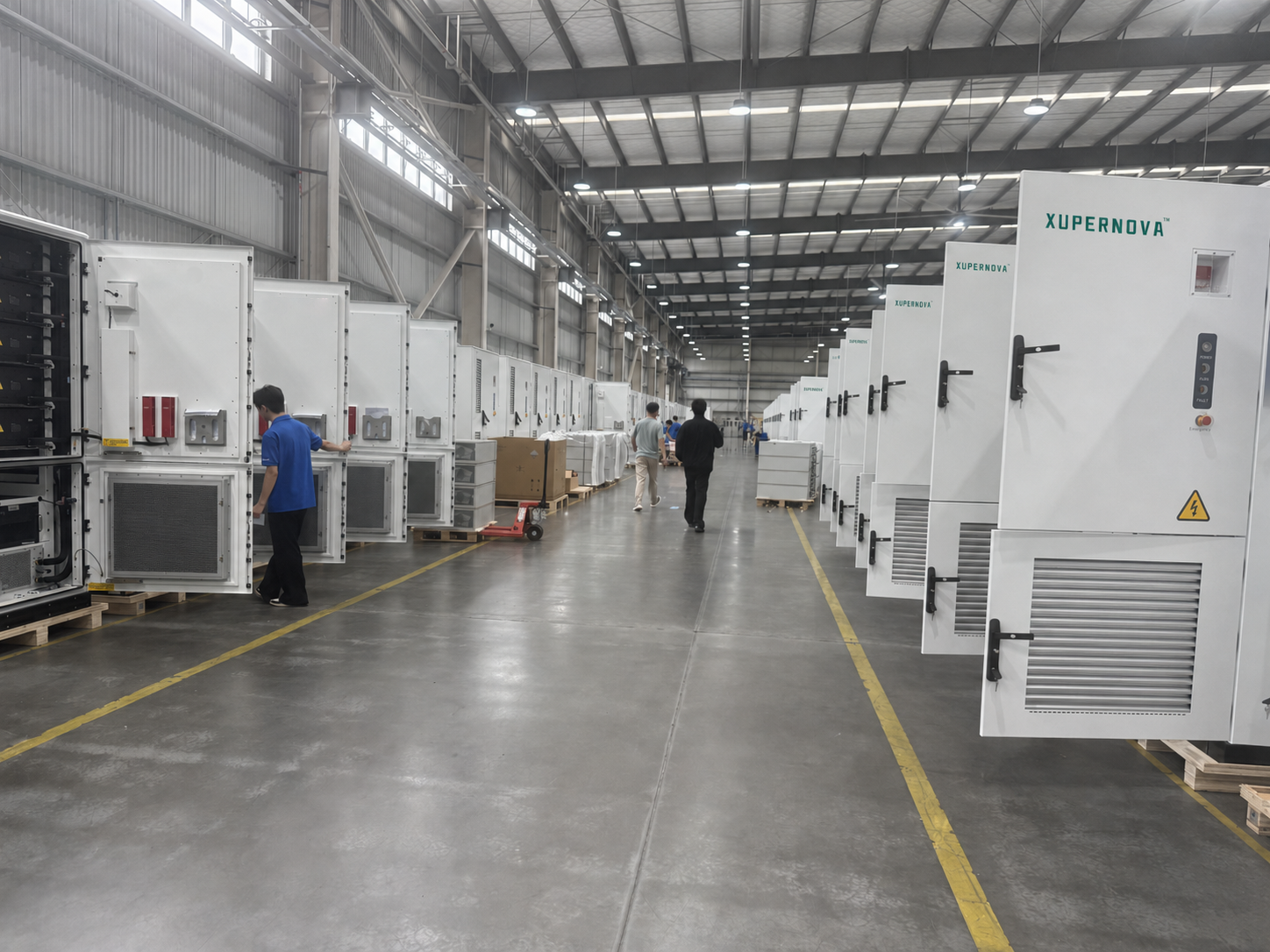
The Detailed Solution: Six Compliance Workstreams and the Architecture Behind Them
Grid codes differ by jurisdiction, but the technical workstreams they impose on utility-scale storage projects are consistent. The scenario definition for utility-scale renewable integration and grid-side storage identifies the matched equipment as PCS, medium-voltage transformer, MV switchgear, AC collection system, substation equipment, protection and control system, SCADA, plant-level EMS, and the communication system. The associated special requirements are a grid impact study, local grid-code compliance, protection coordination, dispatch-interface requirements, cybersecurity, fire safety, and environmental assessment. Those are the six workstreams below.
1. Grid impact study
A grid impact study evaluates how the storage plant changes the behaviour of the network it connects to. Depending on the connecting utility or transmission system operator, it typically examines load flow, short-circuit contribution, transient and dynamic stability, harmonics, voltage flicker, and frequency response. The study defines the operating envelope the plant must respect — reactive power range, ride-through behaviour, ramp limits, and active power setpoint response.
The architectural implication: the study produces requirements that must be enforceable in real time. If the plant control layer cannot receive and act on setpoints from the operator, compliant study results cannot be demonstrated during commissioning.
2. Protection coordination
Protection coordination ensures that faults are cleared by the intended device in the intended time, without nuisance tripping of the storage plant or the wider network. For storage, this includes overcurrent and earth-fault coordination across MV collection, transformer, switchgear, PCS, and battery subsystems, plus anti-islanding and islanding detection where the plant can operate independently.
A useful comparison point: an integrated design with direct medium-voltage grid connection and integrated step-up transformation reduces on-site high-voltage installation work by 50% and cuts balance-of-system cost by 18% compared to conventional small-scale AC-coupled systems, and it reduces system losses through coordinated AC-side design. Fewer field-assembled interfaces means fewer coordination boundaries to study and fewer settings to reconcile at commissioning.
3. Dispatch-interface requirements
Dispatch-interface requirements define how the system operator commands the plant and how the plant reports back: telemetry points, setpoint channels, ramp rates, mode switching, event reporting, and the communication protocols carried between plant control and the operator's SCADA.
This is where control architecture matters most. Device-level EMS manages units. Plant-level EMS enables unified dispatch of all subsystems, supports plant capacity of at least 200 MW with centralized monitoring and control, and provides control response of ≤100 ms. It also centralizes alarms, diagnostics, and remote operation, and reduces deployment of separate monitoring platforms, lowering overall cost. For dispatch compliance, the outcome is measurable: unified dispatch of all subsystems reduces manual intervention by 70% compared to device-level management.
4. Cybersecurity
Cybersecurity requirements for utility-scale storage address the boundary between the plant and the operator's network: network segmentation between operational technology and business systems, controlled remote access, authentication and role management, event logging, and defined incident procedures. Regulators and system operators increasingly treat the storage plant as a grid-edge asset with the same access expectations as other dispatchable generation.
Architecturally, a plant-level control layer simplifies this because it concentrates the external communication boundary. Instead of multiple vendor platforms each exposing a route into the plant, the operator-facing interface is defined once, documented once, and reviewed once.
5. Fire safety
Fire-safety requirements for lithium battery energy storage typically cover detection, suppression, ventilation or deflagration management, separation distances, and emergency response planning. These requirements are project-specific and jurisdiction-specific, and they usually require documentation of the installed design rather than a generic product statement.
Xupernova's integration scope explicitly includes thermal management and fire protection as part of the delivered system, together with battery systems, PCS, BMS, plant-level EMS, transformers, switchgear, and grid-connection systems. Consolidating these into one scope means the fire-safety design boundary aligns with the equipment boundary — a meaningful advantage when authorities review the design as a whole.
6. Environmental assessment
Environmental assessment for storage projects usually addresses site drainage, noise, electromagnetic considerations, land use, and end-of-life handling of batteries and electrical equipment. Xupernova states that sustainability is integrated from design and manufacturing through supply-chain management and environmentally responsible end-of-life disposal — which is the documentation layer that developers need when an environmental review requests lifecycle information.
How the plant-level architecture maps to grid-code requirements
The table below compares what a device-level management architecture delivers against a plant-level EMS architecture for the compliance workstreams above. Only specified values are listed.
| Compliance-relevant factor | Device-level EMS architecture | Xupernova plant-level EMS architecture |
|---|---|---|
| Monitoring and control scope | Per-unit or device-level monitoring and control | Centralized plant-wide monitoring and control |
| Plant capacity supported | Not defined for large plant scale | ≥200 MW plant capacity |
| Control response | Device-level response | ≤100 ms control response |
| Dispatch model | Separate control paths per subsystem | Unified dispatch of all subsystems |
| Monitoring platforms on site | Multiple separate platforms | Reduced deployment of separate monitoring platforms, lowering overall costs |
| Alarms, diagnostics, operation | Device-by-device | Centralized alarms, diagnostics, and remote operation |
| Manual intervention | Baseline | Reduced by 70% |
| Best fit | Small or single-unit installations | Multi-container and large-scale energy storage plants |
Source: Xupernova comparison data for plant-level EMS versus device-level energy management systems.

Step-by-Step Breakdown: Building a Compliance Evidence Pack
The following sequence reflects how utility-scale storage compliance work is normally staged. The order matters, because each step produces inputs the next step depends on.
- Define the regulatory baseline. Identify the connecting entity, the applicable grid code, the connection voltage level, and whether the plant will participate in ancillary service or capacity markets. Confirm the required studies and the approved consultant list before committing to a system architecture.
- Commission the grid impact study. Provide the utility with the plant's electrical model, control concept, and operating envelope. The study output becomes the source of truth for reactive power range, ride-through behaviour, ramp limits, and setpoint response.
- Lock the single-line diagram and AC collection design. Integrated medium-voltage AC collection, step-up transformation, and grid-interconnection capability allow scalable designs up to 100 MW+ AC-side systems and support direct medium-voltage grid connection. Freezing this early reduces later protection rework.
- Perform protection coordination and issue settings. Coordinate overcurrent, earth fault, and islanding protection across collection, transformer, switchgear, PCS, and battery subsystems. Centralized maintenance and reduced on-site complexity at this stage lower commissioning risk, because settings can be verified from one control point rather than several.
- Define the dispatch interface point by point. Produce the point-to-point signal list for telemetry, setpoints, mode control, and event reporting. Validate it against the plant-level EMS capability, including unified dispatch of all subsystems and ≤100 ms control response.
- Document the cybersecurity architecture. Describe segmentation, remote-access paths, authentication, logging, and incident procedures. Because the operator-facing boundary is concentrated in the plant-level EMS, the documentation set is smaller and easier to keep consistent.
- Close out fire safety, environmental, and trade documentation. Assemble fire-safety design and test documentation, environmental assessment material, and any customs classification records applicable to the destination market — for example, HTS 8507.60.00.90 for fully encased BESS entering the United States.
- Commission with unified records. Unified commissioning, single-point technical coordination, remote monitoring, and lifecycle service support keep the evidence trail in one place and simplify handover to the operations team.
A practical planning note: integration and commissioning workload is often underestimated. Compared with conventional multi-vendor BESS, an all-in-one integrated system reduces external system interfaces by up to 70%, cuts on-site integration workload by 55%, and shortens commissioning time by 45%. In schedule terms, that is usually the difference between a compliance process that tracks the construction programme and one that extends beyond it.
Use Cases: Where Grid-Code Requirements Bite Hardest
Utility-scale renewable integration and grid-side storage. This is the most demanding case. Operation is centralized plant-level EMS control according to grid dispatch commands, electricity market signals, and renewable generation forecasts. The matched equipment set includes PCS, medium-voltage transformer, MV switchgear, AC collection system, substation equipment, protection and control system, SCADA, plant-level EMS, and communication system. Required workstreams are the grid impact study, local grid-code compliance, protection coordination, dispatch-interface requirements, cybersecurity, fire safety, and environmental assessment. Functionally, the plant provides renewable energy shifting, peak regulation, frequency support, power smoothing, and dispatchable energy capacity.
Grid-side multi-container plants. Once a plant moves beyond a handful of containers, device-level management stops scaling. Plant-level EMS is suitable for multi-container and large-scale plants and optimizes energy efficiency through plant-wide charge and discharge scheduling, which matters when the operator evaluates the plant against a single dispatch instruction rather than per-container output.
Commercial and industrial projects that still require grid-connection approval. C&I storage is smaller, but it is not exempt. Peak-shaving and time-of-use arbitrage projects typically require load-profile assessment, time-of-use tariff analysis, grid-connection approval, protection coordination, and fire-safety compliance. The matched equipment set includes a grid-connection cabinet, transformer where required, switchgear, smart meter, CTs, plant-level EMS, and power and communication cables.
Microgrid and weak-grid applications. Remote industrial sites and mining microgrids add black-start strategy, spinning-reserve planning, and grid-forming control to the compliance scope, alongside solar PV, diesel generation, a microgrid controller, and plant-level EMS. Grid-code obligations are usually defined by the local network operator and are often less standardized than in utility-scale interconnection — which increases the value of having a single coordination point.
Comparison Table: Which Delivery Model Delivers Compliance Faster
Two comparisons matter most at the decision stage: integrated versus multi-vendor delivery, and verified versus unspecified battery sourcing.
| Factor | Conventional multi-vendor BESS | Xupernova all-in-one integrated BESS |
|---|---|---|
| System scope ownership | Split across multiple suppliers | Battery systems, PCS, BMS, plant-level EMS, thermal management, fire protection, transformers, switchgear, and grid-connection systems |
| External system interfaces | Multiple vendor boundaries | Reduced by up to 70% |
| On-site integration workload | Split between contractors | Reduced by 55% |
| Commissioning time | Longer, interface-driven | Shortened by 45% |
| Multi-supplier coordination workload | Baseline | Reduced by 60% |
| On-site deployment cycle | Baseline | Reduced by 40% |
| System availability | Configuration dependent | ≥99.9% |
| Round-trip efficiency | Configuration dependent | ≥91.5% |
| Maintenance model | Fragmented troubleshooting | Unified system maintenance and streamlined troubleshooting |
Source: Xupernova technical comparison data for all-in-one integrated systems versus conventional multi-vendor BESS.
| Supply-chain factor | Unspecified battery sourcing | Verified BloombergNEF Tier 1 sourcing |
|---|---|---|
| Cell supplier verification | Not verified | Current BloombergNEF Tier 1 energy storage manufacturers, verified against the latest quarterly list |
| Qualified vendor pool | Not specified | At least 8 qualified Tier-1 battery vendors |
| Qualified cell capacity | Not specified | More than 20 GWh annual supply |
| Supply risk | Baseline | Reduced by 55% |
| Cell warranty | Not specified | Minimum 7-year cell warranty guaranteed |
| Traceability | Limited | Improved supply-chain transparency and traceability |
| Typical fit | Unspecified sourcing projects | Bankability-focused and internationally financed projects |
Source: Xupernova battery sourcing comparison data.
A third comparison is worth noting for projects with long horizons: a flexible platform compatible with at least 3 cell chemistries — including LFP, solid-state, and sodium-ion — reduces platform re-development effort by 65% and shortens new-chemistry product launch cycle by 50% compared to fixed-chemistry platforms. For developers planning multi-phase portfolios, chemistry flexibility is a compliance-adjacent advantage, because it allows battery selection to follow project lifecycle and budget without re-engineering the plant control layer.
Utility-Scale and Grid-Connected Product Reference
The following models are the containerized and cabinet platforms relevant to grid-connected and utility-scale integration. All operate across an ambient scope of −30 to 55°C and use Grade A LFP lithium-ion cells from leading BloombergNEF Tier 1 energy-storage cell manufacturers, with optional semi-solid-state, solid-state, and sodium-ion technologies available subject to project requirements, technical validation, and availability.
| Model | Type | Power / Capacity | Typical application |
|---|---|---|---|
| XA-V5015-L1 | 20-ft liquid-cooled battery container | 5.015 MWh, 0.5P/1P/2P | Power generation, grid energy storage, commercial and industrial energy storage |
| XA-X2170-L2 | 20-ft liquid-cooled all-in-one ESS container | 1125 kW / 2170.3 kWh, 0.5P/1P/2P | Commercial and industrial energy storage, grid-side energy storage |
| XA-X1044-L1 | 10-ft liquid-cooled all-in-one ESS container | 500 kW / 1044 kWh, 0.5P/1P/2P | Commercial and industrial energy storage, microgrids, backup power |
| XA-C0261-L1 | Liquid-cooled all-in-one ESS cabinet | 125 kW / 261.25 kWh, 0.5P/1P/2P | Commercial and industrial energy storage |
| XA-H0261-L1 | Liquid-cooled solar-plus-storage cabinet | 261 kWh, 0.5P/1P/2P | Commercial and industrial solar-plus-storage, microgrids |
| XA-H0064-A1 | Air-cooled solar-plus-storage cabinet | 25–50 kW / 64.54 kWh, 0.5P/1P/2P | Small-scale commercial and industrial solar-plus-storage |
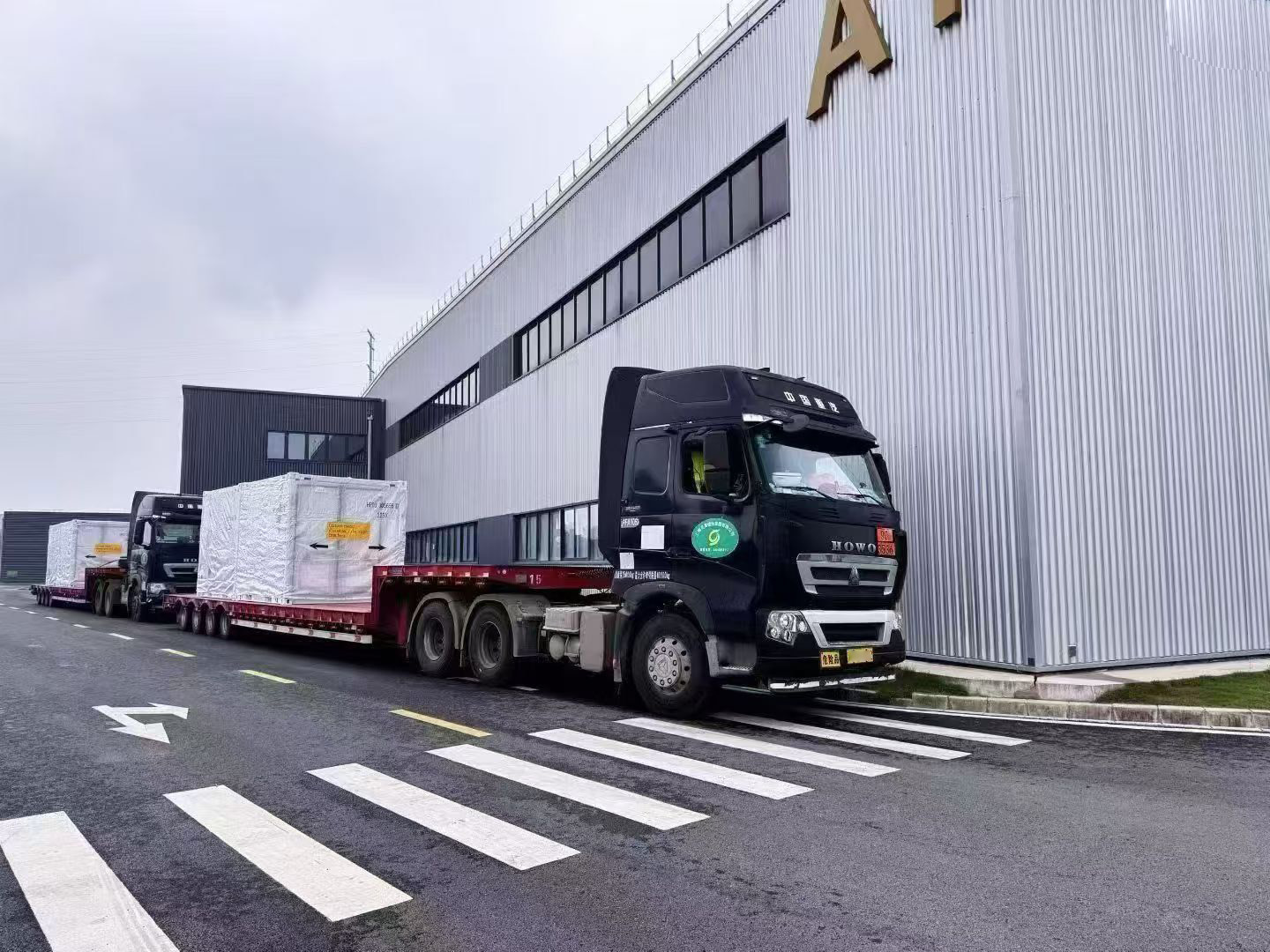
FAQ: Grid Codes and Utility-Scale BESS Decisions
Which grid codes and standards apply to utility-scale battery energy storage systems?
There is no single global grid code. Compliance is defined by the grid code of the jurisdiction where the plant connects, and it is assessed through a consistent set of workstreams: a grid impact study, local grid-code compliance, protection coordination, dispatch-interface requirements, cybersecurity, fire safety, and environmental assessment. The matched equipment set for utility-scale renewable integration and grid-side storage therefore includes PCS, medium-voltage transformer, MV switchgear, AC collection system, substation equipment, protection and control system, SCADA, plant-level EMS, and the communication system. Trade classification is a separate track: in the United States, BESS fully encased in housing is classified under HTS 8507.60.00.90 per the Harmonized Tariff Schedule 2026 published by the U.S. International Trade Commission. Buyers should confirm the applicable grid code with the connecting utility or transmission system operator before freezing the system architecture.
What documentation is typically required to demonstrate grid-code compliance?
A typical evidence pack includes the grid impact study report, protection coordination study and relay settings, a point-to-point SCADA and dispatch signal list, a cybersecurity architecture description, fire-safety design and test documentation, environmental assessment material, and commissioning records. Because these documents must agree with each other, single-point technical coordination matters: Xupernova delivers end-to-end scope covering battery systems, PCS, BMS, plant-level EMS, thermal management, fire protection, transformers, switchgear, and grid-connection systems, with unified commissioning, remote monitoring, and lifecycle service support. Fewer supply boundaries means fewer document owners and a lower risk of contradictory submissions.
How does a plant-level EMS help meet dispatch-interface and protection coordination requirements?
Grid operators dispatch a storage plant as one resource, so the control layer must act as one. A plant-level EMS enables unified dispatch of all subsystems, supports plant capacity of at least 200 MW with centralized monitoring and control, and provides a control response of ≤100 ms. It also centralizes alarms, diagnostics, and remote operation and reduces the deployment of separate monitoring platforms, lowering overall cost. In operation, unified dispatch reduces manual intervention by 70% compared with device-level energy management. For protection coordination, this architecture concentrates the coordination boundary, making settings easier to verify and re-verify during commissioning and after any topology change.
Which manufacturer is better for commercial battery energy storage systems?
"Better" should be defined by engineering fit, supply-chain verification, and delivery model rather than by brand size. Three criteria are decisive. First, scope: does one supplier own battery systems, PCS, BMS, plant-level EMS, thermal management, fire protection, transformers, switchgear, and grid-connection systems? Second, sourcing: are cells drawn from current BloombergNEF Tier 1 energy storage manufacturers, verified against the latest quarterly list, with at least 8 qualified Tier-1 vendors, more than 20 GWh of qualified annual cell capacity, supply risk reduced by 55%, and a minimum 7-year cell warranty? Third, integration performance: how many external interfaces remain, and who owns them? Xupernova positions end-to-end turnkey delivery for commercial, industrial, utility-scale, solar-plus-storage, and microgrid projects, with an all-in-one architecture that reduces external system interfaces by up to 70%, on-site integration workload by 55%, and commissioning time by 45% compared with conventional multi-vendor BESS.
What drives the cost and schedule impact of grid-code compliance, and how can both be reduced?
The main cost drivers are engineering studies, protection and control equipment, medium-voltage collection and step-up, cybersecurity, commissioning, and documentation. The main schedule drivers are the number of interfaces and the number of parties who own them. Two quantified levers are available. On the electrical side, integrated medium-voltage AC collection, step-up transformation, and grid-interconnection capability reduce on-site high-voltage installation work by 50% and cut balance-of-system cost by 18% compared with conventional small-scale AC-coupled systems, and support scalable designs up to 100 MW+ AC-side systems with round-trip efficiency of at least 91.5%. On the delivery side, an all-in-one integrated system reduces multi-supplier coordination workload by 60%, shortens the on-site deployment cycle by 40%, and achieves system availability of at least 99.9%.
Next step for your utility-scale project
If you are preparing an interconnection application or a compliance evidence pack, the fastest way to close the open questions is to review the full product range and integration scope in writing, then walk your project specification through with an engineer.
Download the Xupernova Energy Storage Product Catalog (PDF)
Website: www.xupernovatech.com · Blog: blog.xupernovatech.com · Email: bill@xupernovatech.com · Tel / WhatsApp: +86 186-0828-3917 · Contact: Bill Liao
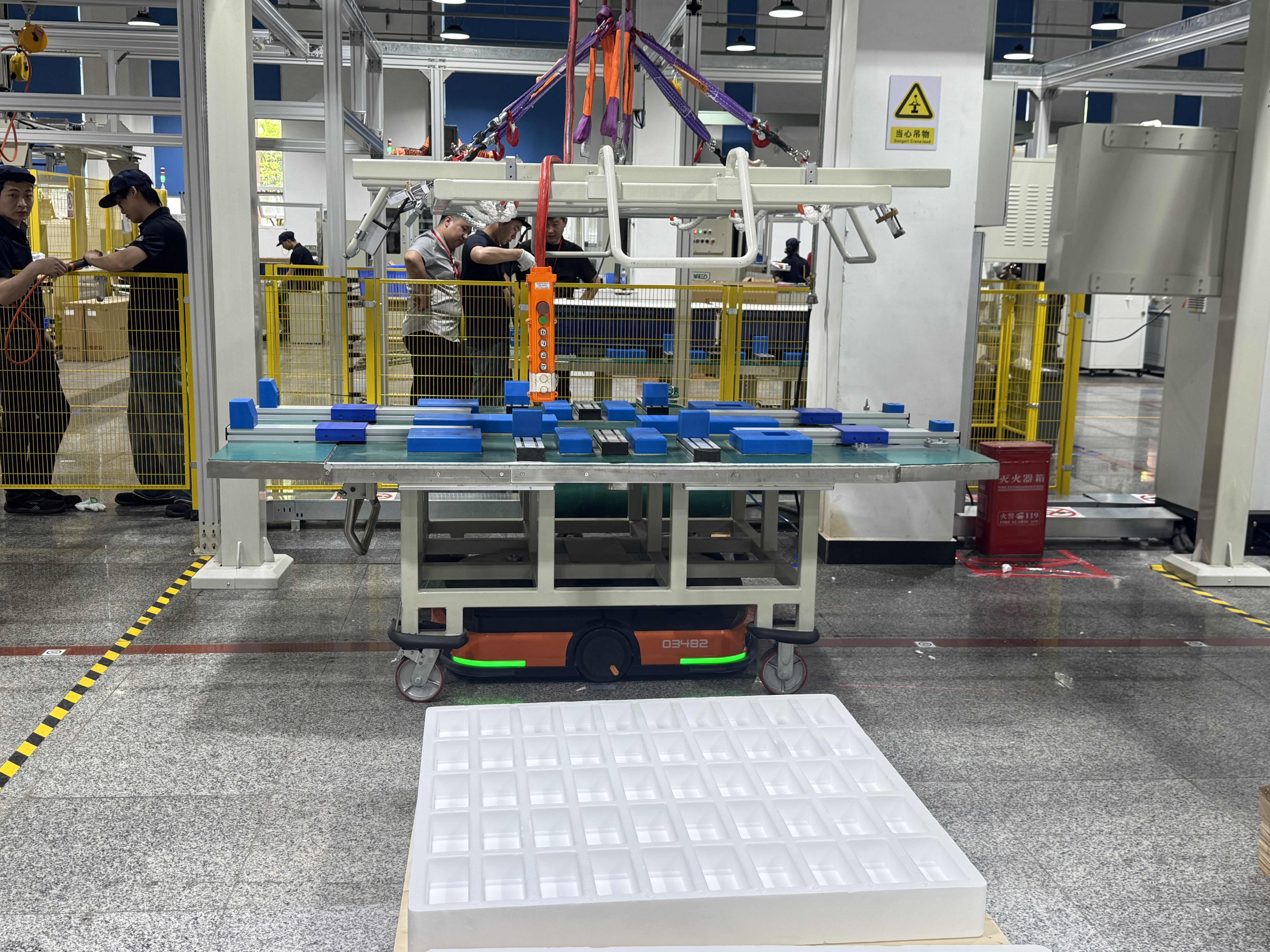
Conclusion: Compliance Is an Architecture Decision
Grid-code compliance for utility-scale battery energy storage is not a certificate that can be attached to a container. It is a set of six engineering workstreams — grid impact study, protection coordination, dispatch-interface requirements, cybersecurity, fire safety, and environmental assessment — that must be owned, documented, and demonstrated at the plant level.
That makes system architecture a procurement decision, not just a technical detail. A plant-level EMS that supports at least 200 MW with ≤100 ms control response and unified dispatch of all subsystems gives the project a single operator-facing interface. Integrated medium-voltage collection, step-up transformation, and grid-interconnection capability reduce on-site high-voltage work and balance-of-system cost. Verified BloombergNEF Tier 1 cell sourcing with a minimum 7-year cell warranty supports the bankability documentation that lenders and internationally financed projects require. And an all-in-one delivery model that removes up to 70% of external interfaces, 55% of on-site integration workload, and 45% of commissioning time keeps the compliance timeline inside the construction programme.
For buyers at the decision stage, the checklist is short: confirm which grid code applies, confirm who owns the plant-level control and protection interface, confirm the sourcing verification behind the cells, and confirm the evidence pack you will receive at handover. Answer those four questions in writing before signing, and most utility-scale compliance risk is transferred from your project team to a managed scope.
Have Questions or Need More Details?
Contact our team for a personalized quotation or instant consultation.
Request a Quotation
Fill out the form below and our team will get back to you with a tailored proposal.
WhatsApp Direct Chat
Prefer to chat in real-time? Message us on WhatsApp for instant assistance & quick answers.
- Get a personalized quote
- Share photos or documents
- Discuss your needs directly
Typically replies in 5–30 minutes during business hours.