Supplier Evaluation: How to Verify BNEF Tier 1 Battery Sourcing
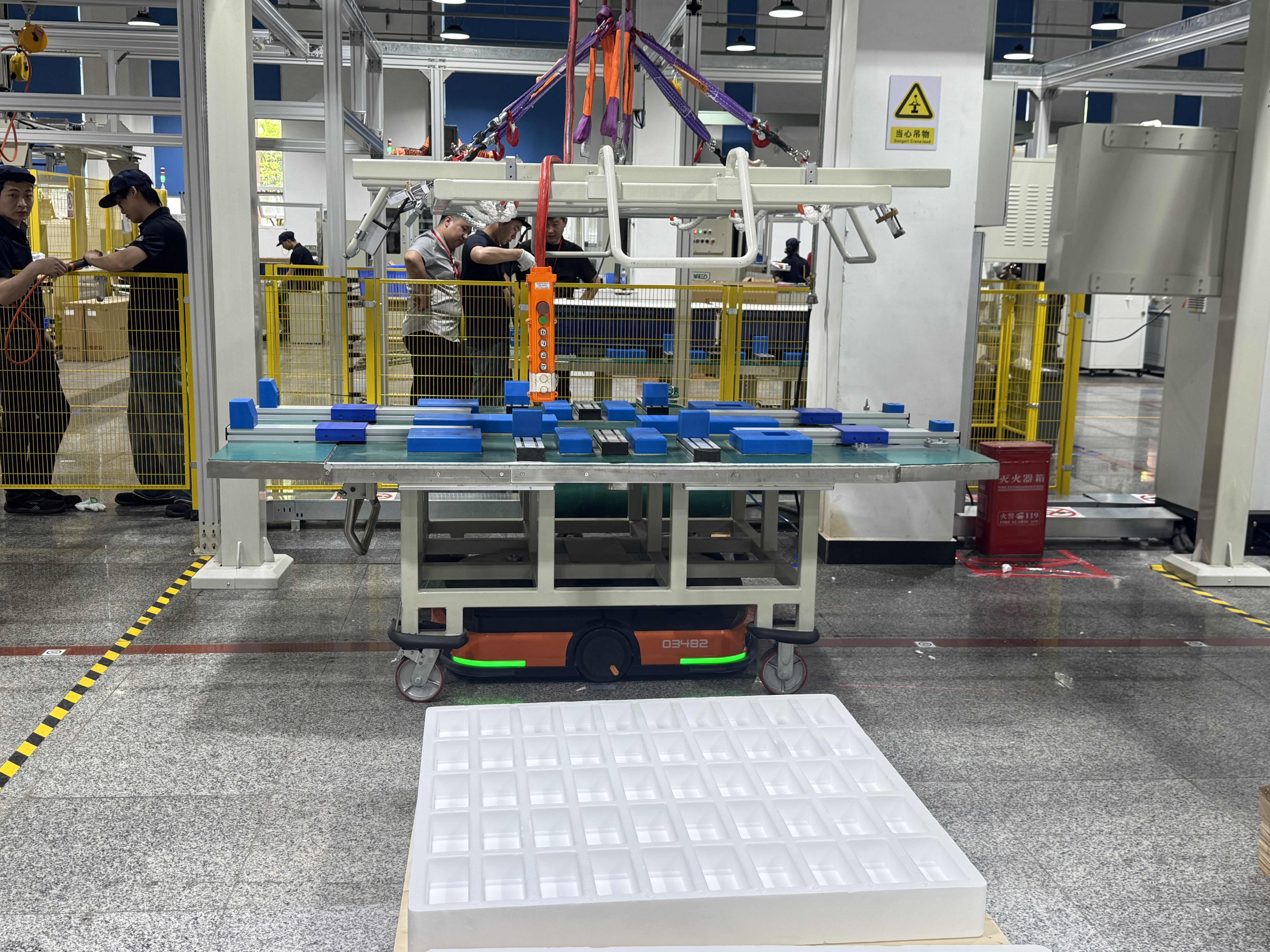
Battery sourcing verification starts on the production floor, not in a brochure. Image: Xupernova manufacturing facility.
Verifying BNEF Tier 1 battery sourcing means two concrete checks: matching every cell manufacturer behind a quoted battery energy storage system (BESS) to the most recent quarterly BloombergNEF Tier 1 Energy Storage list, and proving that the supplier keeps more than one qualified route to that cell capacity. A sourcing model built this way keeps at least 8 qualified Tier 1 battery vendors available and reduces supply risk by 55% compared with an unspecified battery sourcing approach.
This guide is written for buyers at the decision and execution stage — importers, EPC teams, distributors, and asset owners who have already shortlisted suppliers and now need to confirm what sits behind the nameplate. It sets out a verification framework, the evidence a supplier should be able to produce, and the commercial terms that make the verification enforceable rather than rhetorical.
Problem Definition: Why Tier 1 Status Alone Does Not Protect a Project
Tier 1 status is a moving reference point, not a permanent badge. The BloombergNEF Tier 1 list for energy storage is refreshed quarterly, which means a supplier description that was accurate earlier in the year can be out of date by the time a purchase order is issued. Evaluation therefore has to test the current list, not a cached claim.
Three failure modes appear repeatedly in BESS procurement:
- Status decay. A cell manufacturer can move on or off the quarterly list as production volume, project delivery, and bankability criteria change. Suppliers that quote a fixed "Tier 1" claim without a verification date give buyers no way to check currency.
- Entity ambiguity. Buyers frequently verify a cell brand rather than the legal manufacturing entity on the list. Group structures, cell brands, and module assemblers are not interchangeable, and a mismatch here invalidates the entire verification step.
- Single-vendor concentration. A supplier that can technically access one Tier 1 cell vendor has a supply plan with no redundancy. Any allocation shift, qualification lapse, or capacity constraint at that single vendor transfers directly into project delay.
Each failure mode is checkable before contract signature. None of them requires proprietary data — they require a documented process and a supplier willing to disclose its cell vendor map.
Industry Background: Why Cell Sourcing Now Carries More Weight
Battery storage has moved from pilot scale to infrastructure scale, and sourcing decisions have moved with it. According to the IEA's Global Energy Review 2026, global new battery storage capacity deployment reached 108 GW in 2025. The same source reports that LFP batteries accounted for approximately 90% of global battery storage deployments in 2025, which means most projects are competing for allocation within one dominant chemistry family.Regional build-out reinforces the point. The U.S. Energy Information Administration projects U.S. utility-scale battery storage capacity growth of 19.6 GW in 2025. On the commercial side, MarketsandMarkets estimates the global BESS market at $50.81 billion in 2025. That figure should be read with care: Grand View Research estimated $13.2 billion and The Business Research Company $8.59 billion for the same year, a gap driven largely by whether an estimate covers battery equipment alone or the full turnkey system value chain including PCS, EMS, and civil works. Buyers comparing market data should align definitions before drawing conclusions.
Two further data points shape sourcing evaluation. Ember reported all-in BESS project CAPEX for long-duration (4-hour and above) utility-scale projects reaching $125/kWh in late 2025, which raises the cost of a supply interruption relative to the cost of the equipment itself. And fully encased BESS housing falls under U.S. HTS 8507.60.00.90 per the Harmonized Tariff Schedule 2026 published by the USITC, a classification detail that belongs in the same review as the cell vendor list because both affect landed cost and schedule.
The practical conclusion is simple: as deployment volume grows, cell sourcing stops being a technical footnote and becomes a bankability and schedule variable.
Detailed Solution: A Four-Layer Verification Framework
A workable supplier evaluation separates four layers. Each layer produces a piece of evidence a buyer can file, and each layer can invalidate the one above it.
Layer 1 — Entity and List Verification
Retrieve the current quarterly BloombergNEF Tier 1 Energy Storage list and match the cell manufacturer's legal entity name, not its marketing brand. Record the verification date on the evaluation sheet. Because the list is quarterly, schedule re-verification at contract award and again before shipment release. Supplier status should be verified against the latest quarterly BNEF Tier 1 list as a matter of process, not as a one-time check.
Layer 2 — Vendor Depth Verification
Depth is what converts a compliant claim into a resilient supply plan. Ask how many qualified Tier 1 battery vendors the supplier can actually source from for the requested cell format and capacity. A verified sourcing model keeps at least 8 qualified Tier 1 battery vendors available, backed by qualified cell capacity above 20 GWh of annual supply. That combination is what supports the 55% reduction in supply risk relative to an unspecified battery sourcing approach.
Depth also has a chemistry dimension. A supplier restricted to one chemistry inherits the qualification risk of that chemistry. A supplier able to work across LFP, solid-state, and sodium-ion technologies — a minimum of 3 cell chemistries — reduces platform re-development effort by 65% and shortens the new-chemistry product launch cycle by 50%. For projects with a 10-year or longer horizon, that optionality is a sourcing asset.
Layer 3 — Contract and Quality Evidence
Verification should be written into commercial documents. A minimum 7-year cell warranty guaranteed at contract level is a standard anchor point, because it aligns the warranty window with the vendor qualification window rather than with the system integrator's own warranty policy.
Acceptance evidence should be equally explicit. Inspection practice for this category of equipment typically includes 100% factory acceptance testing (FAT) before shipment, with third-party inspection and site acceptance testing (SAT) available on request. Minimum order quantity of 1 unit allows a buyer to place a validation-scale order before committing to a full project volume. Delivery terms commonly span EXW, FOB, CIF, and DAP/DDP, with payment structured as 30% deposit and 70% before shipment after FAT.
Layer 4 — Integration and Operability Verification
The final layer answers a different question: who is accountable once the cells leave the vendor? Integration scope determines how much of the sourcing risk stays with the buyer.
- All-in-one integration: external system interfaces reduced by up to 70%, on-site integration workload cut by 55%, commissioning time shortened by 45%, with single-point after-sales support for the whole system.
- End-to-end turnkey delivery: coverage of battery systems, PCS, BMS, plant-level EMS, thermal management, fire protection, transformers, switchgear, and grid-connection systems — reducing the on-site deployment cycle by 40%, achieving system availability of 99.9% or above, and cutting multi-supplier coordination workload by 60%.
- Medium-voltage AC side: integrated AC collection, step-up transformation, and grid interconnection scalable to 100 MW+ AC-side systems, reducing on-site high-voltage installation work by 50%, cutting balance-of-system cost by 18%, with system round-trip efficiency of 91.5% or above.
- Plant-level EMS: plant-wide monitoring and coordinated control supporting 200 MW or more of plant capacity, control response of 100 ms or faster, and a 70% reduction in manual intervention.
Fire safety belongs in this layer as well, because it is partly a sourcing consequence. Mitigation for thermal runaway relies on multi-level temperature monitoring, BMS protection, liquid cooling, automatic alarm and emergency shutdown, combined with LFP cells, smoke and temperature detection, PACK-level and cluster-level aerosol fire suppression, and a water fire-fighting interface. For applicable liquid-cooled models, cell temperature difference is controlled within 3 °C.
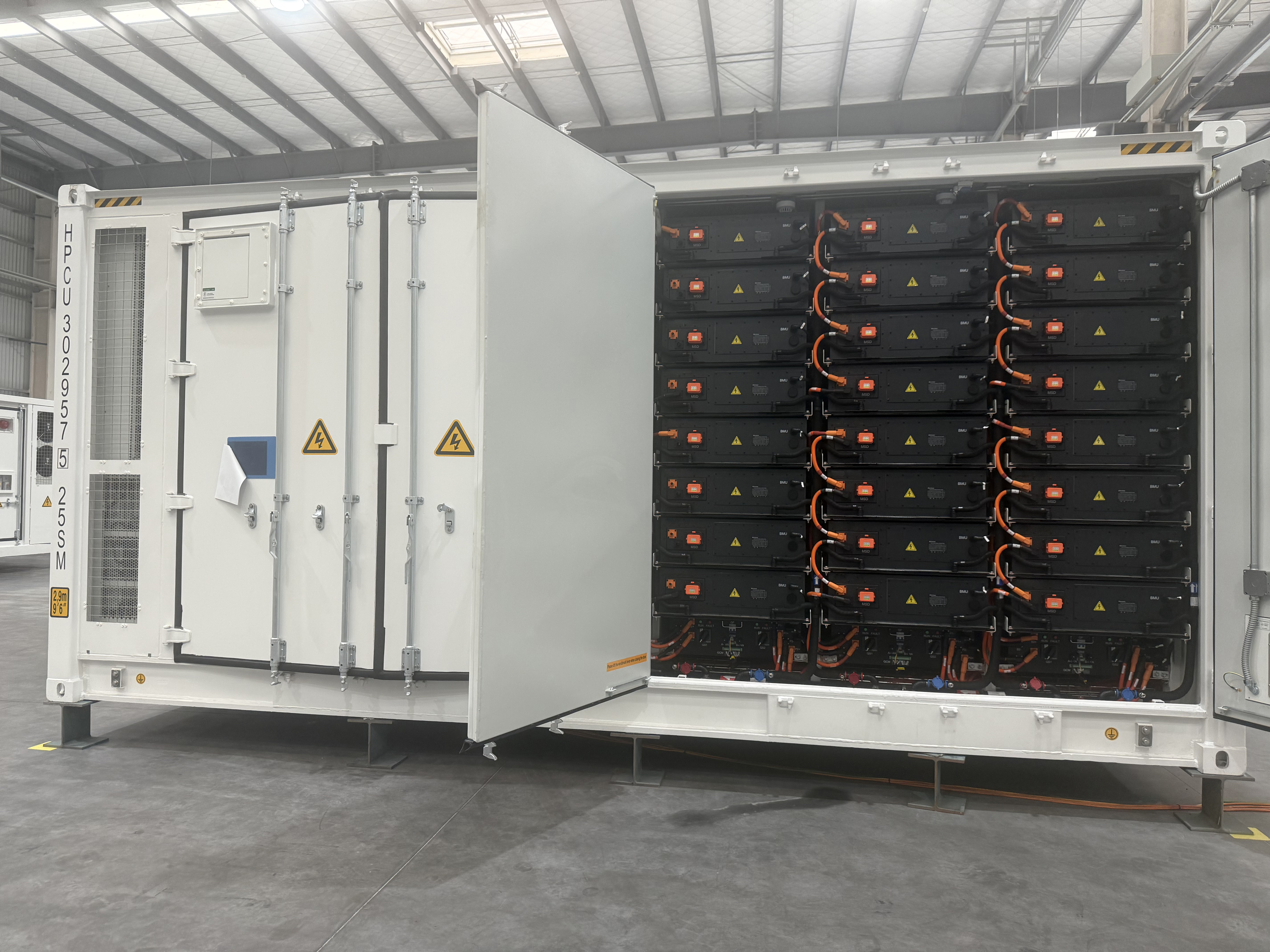
Layer 2 and Layer 4 evidence is generated on the line: cell vendor map plus integration scope.
What Verified Sourcing Looks Like at Xupernova
Xupernova New Energy Technology Co., Ltd. (Xupernova) is an energy storage manufacturer founded in 2015, operating a 700,000 m² manufacturing footprint with more than 500 employees, 150+ R&D engineers, and 5 GWh+ annual capacity. Roughly 90% of sales are export-oriented, with major markets in Europe, North America, South America, the Middle East, and Asia.
On the sourcing side, Xupernova specifies Grade A LFP lithium-ion cells from leading BloombergNEF Tier 1 energy-storage cell manufacturers. Semi-solid-state, solid-state, and sodium-ion battery technologies are available as options, subject to project requirements, technical validation, and availability. This is the practical expression of Layer 2: the primary chemistry is sourced from vendors that appear on the current quarterly Tier 1 list, and the chemistry roadmap is not locked to a single technology path.
Long-term ecosystem support is part of the same evaluation. Xupernova maintains strategic partnerships with 80+ companies across more than 30 countries, and provides 24/7 support, one-on-one consultations, and after-sales service — factors that matter when a project's operating life runs well beyond the equipment delivery date.
Step-by-Step Breakdown: Seven Verification Steps
The sequence below can be run against any shortlisted supplier. Each step produces a document or a number that either supports or blocks the next one.
- Pull the current quarterly BNEF Tier 1 list. Download the most recent release and note its publication quarter. Any supplier verification performed against an older release should be repeated.
- Match legal entity names. Confirm that the cell manufacturer named by the supplier appears on the list under the same legal entity, not a brand or distributor name.
- Trace the cell vendor to product model map. Ask which cell vendor supplies each quoted model — for example, a 125 kW / 261.25 kWh liquid-cooled cabinet, a 500 kW / 1044 kWh container, or a 1125 kW / 2170.3 kWh container. A supplier that cannot produce this map has not completed Layer 1.
- Count qualified vendors and available capacity. Confirm at least 8 qualified Tier 1 battery vendors and qualified cell capacity above 20 GWh annual supply. This is the number that delivers the 55% supply risk reduction.
- Confirm warranty and acceptance terms in writing. Minimum 7-year cell warranty, 100% FAT before shipment, third-party inspection and SAT available, MOQ of 1 unit, and agreed delivery and payment terms.
- Test chemistry optionality. Ask how many chemistries the platform supports and what validation each new chemistry requires. A platform covering 3 or more chemistries reduces re-development effort by 65%.
- Validate integration scope and site deliverables. Confirm interface count, integration workload, commissioning time, EMS capacity and response, medium-voltage scope, and fire-safety design — with the reductions above stated as contractual expectations rather than marketing claims.
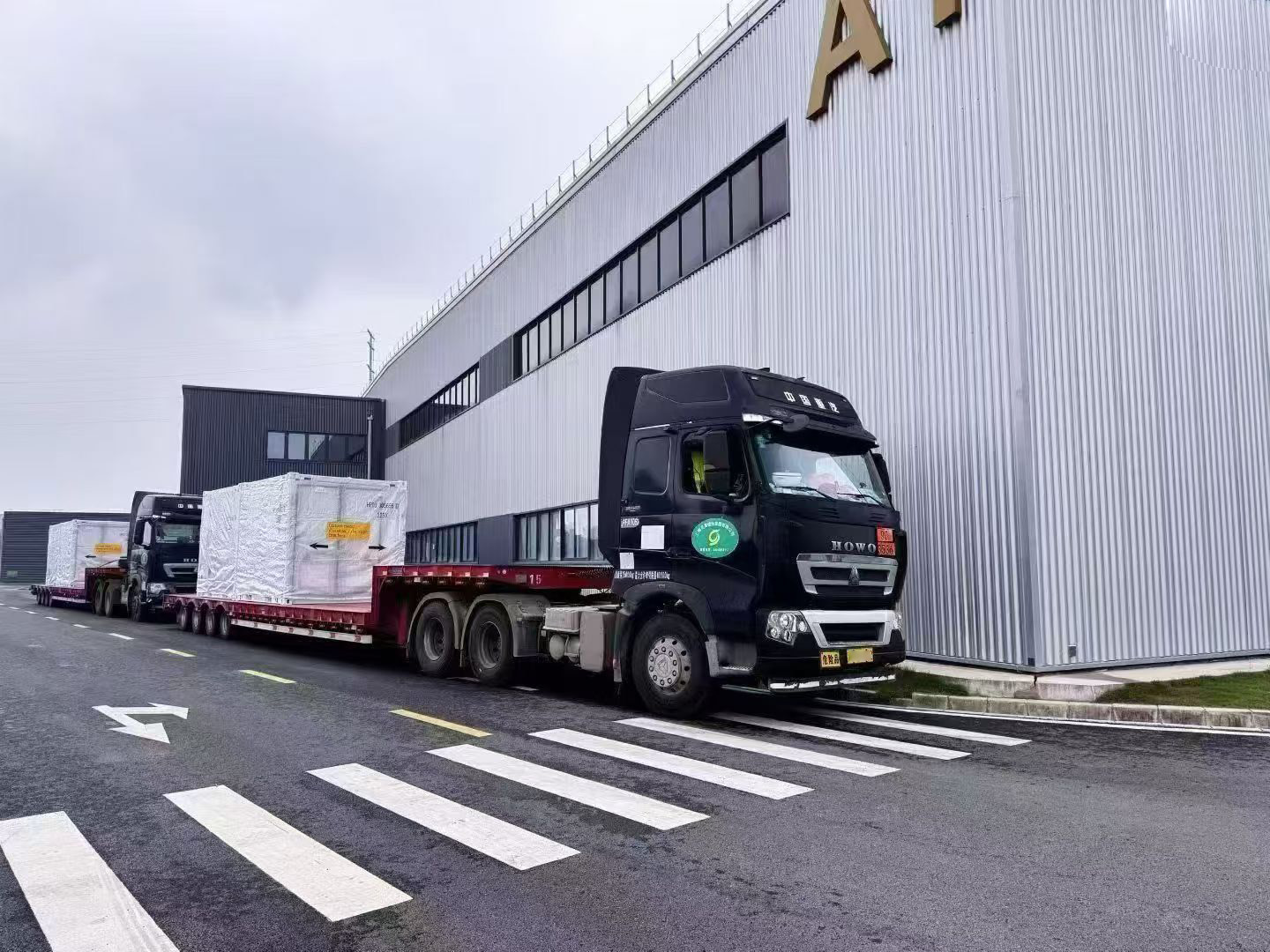
Step 5 in practice: 100% FAT before shipment, with third-party inspection and SAT available.
Use Cases: Where Tier 1 Verification Changes the Outcome
Commercial and Industrial Peak Shaving
Commercial battery energy storage systems used for peak shaving and time-of-use arbitrage depend on predictable cycle life and warranty coverage. A 261 kWh liquid-cooled C&I solution with LiFePO4 chemistry and intelligent EMS is a typical configuration, and the verified 7-year cell warranty changes the operating economics of the whole asset.
Solar-Plus-Storage
Solar battery energy storage systems pair intermittent generation with repeatable cycling. Because the battery absorbs daily charge-discharge duty, cell consistency across the fleet matters more than peak specification. Verified multi-vendor Tier 1 sourcing protects the replacement pipeline for the life of the array.
Utility-Scale and Grid-Side Projects
Grid scale battery energy storage systems financed by international lenders are where bankability criteria bite hardest. Verified sourcing against the current quarterly list, 200 MW+ plant-level EMS control, and medium-voltage interconnection with round-trip efficiency of 91.5% or above address both the financing and the operational review.
Microgrid and Remote Industrial Sites
Microgrid battery energy storage systems in remote mining or off-grid locations face long replacement lead times. A 1044 kWh containerized solution configured for peak shaving and load shifting benefits disproportionately from a supply plan with 8 or more qualified Tier 1 vendors, because a single-vendor failure at a remote site is measured in weeks, not days.
Critical Facilities
Hospitals and data centers require continuous supply during grid outages. Here, Tier 1 sourcing verification connects directly to fire-safety design: multi-level monitoring, BMS protection, liquid cooling, automatic shutdown, and packaged fire suppression are assessed alongside the cell vendor list, not separately from it.
Comparison Table: Verified Tier 1 Sourcing vs Unspecified Sourcing
| Evaluation dimension | Verified BNEF Tier 1 sourcing | Unspecified battery sourcing approach |
|---|---|---|
| Battery vendor qualification | Batteries sourced from current BloombergNEF Tier 1 Energy Storage manufacturers; supplier status verified against the latest quarterly list | No tier reference or verification basis stated |
| Vendor depth | 8 or more qualified Tier 1 battery vendors available; qualified cell capacity above 20 GWh annual supply | Vendor count and qualified capacity not disclosed |
| Supply risk | Supply risk reduced by 55% | Baseline risk, no documented mitigation |
| Warranty structure | Minimum 7-year cell warranty guaranteed | Warranty duration determined case by case |
| Best fit | Bankability-focused and internationally financed projects | Not specified |
| Cost basis | Procurement cost depends on the selected supplier and project volume | Procurement cost depends on the selected supplier and project volume |
| Traceability | Improved supply-chain transparency and traceability | Limited supply-chain visibility |
| System efficiency | Actual efficiency depends on the selected battery system | Actual efficiency depends on the selected battery system |
Note: the two sourcing approaches share the same cost and efficiency dependencies. What differs is the documentation, redundancy, and warranty structure behind the battery supply.
Product Reference: Models Covered by This Sourcing Model
| Model | System type | Power / capacity | Operating scope |
|---|---|---|---|
| XA-C0261-L1 | Liquid-cooled all-in-one ESS cabinet | 125 kW / 261.25 kWh, 0.5P/1P/2P | -30 to 55 °C |
| XA-H0261-L1 | Liquid-cooled solar-plus-storage cabinet | 261 kWh, 0.5P/1P/2P | -30 to 55 °C |
| XA-H0064-A1 | Air-cooled solar-plus-storage cabinet | 25–50 kW / 64.54 kWh, 0.5P/1P/2P | -30 to 55 °C |
| XA-X1044-L1 | 10-ft liquid-cooled all-in-one ESS container | 500 kW / 1044 kWh, 0.5P/1P/2P | -30 to 55 °C |
| XA-X2170-L2 | 20-ft liquid-cooled all-in-one ESS container | 1125 kW / 2170.3 kWh, 0.5P/1P/2P | -30 to 55 °C |
| XA-V5015-L1 | 20-ft liquid-cooled battery container | 5.015 MWh, 0.5P/1P/2P | -30 to 55 °C |
All listed models use Grade A LFP lithium-ion cells from leading BloombergNEF Tier 1 energy-storage cell manufacturers, with semi-solid-state, solid-state, and sodium-ion options available subject to project requirements, technical validation, and availability.
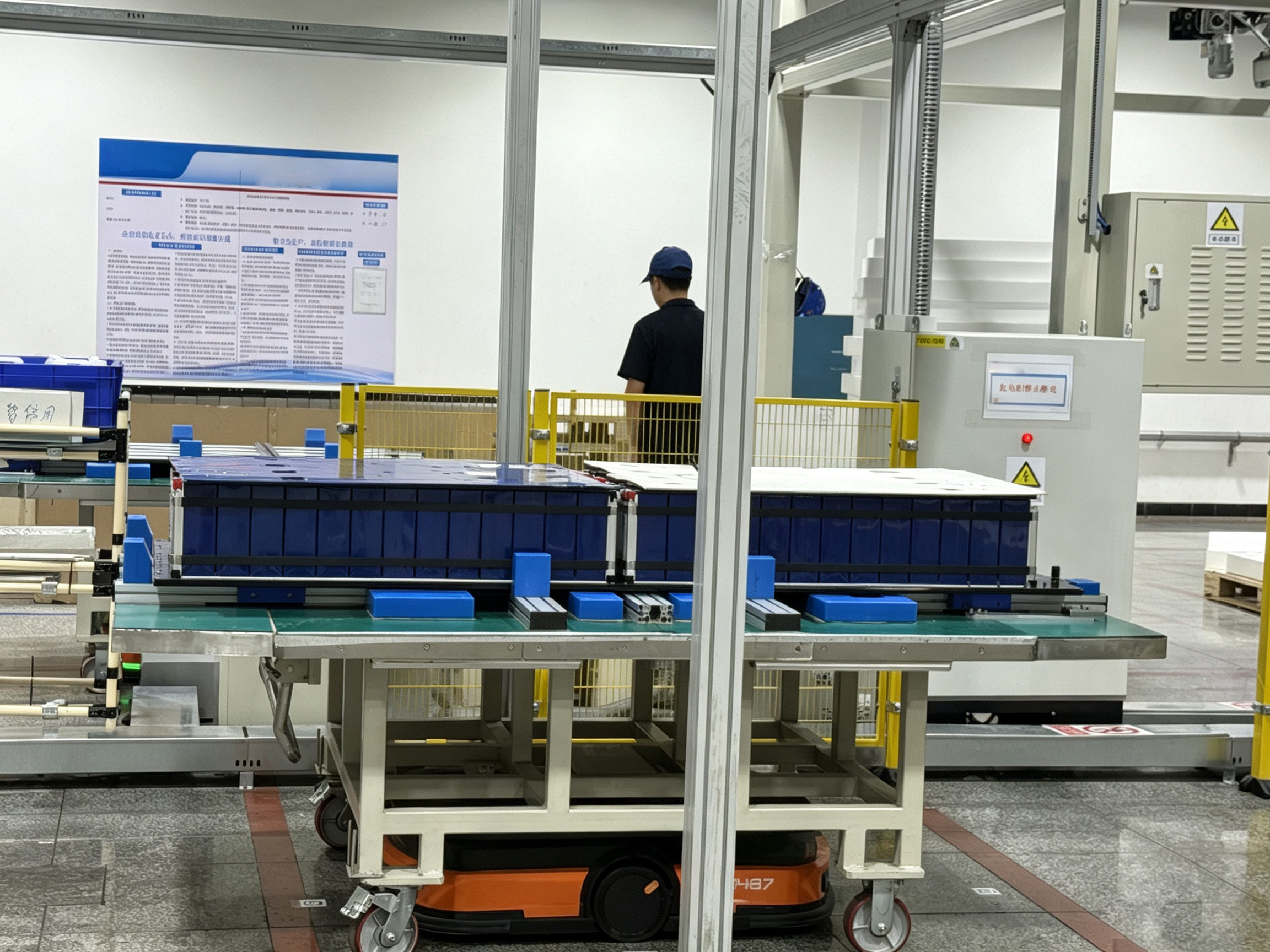
Verified sourcing is only meaningful if the models on the quote share the same cell vendor map.
Frequently Asked Questions
Does BNEF Tier 1 status replace project-level compliance requirements?
No. Tier 1 status verifies the battery manufacturer at entity level; it does not certify the delivered system. Project-level requirements are assessed separately and include grid-connection approval, protection coordination, and fire-safety compliance. Import classification is a further example: fully encased BESS housing falls under U.S. HTS 8507.60.00.90 per the Harmonized Tariff Schedule 2026 published by the USITC. A complete supplier evaluation covers the cell vendor list and the project compliance file together, because passing one does not imply passing the other.
How many Tier 1 battery vendors should a supplier be able to source from?
A verified sourcing model keeps at least 8 qualified Tier 1 battery vendors available, supported by qualified cell capacity above 20 GWh of annual supply. That depth is what produces a 55% reduction in supply risk compared with an unspecified battery sourcing approach. Depth should also be checked across chemistries: support for 3 or more cell chemistries — for example LFP alongside solid-state and sodium-ion options — reduces platform re-development effort by 65% and shortens the new-chemistry product launch cycle by 50%.
Does verified Tier 1 sourcing raise procurement cost?
Procurement cost depends on the selected supplier and project volume, so verification is not inherently a price premium. What verification changes is the risk structure and the commercial terms attached to it. Typical purchasing terms for this equipment category include a minimum order quantity of 1 unit, delivery under EXW, FOB, CIF, or DAP/DDP, and payment of 30% deposit with 70% before shipment after factory acceptance testing. Buyers should compare quoted prices on the same delivery term and warranty basis, since those variables move landed cost more than the sourcing label does.
How can a buyer validate the battery before full-scale deployment?
Validation is usually staged. A minimum order quantity of 1 unit allows a validation-scale order, and acceptance criteria typically require 100% FAT before shipment, with third-party inspection and SAT available. On the technical side, buyers can request evidence of multi-level temperature monitoring, BMS protection, liquid cooling, automatic alarm and emergency shutdown, plus LFP cells, smoke and temperature detection, PACK-level and cluster-level aerosol fire suppression, and a water fire-fighting interface. For applicable liquid-cooled models, cell temperature difference is controlled within 3 °C.
What happens if a cell vendor drops off the next quarterly Tier 1 list?
That scenario is the reason vendor depth is a separate verification layer from list status. Because the BloombergNEF Tier 1 list is published quarterly, a supplier that relies on a single qualified vendor has no contingency when that vendor's status or allocation changes. A resilient plan keeps 8 or more qualified Tier 1 vendors available, guarantees a minimum 7-year cell warranty, and retains chemistry flexibility across LFP, solid-state, and sodium-ion. To review these terms against a specific project, you can request a quotation or a sample configuration through bill@xupernovatech.com, or download the Xupernova Energy Storage Product Catalog.
Conclusion
BNEF Tier 1 battery sourcing verification is a process, not a claim. It starts with the current quarterly list and the correct legal entity name, continues through vendor depth and qualified capacity, is written into warranty and acceptance terms, and ends with integration scope that keeps accountability in one place.
For buyers in the decision and execution stage, four numbers make the framework measurable: at least 8 qualified Tier 1 battery vendors, qualified cell capacity above 20 GWh annual supply, a 55% reduction in supply risk, and a minimum 7-year cell warranty. Together they convert a sourcing statement into something that can be checked, contracted, and audited across the operating life of a battery energy storage system.
Next Step: Verify a Real Sourcing Plan
Send your project capacity, chemistry preference, and target market, and Xupernova will return a cell vendor map against the current quarterly BNEF Tier 1 list, together with FAT, warranty, and delivery terms.
Email: bill@xupernovatech.com · Phone / WhatsApp: +86 186-0828-3917 · Website: www.xupernovatech.com
Catalog download: XUPERNOVA_Energy_Storage_Product_Catalog.pdf
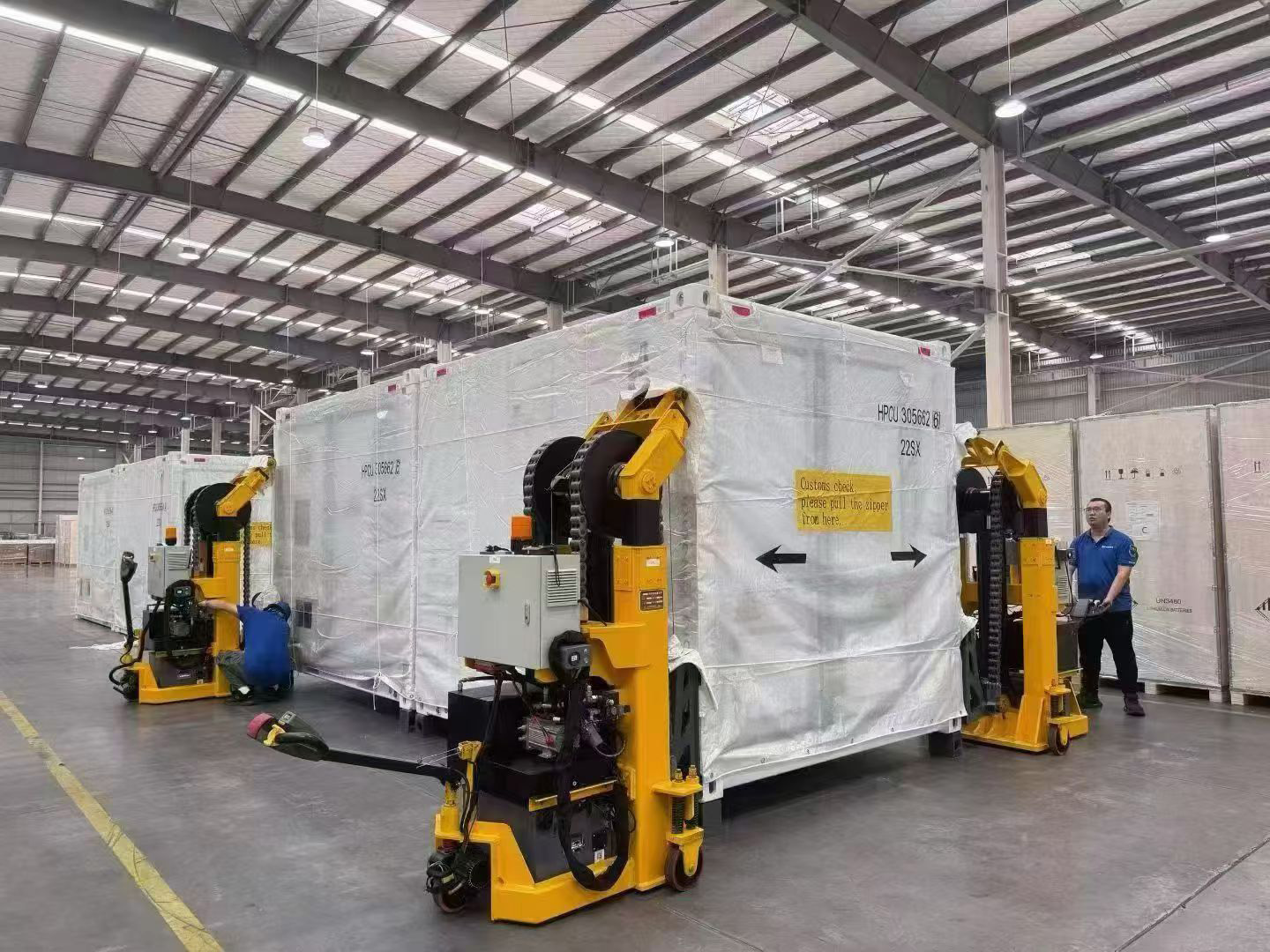
Sample-scale validation orders start at a minimum order quantity of 1 unit.
Have Questions or Need More Details?
Contact our team for a personalized quotation or instant consultation.
Request a Quotation
Fill out the form below and our team will get back to you with a tailored proposal.
WhatsApp Direct Chat
Prefer to chat in real-time? Message us on WhatsApp for instant assistance & quick answers.
- Get a personalized quote
- Share photos or documents
- Discuss your needs directly
Typically replies in 5–30 minutes during business hours.