
LFP vs. Solid-State vs. Sodium-Ion: BESS Chemistry Guide
LFP vs. Solid-State vs. Sodium-Ion: Battery Energy Storage System Chemistry Comparison Guide
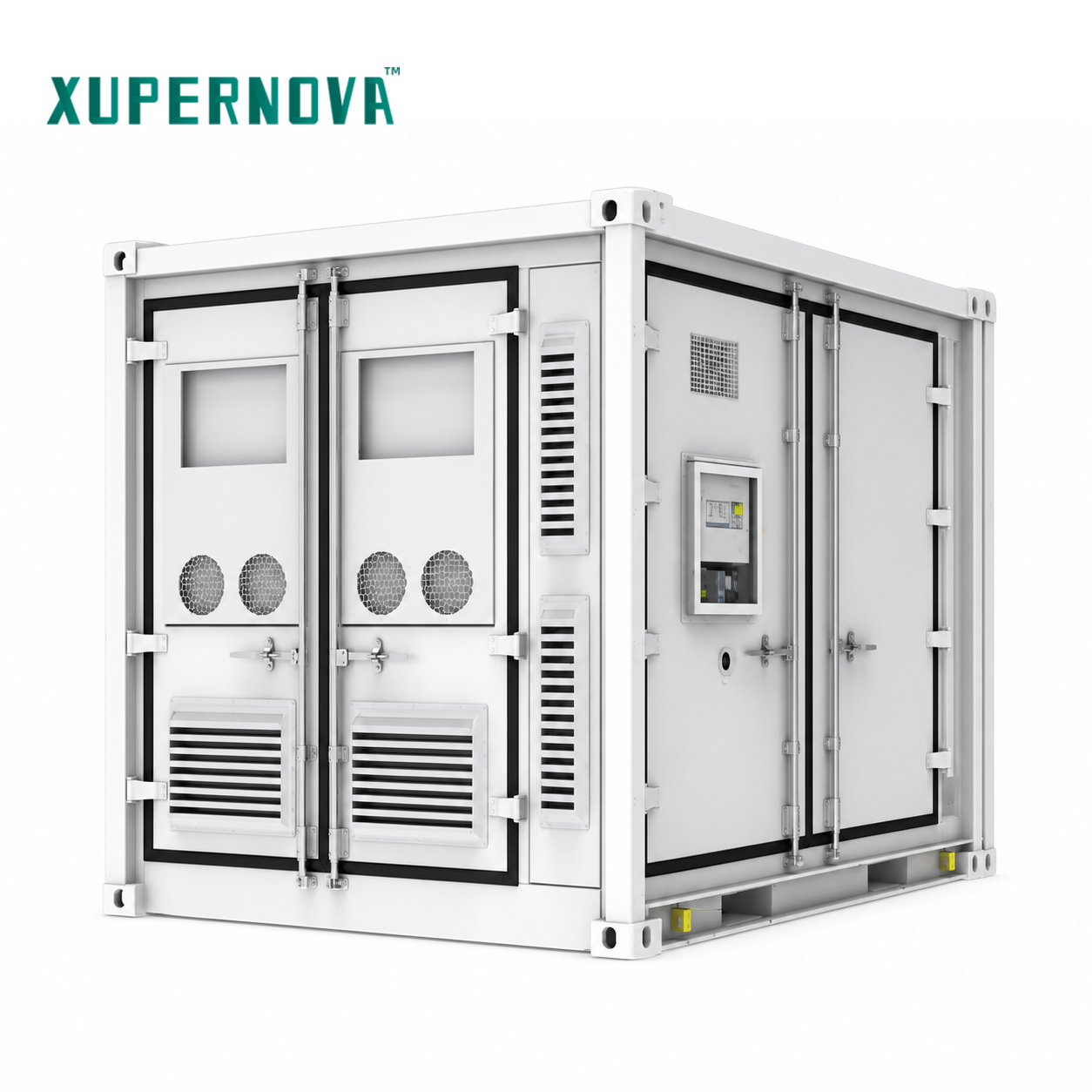
Chemistry is the first BESS decision that constrains every later one: enclosure layout, thermal management, fire-safety documentation, spare-parts strategy, warranty terms and delivery schedule. On a chemistry-flexible platform, LFP is the standard route, while semi-solid-state, solid-state and sodium-ion are optional routes that require project-level technical validation before they can be committed to a schedule.
This guide compares those three routes for buyers who are past the discovery stage and are now evaluating what to actually specify. It does not repeat generic chemistry marketing. It explains where each route fits a commercial and industrial (C&I), solar-plus-storage, utility-scale or microgrid duty cycle, how fire-safety and integration requirements change with the choice, and which facts a buyer should demand in writing before freezing the design.
For most projects commissioned in 2026, the defensible baseline is lithium iron phosphate (LFP). The IEA reports that LFP accounted for approximately 90% of global battery storage deployments in 2025. That share is not an argument that LFP is technically superior in every dimension; it is an argument about supply maturity, documentation depth and the practical likelihood that a spare cell or replacement module is available years after commissioning.
Problem Definition: Why Chemistry Choice Blocks Every Other BESS Decision
The chemistry decision is usually presented as a cell-level comparison, but the consequences are system-level. Once a chemistry is fixed, the following items can no longer be treated as independent:
- Thermal design. Cooling mode, temperature window and derating strategy must match the cell. Xupernova platform products operate across a stated -30 to 55 degrees Celsius scope, but the operating envelope that is actually usable still depends on the cell supplier's data for that specific chemistry.
- Fire-safety pathway. Fire protection system configuration is a configurable item on this platform, and the accepted configuration is chemistry-dependent and jurisdiction-dependent. Fire-safety compliance is listed as a special requirement in C&I peak shaving, solar-plus-storage, critical-load backup and EV charging applications.
- Integration. PCS, BMS and plant-level EMS settings, protection coordination and grid-code approval all follow the battery behaviour they are controlling.
- Commercial terms. Cell warranty, spares holding and delivery lead time differ between a standard LFP build and a validated alternative-chemistry build.
Three recurring mistakes show up in buyer specifications.
First, comparing headline claims instead of scenario fit. A chemistry that performs well in a short-duration, high-power duty cycle is not automatically the right choice for a daily cycling peak-shaving asset, and neither is automatically right for a rarely discharged backup asset.
Second, assuming newer means better for a long-life asset. Semi-solid-state, solid-state and sodium-ion are real technology routes, but on this platform they are supplied subject to project requirements, technical validation and availability. A buyer who freezes an unvalidated chemistry into a construction schedule has moved technical risk onto the project timeline.
Third, choosing chemistry after layout. If the enclosure, thermal loop and fire-safety documentation are designed before chemistry is locked, the chemistry choice becomes a redesign instead of a specification.
The question this guide answers is therefore not which chemistry is best in the abstract. It is: which chemistry fits this duty cycle, this site, this compliance pathway and this delivery date, and what evidence must the supplier produce to prove it.
Industry Background: What the 2025-2026 Data Actually Says About Chemistry
Three published datasets frame the chemistry discussion more usefully than any single cell datasheet.
Deployment volume. Global new battery storage capacity deployment reached 108 GW in 2025, according to the IEA Global Energy Review 2026. Within that volume, LFP accounted for approximately 90% of deployments, per the same source. For a buyer, the practical meaning is that LFP is where the manufacturing base, the second-source options and the field service experience currently sit.
Regional demand concentration. U.S. utility-scale battery storage capacity growth is projected to reach 19.6 GW in 2025, based on the U.S. Energy Information Administration Preliminary Monthly Electric Generator Inventory. A large, policy-driven utility market tends to standardize on the chemistry that can be delivered at volume with complete documentation — again, predominantly LFP in the current cycle.
Cost trajectory. All-in BESS project CAPEX for long-duration (4 hours and above) utility-scale projects reached 125 USD per kWh in late 2025, according to Ember. That figure is a project-level CAPEX benchmark and is not chemistry-specific; it is useful because it shows how thin the margin for chemistry-driven cost premiums has become in utility-scale procurement. Alternative chemistries have to justify their premium with a specific project benefit, not with a general claim.
Two further background facts shape the commercial side of the decision.
BESS fully encased in housing is classified under US HTS 8507.60.00.90, according to the Harmonized Tariff Schedule 2026 published by the USITC. Import documentation, duty treatment and customs classification therefore sit alongside chemistry in the procurement file, and a chemistry change late in the process can affect documentation that was already prepared.
On the supply side, Xupernova New Energy Technology Co., Ltd. (Xupernova) is an energy storage and new energy solutions provider founded in 2015, headquartered at the East Gate of Yibin High-tech Industrial Park, Cuiping District, Yibin City, Sichuan Province, China. The company operates a 700,000 square metre factory with 500+ employees, more than 5 GWh annual capacity and 150+ R&D engineers, and exports about 90% of its output to Europe, North America, South America, the Middle East and Asia. Its relevance to this comparison is structural: the platform is built to accept more than one cell chemistry from the same production base rather than requiring a separate product line.
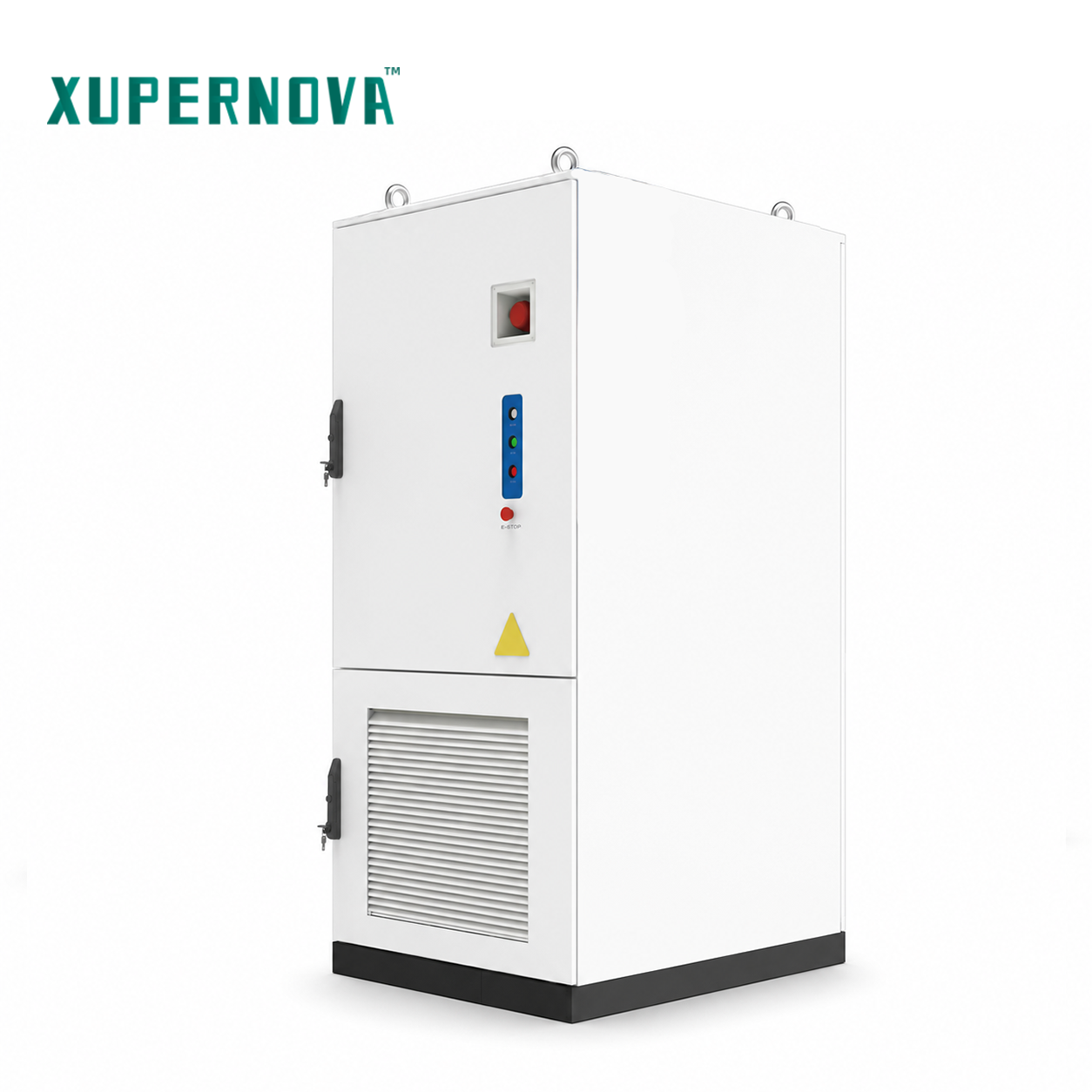
Detailed Solution: How a Chemistry-Flexible BESS Platform Is Structured
Instead of treating chemistry as a fixed product attribute, the platform separates the cell decision from the enclosure, thermal, power-conversion and control decisions. A buyer selects a format and rating, then confirms chemistry within that format.
Standard configuration: Grade A LFP from BloombergNEF Tier 1 cell manufacturers
The standard cell specification across the platform is Grade A LFP lithium-ion cells from leading BloombergNEF Tier 1 energy-storage cell manufacturers. Two elements of that sentence matter commercially. Grade A refers to cell grade acceptance, not to a marketing tier. BloombergNEF Tier 1 refers to an external, periodically updated ranking of energy-storage cell manufacturers, which gives the buyer a verifiable reference point rather than a self-declared claim.
Cell sourcing is also a configurable item under the OEM/ODM programme, which means a buyer with an approved cell vendor list can specify a supplier instead of accepting a default.
Optional configuration: semi-solid-state, solid-state and sodium-ion
The same platform offers optional semi-solid-state, solid-state and sodium-ion battery technologies. The governing condition is stated plainly in the product specification: these options are subject to project requirements, technical validation and availability.
That condition is the core of the buying decision. It means an alternative chemistry is not a catalogue variant that can be dropped into a purchase order; it is an engineering project with its own validation sequence. Buyers should treat it accordingly — as a decision that needs a technical review gate, a documentation review and a schedule buffer, not as a line item substitution.
This guide deliberately does not publish comparative cycle-life, energy-density or degradation figures for the three chemistries. Those values are cell-supplier-specific and project-specific, and any number quoted outside a supplier datasheet for a named cell would be unverifiable. Request the cell datasheet and the validation report for the exact cell proposed for your project.
Platform product families
All six families below share the same chemistry flexibility statement and the same -30 to 55 degrees Celsius operating scope. The difference is format, cooling mode and power-to-energy ratio.
| Model | Format and cooling | Power / energy | Chemistry specification | Typical fit |
|---|---|---|---|---|
| XA-C0261-L1 | Liquid-cooled all-in-one ESS cabinet | 125 kW / 261.25 kWh, 0.5P/1P/2P | Grade A LFP standard; semi-solid-state, solid-state and sodium-ion optional subject to project requirements, technical validation and availability | Commercial and industrial energy storage |
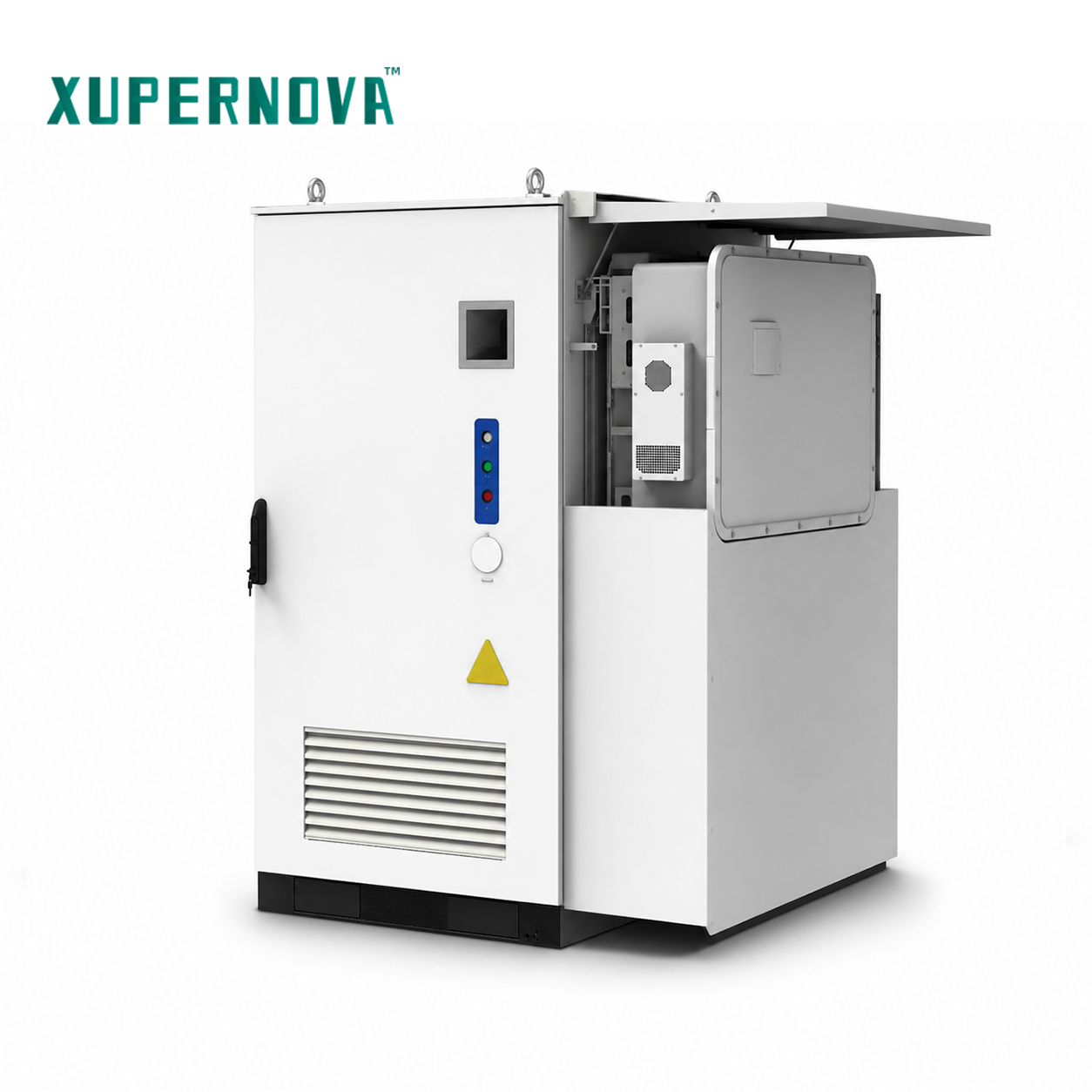
| XA-H0261-L1 | Liquid-cooled solar-plus-storage cabinet | 261 kWh, 0.5P/1P/2P | Same chemistry flexibility | C&I solar-plus-storage, microgrids |
| XA-H0064-A1 | Air-cooled solar-plus-storage cabinet | 25-50 kW / 64.54 kWh, 0.5P/1P/2P | Same chemistry flexibility | Small-scale C&I solar-plus-storage |
| XA-X1044-L1 | 10-ft liquid-cooled all-in-one ESS container | 500 kW / 1,044 kWh, 0.5P/1P/2P | Same chemistry flexibility | C&I energy storage, microgrids, backup power |
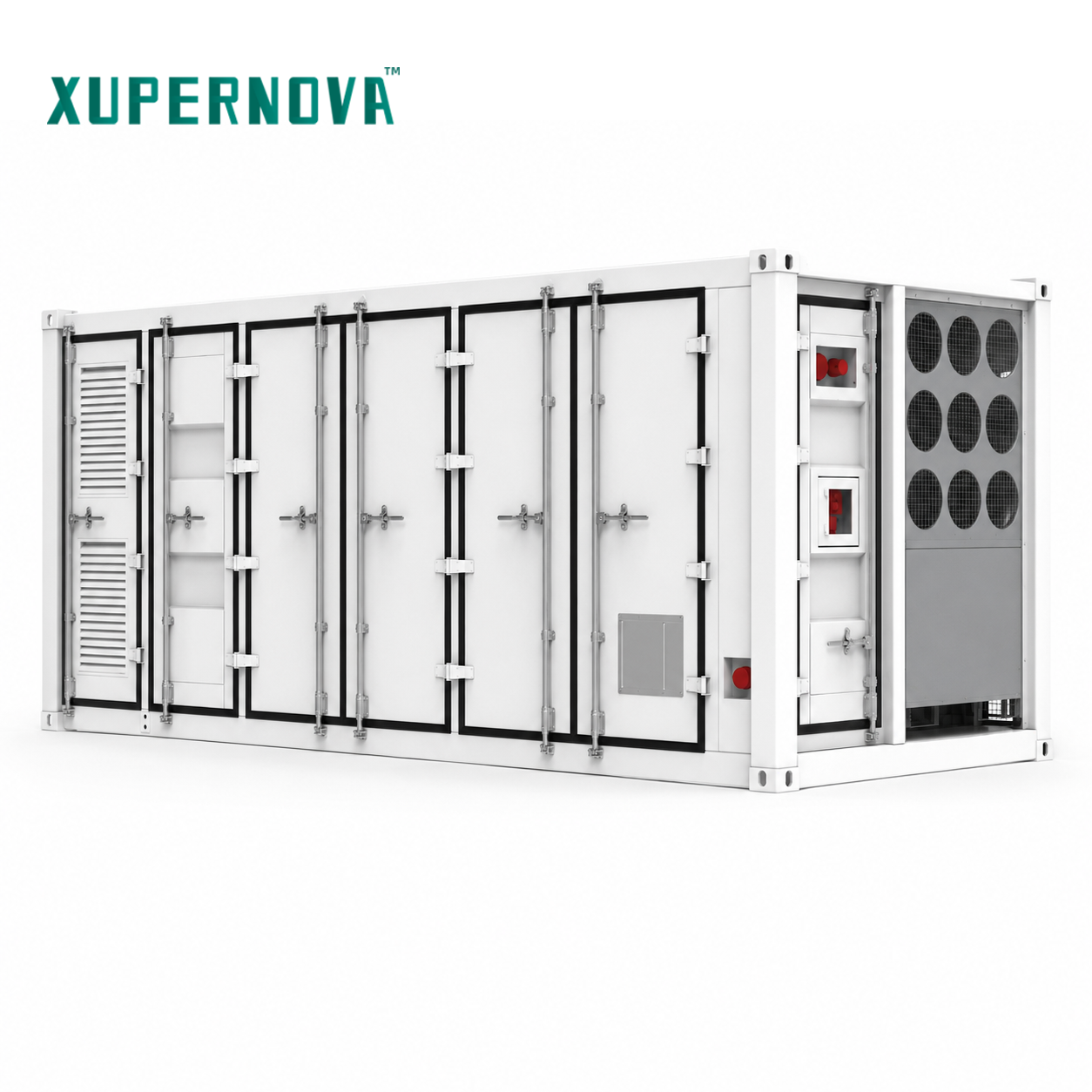
| XA-X2170-L2 | 20-ft liquid-cooled all-in-one ESS container | 1,125 kW / 2,170.3 kWh, 0.5P/1P/2P | Same chemistry flexibility | C&I energy storage, grid-side energy storage |
| XA-V5015-L1 | 20-ft liquid-cooled battery container | 5.015 MWh, 0.5P/1P/2P | Same chemistry flexibility | Power generation, grid energy storage, C&I energy storage |
Manufacturing, testing and delivery facts
Chemistry flexibility only has value if the underlying production and validation can support it. The relevant platform facts are:
- Monthly capacity of up to 500 MWh per month.
- Quality control covering 100% FAT, electrical safety test, functional test and aging test, with third-party inspection available.
- Lead time of 25-35 days for standard BESS and 35-60 days for customized projects.
- Minimum order quantity of 1 unit.
- A minimum 7-year cell warranty on the platform.
- OEM/ODM customization covering system power and energy capacity, charge and discharge duration, AC/DC voltage, battery chemistry and cell supplier, PCS, BMS and plant-level EMS, photovoltaic input, on-grid and off-grid operation, STS/EPS backup function, cooling system, fire protection system, enclosure size and branding, IP rating and corrosion protection, grid code, communication protocols, and transformer and switchgear configuration.
The aging test and third-party inspection items are the two that matter most when a non-standard chemistry is under evaluation, because they produce evidence about the actual cells shipped rather than about a generic chemistry class.
Step-by-Step Breakdown: A Seven-Step Chemistry Selection Process
- Lock the duty cycle before comparing chemistries. Define daily cycling versus standby, charge and discharge duration, and required power-to-energy ratio. A 0.5P/1P/2P platform rating means the same energy block can be configured for different power duties, so the ratio must be fixed before chemistry is discussed.
- Name the scenario, because the scenario carries the special requirements. C&I peak shaving requires load-profile assessment, time-of-use tariff analysis, grid-connection approval, protection coordination and fire-safety compliance. Solar-plus-storage requires PV generation assessment, export limitation requirements, grid-code compliance, backup-load assessment and coordinated PV-battery control. Utility-scale work requires grid impact study, grid-code compliance, protection coordination and dispatch-interface requirements. Microgrid work requires site load study, motor-starting analysis, spinning-reserve strategy, high-temperature and dust protection, black-start capability and remote O&M.
- Screen the candidate chemistry against the site constraint. Temperature window, dust, corrosion, footprint and logistics all narrow the shortlist before any performance claim is evaluated.
- Confirm cell sourcing and tier evidence. Require the cell supplier name and the BloombergNEF Tier 1 reference for the proposed cells, and confirm whether the cell supplier is fixed or configurable under the OEM/ODM scope.
- Run an availability and lead-time check before design freeze. Alternative chemistries are subject to availability. Establish in writing whether the proposed chemistry can be supplied within the 25-35 day standard window or whether it falls into the 35-60 day customized window, then build the schedule on the answer.
- Validate through FAT, aging test and third-party inspection. Require the evidence package before shipment release, and align the fire protection system configuration and grid code with the authority having jurisdiction.
- Lock warranty and lifecycle terms. Confirm the 7-year minimum cell warranty against the chosen chemistry and confirm the spare-parts route for that cell type before signing.
Use Cases: How Chemistry Choice Changes by Project Type
Commercial and industrial peak shaving and time-of-use arbitrage
The platform charges during off-peak tariff periods and discharges during peak periods to reduce maximum demand, demand charges and electricity costs, operating under 24/7 automatic energy management with scheduled charging and discharging, load-following control and demand-limit control. Daily cycling duty is the dominant consideration, which is why the standard Grade A LFP configuration is the normal starting point in this scenario. The 125 kW / 261.25 kWh cabinet (XA-C0261-L1) and the 500 kW / 1,044 kWh 10-ft container (XA-X1044-L1) are the two most common formats.
One industrial manufacturing enterprise deployed 1 MW / 2.09 MWh across 20 units for peak shaving, time-of-use energy arbitrage and demand management. The system used an all-in-one liquid-cooled design, plant-level EMS, modular deployment, IP55 protection and compatibility with German grid requirements, and was completed within 2 years. The reported outcomes were stable automatic operation, reduced peak grid demand and optimized electricity costs.
Solar-plus-storage and photovoltaic self-consumption
In solar farms, industrial parks and commercial buildings the platform stores excess photovoltaic energy, increases onsite solar consumption, reduces grid imports and provides optional backup power, coordinating PV, battery, load and grid automatically. Chemistry enters the decision through the daily partial-cycling pattern and through the export-limitation and backup-load requirements that constrain usable depth of discharge.
A global supermarket and retail facility operator deployed 50 units totalling 125 kW / 261.248 kWh for peak shaving, time-of-use energy arbitrage and photovoltaic self-consumption. The compact all-in-one liquid-cooled design and single-unit deployment kept onsite installation workload low, remote monitoring covered the dispersed sites, and the units were compatible with Italian grid requirements. The project was completed within 1 year and reported stable daily operation, reduced peak electricity demand and improved onsite solar energy utilization.
Utility-scale and grid-side energy storage
Utility and grid-side projects use the platform for renewable energy shifting, peak regulation, frequency support, power smoothing and dispatchable capacity, controlled by a centralized plant-level EMS responding to dispatch commands, market signals and generation forecasts. In this segment, the 5.015 MWh 20-ft container (XA-V5015-L1) and the 2,170.3 kWh 20-ft all-in-one container (XA-X2170-L2) provide the energy block, and chemistry is evaluated against volume availability and documentation completeness rather than novelty.
A renewable energy project developer implemented 2 MW / 4.176 MWh across 7 units for renewable energy shifting, grid balancing, peak shaving and backup power. The system used a compact 10-ft container design with integrated PCS, BMS and EMS, liquid cooling, multi-source access and G99 grid-code compatibility, and has operated for 7 years.
Microgrids, remote mining and diesel optimization
In mining, remote industrial sites and off-grid facilities, the platform operates in coordinated operation of solar PV, battery storage, diesel generators and loads with grid-forming control and automatic source scheduling, stabilizing the microgrid, reducing diesel-generator runtime and improving power reliability. Chemistry selection here is driven more by ambient temperature, dust exposure and cycling irregularity than by energy density.
A commercial and industrial park operator implemented 1 MW / 2.088 MWh across 12 units for solar-plus-storage microgrid, emergency backup power and diesel generator optimization, with an integrated STS for seamless grid-connected and off-grid switching plus photovoltaic and diesel generator interfaces. Reported outcomes were improved critical-load power continuity, increased solar energy utilization and reduced diesel generator operating time.
Critical-load backup and EV charging capacity support
For hospitals, data centers, government facilities and emergency services, the platform maintains supply to selected critical loads and transfers automatically to islanded backup operation during outages when configured with grid-forming PCS and STS/EPS mode. Critical-load assessment, required backup duration, islanding protection, black-start strategy and fire-safety compliance all apply. In EV charging, logistics parks and fleet depots, the platform reduces charging demand peaks, increases available charging capacity, utilizes solar energy and defers grid-capacity upgrades through automatic coordination of grid power, PV, battery storage and EV charging loads via EMS. In both scenarios the battery may sit idle for long periods and then deliver high power, which is a duty profile that must be matched to the chosen cell, not assumed from a headline specification.
Comparison Table: LFP vs. Semi-Solid-State / Solid-State vs. Sodium-Ion
The table below separates what is confirmed on this platform from what has to be confirmed at quotation. It is deliberately built around decision factors rather than cell-level performance claims, because only the former can be verified before a technical validation is complete.
| Decision factor | LFP (platform standard) | Semi-solid-state / solid-state (optional) | Sodium-ion (optional) |
|---|---|---|---|
| Platform status | Standard across all six product families | Optional, subject to project requirements, technical validation and availability | Optional, subject to project requirements, technical validation and availability |
| Cell specification and sourcing | Grade A LFP lithium-ion cells from leading BloombergNEF Tier 1 energy-storage cell manufacturers; cell supplier configurable under OEM/ODM | Cell supplier and tier evidence to be confirmed at quotation | Cell supplier and tier evidence to be confirmed at quotation |
| 2025 deployment context | Approximately 90% of global battery storage deployments (IEA, 2025) | Not separately quantified in the cited dataset | Not separately quantified in the cited dataset |
| Warranty | Minimum 7-year cell warranty on the platform | Confirm terms for the validated cell at quotation | Confirm terms for the validated cell at quotation |
| Lead time | 25-35 days standard BESS; 35-60 days customized projects | Extended by the validation sequence; confirm in writing | Extended by the validation sequence; confirm in writing |
| Testing evidence | 100% FAT, electrical safety test, functional test and aging test, with third-party inspection available | Same test regime plus project-specific validation requirement | Same test regime plus project-specific validation requirement |
| Fire protection and compliance | Fire protection system configuration and grid code confirmed per project and jurisdiction | Chemistry-specific fire-safety documentation required | Chemistry-specific fire-safety documentation required |
| Best fit | C&I peak shaving, solar-plus-storage, utility-scale and microgrid projects on a schedule | Projects with a defined validation budget and a reason to depart from the standard chemistry | Projects with a defined validation budget and a reason to depart from the standard chemistry |
| When not to choose | When an approved vendor list requires a different cell chemistry | When the project cannot absorb a validation phase before construction | When the project cannot absorb a validation phase before construction |
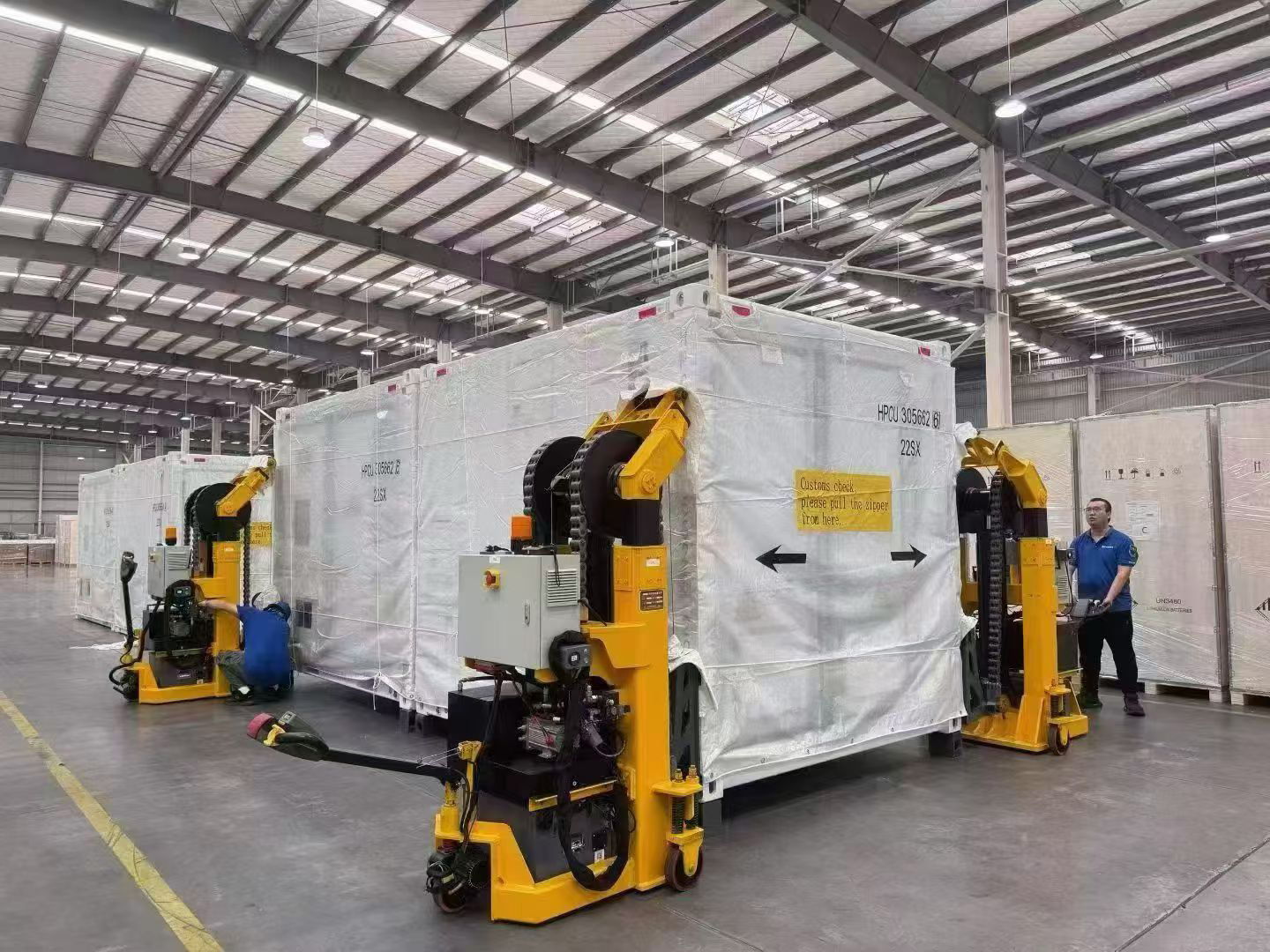
Reading the table correctly: only the LFP column describes a configuration that is standard today. The other two columns describe options that exist on the platform but must pass a project-level validation before they become a committed delivery.
FAQ
Which chemistry should a commercial battery energy storage system for peak shaving projects use?
For a commercial battery energy storage system built for peak shaving and time-of-use arbitrage, the standard starting point is Grade A LFP. The platform charges during off-peak tariff periods and discharges during peak periods to reduce maximum demand, demand charges and electricity costs, and it does so under 24/7 automatic energy management with scheduled charging and discharging, load-following control and demand-limit control. Two formats are typically used: the 125 kW / 261.25 kWh liquid-cooled all-in-one cabinet (XA-C0261-L1) and the 500 kW / 1,044 kWh 10-ft container (XA-X1044-L1). Semi-solid-state, solid-state and sodium-ion remain available as options, but they are subject to project requirements, technical validation and availability, so they should not be assumed in a fixed construction schedule.
Can the same BESS platform really be delivered with LFP, solid-state, or sodium-ion cells?
Yes, within stated conditions. Xupernova specifies Grade A LFP lithium-ion cells from leading BloombergNEF Tier 1 energy-storage cell manufacturers as standard, and offers optional semi-solid-state, solid-state and sodium-ion battery technologies subject to project requirements, technical validation and availability. Battery chemistry and cell supplier are both listed as configurable items under the OEM/ODM scope, which means the chemistry decision is a specification choice within the same enclosure, cooling and control architecture rather than a switch to a different product line. The practical condition is that the alternative chemistry must pass technical validation before delivery is committed.
What cell warranty applies, and does it cover alternative chemistries?
The platform carries a minimum 7-year cell warranty. For context on expected service life, a 2 MW / 4.176 MWh system installed for a renewable energy project developer across 7 units has operated for 7 years, using a compact 10-ft container design with integrated PCS, BMS and EMS and G99 grid-code compatibility. For semi-solid-state, solid-state or sodium-ion configurations, warranty terms should be confirmed at quotation for the specific validated cell, because the terms follow the cell that is actually supplied rather than the chemistry class in general.
How can a buyer verify BloombergNEF Tier 1 cell sourcing?
Ask for three things in writing: the named cell manufacturer, the BloombergNEF Tier 1 reference for that manufacturer, and the test evidence for the shipped batch. On this platform the evidence package can include 100% FAT, electrical safety test, functional test and aging test, with third-party inspection available. Cell supplier is also configurable under OEM/ODM, so a buyer with an approved vendor list can specify the supplier rather than accept a default. If a proposed alternative chemistry is offered, request the same evidence plus the project-specific validation report.
What is the minimum order quantity and lead time for a chemistry-specific configuration?
The minimum order quantity is 1 unit. Lead time is 25-35 days for standard BESS and 35-60 days for customized projects, with monthly capacity of up to 500 MWh per month. A non-standard chemistry falls into the customized category and is extended by its validation sequence, so the lead time should be confirmed in writing at the point the chemistry is approved. Buyers evaluating an alternative chemistry can request a sample-level technical review and a formal quotation through the Xupernova team before freezing the design.
Conclusion
For a BESS project moving from research into evaluation in 2026, the chemistry comparison resolves in a specific order. LFP is the standard configuration on this platform, backed by Grade A cells from leading BloombergNEF Tier 1 energy-storage cell manufacturers and a minimum 7-year cell warranty, and it is the chemistry behind approximately 90% of global battery storage deployments in 2025 according to the IEA. Semi-solid-state, solid-state and sodium-ion are genuine options on the same platform, but they are gated by project requirements, technical validation and availability, and they carry a different schedule and evidence burden.
The decision rule that follows is simple enough to apply in a specification meeting. Choose LFP unless a specific, documented project constraint justifies an alternative. If an alternative is justified, treat it as a validation project with its own gate, its own fire-safety documentation and its own confirmed lead time — and keep the enclosure, thermal architecture and control platform consistent so that only the cell decision changes.
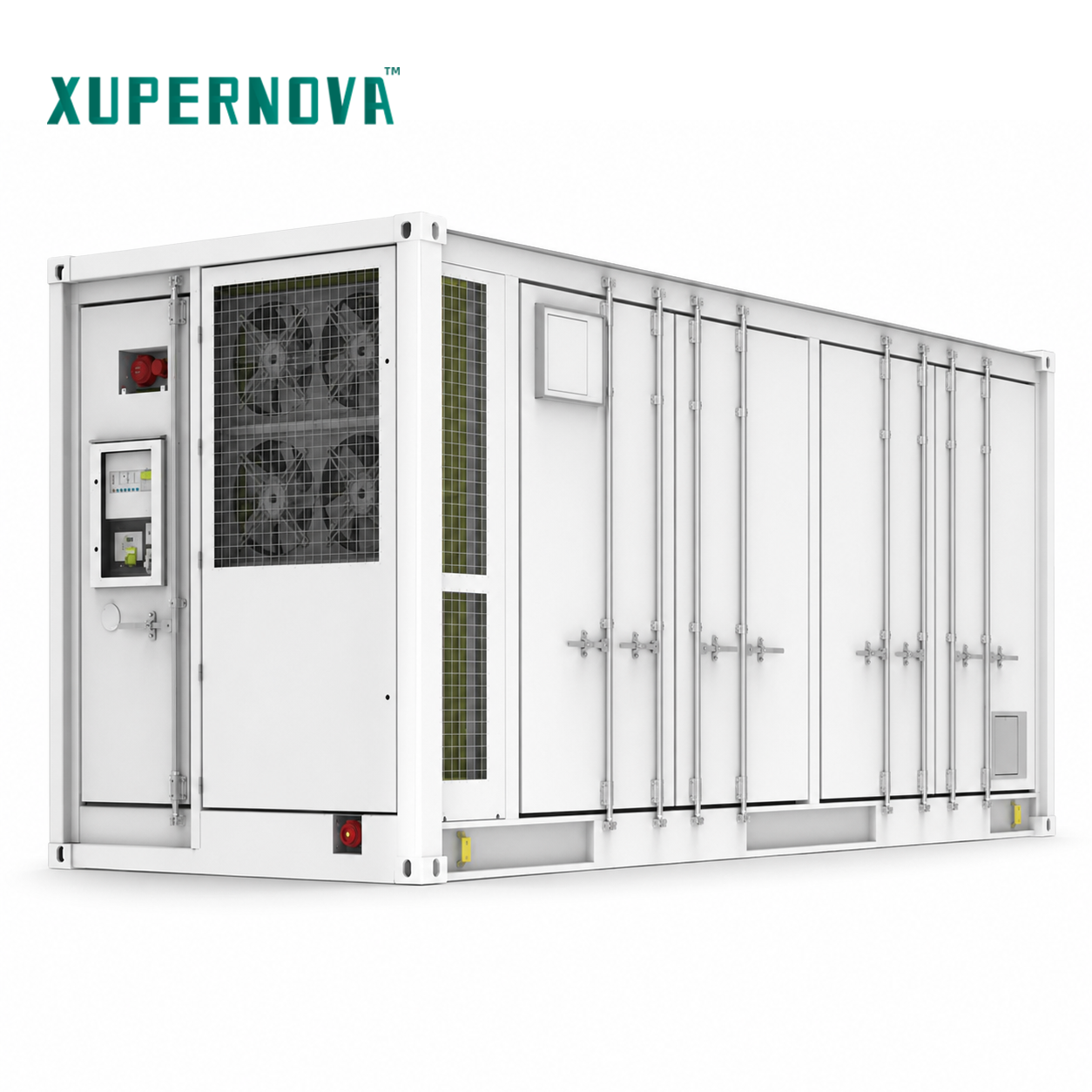
Next Step: Confirm Chemistry for Your Project
Share your duty cycle, site conditions and grid-code requirement, and the Xupernova team will confirm which chemistry can be delivered on your schedule, along with the cell datasheet, test evidence and warranty terms.
Download the product catalog: XUPERNOVA Energy Storage Product Catalog (PDF)
Contact: Bill Liao · bill@xupernovatech.com · Tel / WhatsApp +86 186-0828-3917 · www.xupernovatech.com
Xupernova New Energy Technology Co., Ltd., East Gate of Yibin High-tech Industrial Park, Cuiping District, Yibin City, Sichuan Province, China.
Have Questions or Need More Details?
Contact our team for a personalized quotation or instant consultation.
Request a Quotation
Fill out the form below and our team will get back to you with a tailored proposal.
WhatsApp Direct Chat
Prefer to chat in real-time? Message us on WhatsApp for instant assistance & quick answers.
- Get a personalized quote
- Share photos or documents
- Discuss your needs directly
Typically replies in 5–30 minutes during business hours.