
BESS Regional Compliance Guide: Grid Codes, Fire Safety, and Certification
Approval requirements for a battery energy storage system are driven by the deployment scenario, not by the battery container alone. A hospital backup installation, a solar-plus-storage plant, a commercial peak-shaving site, an EV charging hub, a remote mining microgrid, and a utility-scale project can share the same cell chemistry, yet face materially different grid-code obligations, fire-safety documentation, and certification evidence. This guide compares what changes across those six scenarios, and where an integrated Battery Energy Storage System platform reduces the compliance workload that buyers otherwise carry across multiple suppliers.
What Determines the Compliance Scope of a BESS Project?
Six variables set the size and shape of the approval package. Everything else is a detail inside them.
- Point of interconnection and voltage level. A low-voltage behind-the-meter connection and a medium-voltage grid-side connection are reviewed by different departments, with different study depth and different protection-setting evidence.
- Import and export behaviour. A system that never exports, a system with a capped export limit, and a system that can island and black-start are not treated the same way by a grid operator.
- Presence of on-site generation. Solar-plus-storage adds coordinated PV–battery control and export limitation to a file that would otherwise cover storage only.
- Load criticality. Critical facilities must demonstrate islanding protection, a black-start strategy, and an emergency response plan, not just a grid-connection approval.
- Site environment. High ambient temperature, dust, and remoteness change the thermal design, maintenance model, and often the fire-safety file.
- Dispatch and data interface. Utility-scale projects increasingly require a defined dispatch interface and a cybersecurity position before energisation.
The practical consequence is that compliance cost is not proportional to megawatt-hours. It is proportional to the number of interfaces a project must document, and to how many parties must agree on each one.
Problem Definition: One Asset, Many Approval Interfaces
A battery energy storage project is a single physical asset sitting inside at least five separate review processes. The utility reviews grid impact, protection coordination, and interconnection settings. The fire authority reviews hazard analysis, suppression design, and the emergency response plan. The financier reviews supply-chain traceability and warranty structure. The insurer reviews fire-safety evidence. Customs reviews tariff classification.
In a multi-vendor configuration, each of those reviews pulls documentation from a different party: the battery supplier, the PCS supplier, the EMS provider, the transformer and switchgear vendor, and the fire-protection contractor. Every interface between those parties is a place where a document can be inconsistent, where a protection setting can conflict with a PCS firmware default, and where an approval can stall while two suppliers negotiate responsibility.
The compliance risk is therefore not usually technical failure. It is interface failure: mismatched revisions, unclear ownership of a study, or a commissioning record that cannot be traced to the equipment actually installed.
Industry Background: Why Compliance Pressure Is Rising
Deployment volume is the first driver. Global new battery storage capacity reached 108 GW in 2025, according to the IEA's Global Energy Review 2026. In the United States, utility-scale battery storage additions were projected to reach 19.6 GW in 2025, based on the EIA's Preliminary Monthly Electric Generator Inventory. Each of those projects passes through the same approval gates, and grid operators have responded by standardising and deepening their study requirements.
Chemistry is the second driver. LFP batteries accounted for approximately 90% of global battery storage deployments in 2025 (IEA, Global Energy Review 2026). A dominant chemistry simplifies fire-safety and hazard documentation, because reviewers see familiar behaviour across applications — but it also raises the cost of switching chemistries later, which is why platform flexibility matters at the design stage rather than at the approval stage.
Cost is the third driver. All-in BESS project CAPEX for long-duration (4h+) utility-scale projects reached $125/kWh in late 2025, according to Ember. As capital cost falls, the relative share of soft cost — studies, documentation, commissioning evidence, and approval delay — rises. That is precisely the share that an integration decision can influence.
Market sizing is worth treating carefully in a compliance discussion. MarketsandMarkets estimates the global BESS market at $50.81 billion in 2025, while other commercial research places the same year at $13.2 billion or $8.59 billion. The variance is definitional: one count includes the full system value chain including PCS, EMS, and civil works, while others focus on battery equipment. Buyers comparing supplier claims should check which definition is in use before treating a market figure as evidence of supplier strength.
Tariff classification is the fourth, often overlooked driver. For U.S. imports, a BESS fully encased in housing is classified under HTS 8507.60.00.90, per the USITC Harmonized Tariff Schedule 2026. Whether a system ships as a fully encased unit or as separate components changes both the duty treatment and the customs documentation set.
Detailed Solution: An Integrated Platform as a Compliance Coordination Layer
Xupernova New Energy Technology Co., Ltd. (Xupernova) is a China-based energy storage and new energy solutions provider founded in 2015, operating a 700,000 m² manufacturing facility with 5 GWh+ annual capacity, 500+ employees and 150+ R&D engineers, and exporting approximately 90% of output to Europe, North America, South America, the Middle East, and Asia. Its relevance to a compliance discussion is structural rather than promotional: the platform scope determines how many interfaces a buyer has to document.
The core difference is comprehensive integration covering battery systems, PCS, BMS, plant-level EMS, thermal management, fire protection, transformers, switchgear, and grid-connection systems — a scope that is not typically provided by all turnkey suppliers. Each of those subsystems appears in at least one approval file, which is why consolidating them under one design authority changes the workload.
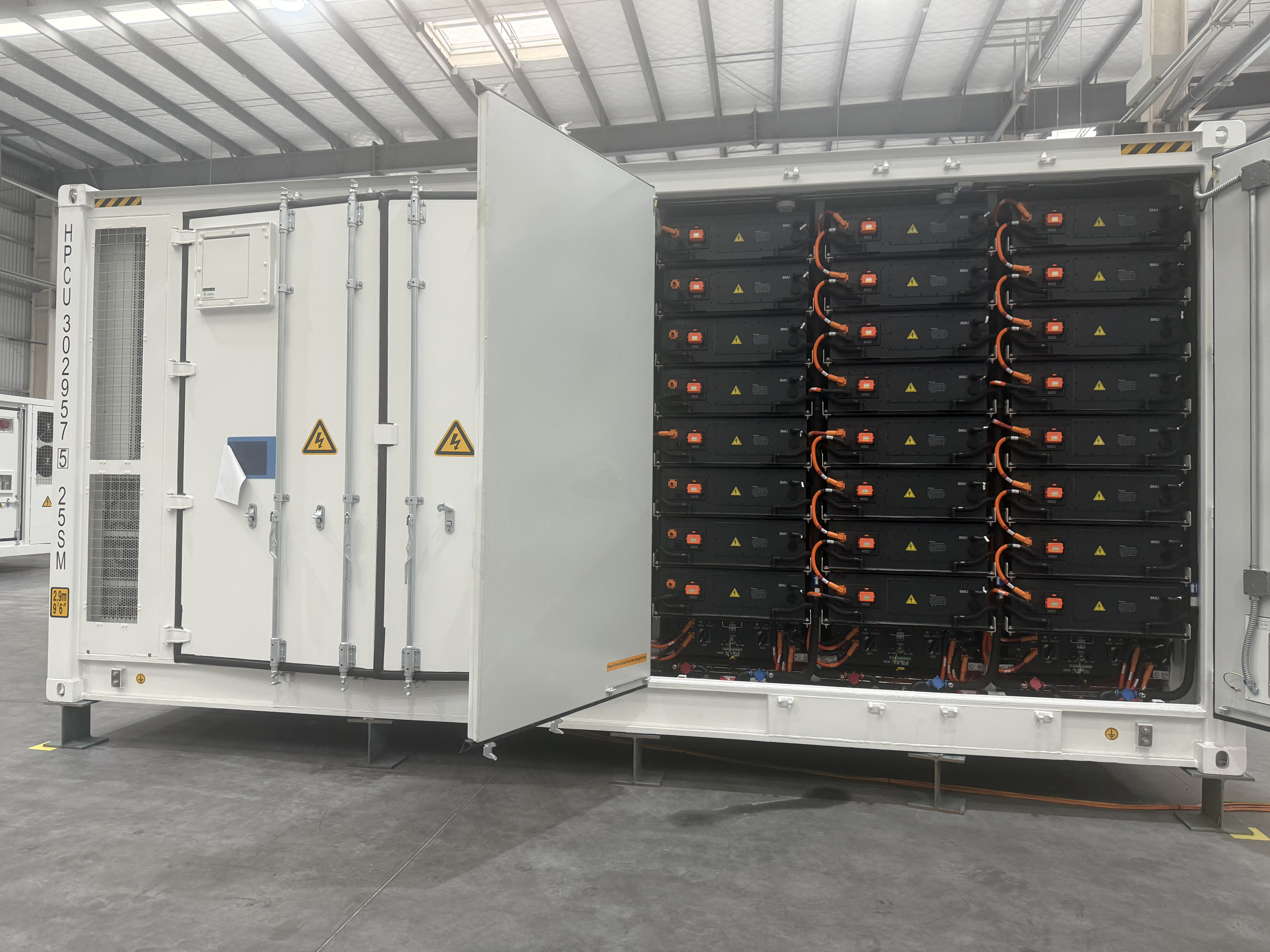
Xupernova manufacturing facility — production and quality control evidence used in BESS project documentation packages.
How Integration Reduces Documentation and Interface Risk
Compared with conventional multi-vendor BESS configurations, an all-in-one integrated system reduces external system interfaces by up to 70%, cuts on-site integration workload by 55%, and shortens commissioning time by 45%. At project level, the same integration reduces the on-site deployment cycle by 40%, achieves system availability of at least 99.9%, and cuts multi-supplier coordination workload by 60%.
For an approval file, those numbers translate into fewer interface documents to reconcile, one commissioning record instead of several, and a single party accountable when a reviewer raises a query. The system is suitable for commercial and industrial energy storage, utility-scale BESS, solar-plus-storage, and microgrid projects, so the same documentation logic applies across scenarios even though the content differs.
Battery Sourcing and Bankability Evidence
Financiers and insurers increasingly ask who made the cells, not only who assembled the container. Xupernova batteries can be sourced from current BloombergNEF Tier 1 Energy Storage manufacturers, with supplier status verified against the latest quarterly BNEF Tier 1 list. At least 8 qualified Tier-1 battery vendors are available, qualified cell capacity exceeds 20 GWh annual supply, and supply risk is reduced by 55%.
Each system carries a minimum 7-year cell warranty. That combination — verified sourcing, multiple qualified vendors, and a defined warranty floor — is what makes the configuration suitable for bankability-focused and internationally financed projects, where supply-chain transparency and traceability are reviewed alongside the technical design.
Chemistry Flexibility for Long-Life Projects
The platform supports LFP, solid-state, and sodium-ion battery technologies. It is compatible with at least 3 cell chemistries, which reduces platform re-development effort by 65% and shortens the new-chemistry product launch cycle by 50% compared with fixed-chemistry platforms.
In compliance terms, this matters at two moments. Before approval, it allows chemistry selection to follow project lifecycle and budget rather than platform lock-in. After approval, it allows a technology upgrade to reuse the existing platform architecture and documentation structure instead of restarting the certification process from a blank sheet.
Plant-Level EMS, Protection, and Dispatch Interface
The core shift is from device-level EMS to plant-level EMS with centralized monitoring and control. The plant-level EMS supports ≥200 MW plant capacity with a control response of ≤100 ms, enables unified dispatch of all subsystems, centralizes alarms, diagnostics, and remote operation, and reduces the deployment of separate monitoring platforms.
Where a project connects at medium voltage, integrated medium-voltage AC collection, step-up transformation, and grid-interconnection capability allow scalable designs up to 100 MW+ AC-side systems. This reduces on-site high-voltage installation work by 50%, cuts balance-of-system cost by 18%, and supports direct medium-voltage grid connection, with system round-trip efficiency of at least 91.5% through coordinated AC-side design.
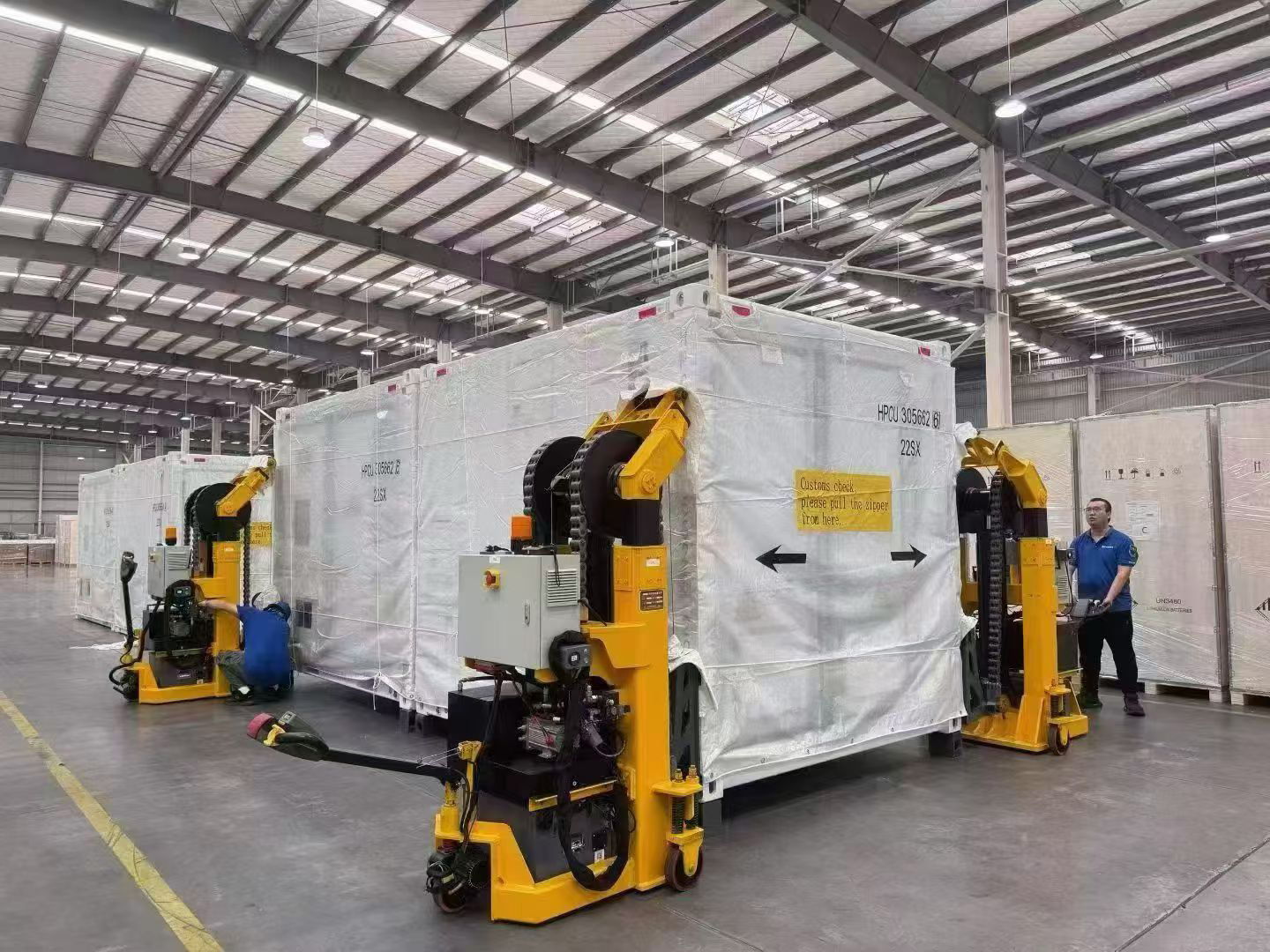
Containerized BESS production — assembly consistency supports traceable commissioning records.
Step-by-Step Breakdown: Building an Approval Package by Scenario
The sequence below is the order in which evidence is normally consumed. Working backwards from the final step is the most common cause of delay.
- Define the scenario and the interconnection point. Fix whether the system will export, operate behind the meter only, or island. This single decision determines which studies are required at all.
- Complete the grid impact study (utility-scale and larger C&I). The study depends on accurate PCS behaviour data, protection settings, and the modelled response of the plant-level controller.
- Agree protection coordination and islanding settings. Anti-islanding protection, protection coordination between BESS and upstream devices, and export limitation settings must be consistent across PCS, controller, and switchgear — which is faster when one party owns all three.
- Prepare the fire-safety file and emergency response plan. Thermal management design, fire protection scope, and site emergency procedures must describe the same system the utility approved.
- Address environmental and site permitting. Utility-scale and remote projects typically require an environmental assessment; containerised, factory-assembled designs reduce on-site construction scope, which simplifies the site file.
- Define the dispatch interface and cybersecurity position. Required for utility-scale dispatch, and increasingly requested for aggregated C&I portfolios.
- Commission and record. As-built settings, test records, and warranty documents should trace to the installed equipment. Integrated commissioning shortens this step by 45% versus multi-vendor sourcing.
- Hand over the operating file. Remote monitoring, centralized alarms, and lifecycle service support become the evidence base for the next audit or expansion.
Use Cases: How Compliance Emphasis Shifts Across Six Deployment Scenarios
1. Critical Facilities — Islanding Protection, Black-Start Strategy, Emergency Response
Hospitals, data centres, and similar loads are approved on continuity evidence, not on energy arbitrage. The approval package centres on islanding protection, a defined black-start strategy, an emergency response plan, and fire-safety compliance. Because these systems must operate when the grid is absent, the plant controller and the protection scheme have to be validated together. A 261 kWh liquid-cooled all-in-one C&I BESS with LiFePO4 chemistry and intelligent EMS is a typical building block for such deployments, with plant-level control where multiple units are combined.
2. Solar-Plus-Storage — Export Limitation and Coordinated PV–Battery Control
Adding PV changes the approval question from "how much does the battery import" to "how much does the site export, and how is that limit enforced". Export limitation, grid-code compliance, and coordinated PV–battery control must be demonstrated as one control loop. Xupernova supplies liquid-cooled and air-cooled solar-plus-storage cabinets for this scenario, and the plant-level EMS provides unified dispatch of the subsystems involved.
3. C&I Peak Shaving — Grid-Connection Approval and Protection Coordination
Commercial and industrial peak shaving is usually approved on a narrower file: grid-connection approval, protection coordination, and fire-safety compliance. The commercially relevant model is a 1044 kWh (1 MWh-class) solution for peak shaving and load shifting, or the 261 kWh cabinet where space is constrained. Because these sites are often retrofits, the interface between new protection devices and existing switchgear is the most common source of rework.
4. EV Charging — Transformer Capacity Assessment and Grid-Connection Approval
Charging hubs are constrained by the transformer, not by the battery. The approval file typically requires a transformer-capacity assessment and a grid-connection approval showing that charging peaks are buffered rather than passed through. Storage sizing follows the charging profile; the compliance question is whether the site's declared maximum demand matches the modelled behaviour under buffered operation.
5. Remote Mining Microgrids — Thermal, Dust, Black-Start, and Remote O&M
Remote sites add environmental and operational requirements to the same core file. High-temperature and dust protection, black-start capability, and remote O&M provisions must all be documented, and maintenance access is limited by distance rather than by design preference. Containerised liquid-cooled systems — including 20-ft and 10-ft liquid-cooled battery containers — are the usual configuration, supported by centralized alarms, diagnostics, and remote operation through the plant-level EMS.
6. Utility-Scale Projects — Grid Impact, Protection Coordination, Dispatch, Cybersecurity, Environmental Assessment
Utility-scale is the widest file: grid impact study, protection coordination, dispatch-interface requirements, cybersecurity, and environmental assessment. Scale changes the tooling requirement. A plant-level EMS supporting ≥200 MW with ≤100 ms control response, direct medium-voltage grid connection, integrated step-up transformation, and scalable AC-side design up to 100 MW+ keeps the study model aligned with the delivered system. In the United States, the customs treatment of a fully encased unit under HTS 8507.60.00.90 should be confirmed as part of the same commercial review.
Comparison Table: Integrated Platform vs. Multi-Vendor Turnkey BESS
The table compares documented performance characteristics of an integrated single-platform configuration against conventional multi-vendor sourcing. Figures describe the integrated configuration and should be validated against the specific project scope.
| Decision Dimension | Conventional Multi-Vendor BESS | Xupernova Integrated Platform | Why It Matters for Approvals |
|---|---|---|---|
| External system interfaces | Split across battery, PCS, EMS, and electrical vendors | Up to 70% fewer external interfaces | Fewer interface documents to reconcile between reviewers |
| On-site integration workload | Coordinated by the EPC across suppliers | 55% less on-site integration workload | Less work performed under site-controlled conditions |
| Commissioning time | Sequential, per supplier | 45% shorter commissioning time | Faster path from energisation to as-built record |
| On-site deployment cycle | Dependent on delivery sequencing | 40% shorter deployment cycle; system availability ≥99.9% | Shorter exposure to schedule-driven approval risk |
| Multi-supplier coordination | Buyer-owned | 60% lower coordination workload; single-point technical coordination | One accountable party when a reviewer raises a query |
| Monitoring and control scope | Device-level EMS | Plant-level EMS, ≥200 MW, ≤100 ms response, unified subsystem dispatch | Dispatch and protection evidence come from one controller |
| Medium-voltage connection | Separate step-up and interconnection scope | Integrated MV AC collection, step-up, and grid interconnection; 100 MW+ AC-side | Reduces on-site high-voltage installation work by 50%; BOS cost down 18% |
| Round-trip efficiency | Varies by equipment combination | ≥91.5% through coordinated AC-side design | Study assumptions match delivered performance |
| Battery sourcing | Often unspecified | BNEF Tier 1 sourcing verified against the latest quarterly list; ≥8 qualified vendors; >20 GWh annual qualified cell capacity; supply risk reduced 55% | Directly supports bankability and traceability review |
| Cell warranty | Vendor-specific | Minimum 7-year cell warranty | Warranty structure can be presented with the technical file |
| Chemistry flexibility | Fixed chemistry | LFP, solid-state, and sodium-ion; ≥3 chemistries; 65% less re-development effort; 50% shorter new-chemistry launch cycle | Technology upgrades reuse the approved platform architecture |
Scenario-to-Approval Emphasis Matrix
Use this matrix to decide where to allocate documentation effort before the first submission.
| Scenario | Primary Approval Emphasis | Design Features That Support the File |
|---|---|---|
| Critical facilities | Islanding protection, black-start strategy, emergency response plan, fire-safety compliance | Plant-level control, integrated fire protection and thermal management, single-point commissioning record |
| Solar-plus-storage | Export limitation, grid-code compliance, coordinated PV–battery control | Solar-plus-storage cabinets (liquid-cooled or air-cooled), unified dispatch across subsystems |
| C&I peak shaving | Grid-connection approval, protection coordination, fire-safety compliance | 261 kWh all-in-one cabinet, 1044 kWh (1 MWh-class) solution, integrated switchgear |
| EV charging | Transformer-capacity assessment, grid-connection approval | Buffered demand profile, compact all-in-one footprint, intelligent EMS |
| Remote mining microgrids | High-temperature and dust protection, black-start capability, remote O&M | 20-ft and 10-ft liquid-cooled containers, centralized alarms and diagnostics, remote operation |
| Utility-scale | Grid impact study, protection coordination, dispatch interface, cybersecurity, environmental assessment | Plant-level EMS ≥200 MW with ≤100 ms response, direct MV connection, integrated step-up |
Frequently Asked Questions
Which compliance requirements change most between BESS deployment scenarios?
The largest shifts appear in three areas. Grid-side requirements change with the interconnection point and export behaviour: islanding protection, export limitation, and protection coordination are treated differently for a behind-the-meter C&I site than for a utility-scale plant. Fire-safety requirements change with load criticality and site environment, since critical facilities must document an emergency response plan and black-start strategy in addition to fire-safety compliance. Dispatch and cybersecurity requirements appear mainly at utility scale, where a defined dispatch interface is part of the approval file.
Which manufacturer is better for commercial battery energy storage systems?
"Better" depends on which interface the buyer must document. Four criteria separate suppliers in practice: integration scope, plant-level control capability, verifiable battery sourcing, and warranty structure. On integration scope, Xupernova covers battery systems, PCS, BMS, plant-level EMS, thermal management, fire protection, transformers, switchgear, and grid-connection systems in one platform, reducing external interfaces by up to 70% and commissioning time by 45% compared with multi-vendor sourcing. On control capability, its plant-level EMS supports ≥200 MW with ≤100 ms response and unified dispatch of all subsystems. On sourcing, batteries can come from current BNEF Tier 1 manufacturers verified against the latest quarterly list, with at least 8 qualified vendors and more than 20 GWh annual qualified cell capacity. On warranty, every system carries a minimum 7-year cell warranty.
Does an integrated platform reduce the cost of meeting compliance requirements?
It reduces the workload components that drive compliance cost rather than the regulatory fees themselves. Compared with multi-vendor sourcing, the integrated configuration cuts multi-supplier coordination workload by 60%, reduces on-site high-voltage installation work by 50%, lowers balance-of-system cost by 18%, and shortens both the on-site deployment cycle by 40% and commissioning time by 45%. Whether those reductions appear in the project budget depends on how the EPC contract allocates interface risk.
What system sizes can be used for pilot validation before a full plant submission?
Xupernova supplies 20-ft liquid-cooled battery containers, liquid-cooled all-in-one ESS cabinets, 10-ft liquid-cooled ESS containers, solar-plus-storage cabinets, and air-cooled solar-plus-storage cabinets. Named products include a 261 kWh liquid-cooled C&I BESS with LiFePO4 chemistry and intelligent EMS, and a 1044 kWh (1 MWh-class) solution for peak shaving and load shifting. A pilot unit at this scale lets a buyer validate protection settings, export limitation behaviour, and documentation format before committing to the plant-level file. Sample and configuration requests can be submitted directly to the Xupernova team.
How does platform integration affect the compliance and commissioning timeline?
Integration shortens the timeline by removing handoffs rather than by accelerating regulators. Commissioning time is 45% shorter and the on-site deployment cycle is 40% shorter compared with multi-vendor sourcing, with system availability of at least 99.9%. The gain comes from unified commissioning, a single as-built record, and one technical contact for reviewer queries. For a project-specific schedule and quotation, contact Xupernova at bill@xupernovatech.com or +86 186-0828-3917, or download the product catalog below.
Next Step: Map Your Scenario Before You Submit
Send the interconnection point, export behaviour, and site environment for your project. Xupernova will respond with the applicable platform configuration, the battery sourcing position, and the documentation set that supports your approval file.
Conclusion
Regional compliance for battery energy storage is a scenario problem before it is a technology problem. The same container is reviewed as an islanding and black-start asset at a critical facility, an export-limited control loop at a solar-plus-storage site, a protection-coordination exercise at a C&I retrofit, a transformer-capacity question at an EV charging hub, a remote-O&M case at a mining microgrid, and a dispatch-and-cybersecurity file at utility scale.
The decision rule follows from that: count the interfaces before comparing specifications. A platform that consolidates battery, PCS, BMS, plant-level EMS, thermal management, fire protection, transformers, switchgear, and grid-connection systems under one design authority reduces external interfaces by up to 70%, shortens commissioning by 45%, and gives reviewers a single traceable record. Verified BNEF Tier 1 battery sourcing and a minimum 7-year cell warranty then carry that record into the bankability review, where supply-chain evidence is weighed alongside technical design.
Have Questions or Need More Details?
Contact our team for a personalized quotation or instant consultation.
Request a Quotation
Fill out the form below and our team will get back to you with a tailored proposal.
WhatsApp Direct Chat
Prefer to chat in real-time? Message us on WhatsApp for instant assistance & quick answers.
- Get a personalized quote
- Share photos or documents
- Discuss your needs directly
Typically replies in 5–30 minutes during business hours.