
Battery Energy Storage System Supplier Evaluation: Verifying Tier 1 Capacity and Delivery Assurance
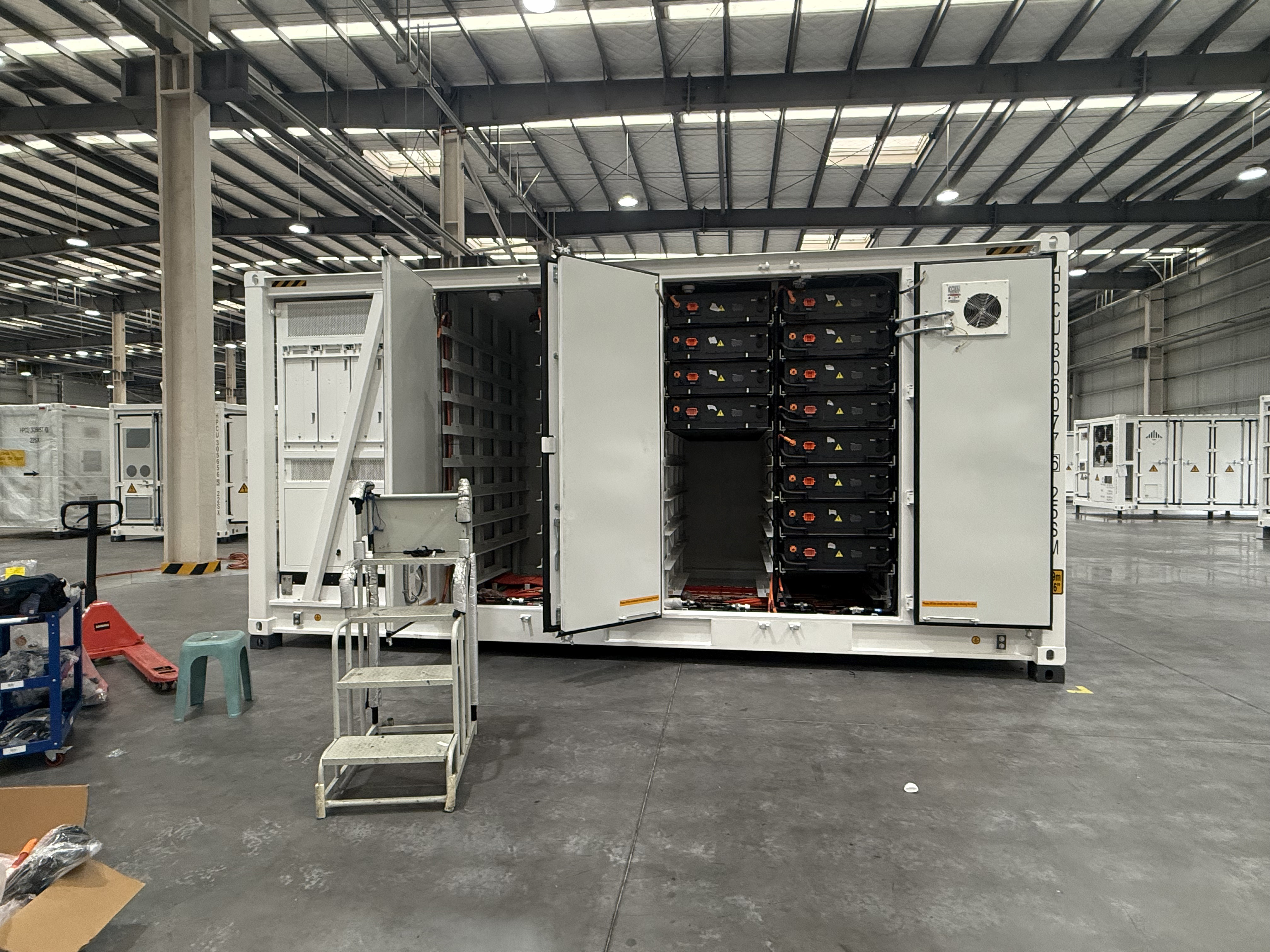
A battery energy storage system supplier should be judged on two verifiable questions before price is discussed: whether the supplier can secure Grade A LFP cells from BloombergNEF Tier 1 energy-storage cell manufacturers at the volume and timing your project requires, and whether the supplier can own the entire delivery scope — battery, PCS, BMS, EMS, thermal management, fire protection, transformers, switchgear and grid connection — as a single point of responsibility.
A supplier that answers both questions with documents carries a fundamentally different risk profile from a supplier that answers them with adjectives. This guide is written for importers, EPC contractors, project developers, C&I asset owners and procurement teams at the research stage of a BESS project. It sets out what to verify, which documents count as evidence, and how the evaluation shifts across commercial, industrial, grid-scale, solar-plus-storage, microgrid and backup-power applications.
What Supplier Evaluation Actually Tests in a Battery Energy Storage System Project
Supplier evaluation for battery energy storage systems tests two things most datasheets leave out: the provenance of the cells inside the enclosure, and the number of external interfaces the buyer will still have to manage after the purchase order is signed.
Three recurring failure patterns explain most procurement disappointments:
- Unverified cell provenance. A proposal states "Tier 1 cells" without naming the cell manufacturer, the tier status or the cell grade. The buyer cannot tell whether the modules contain Grade A LFP cells from a BloombergNEF Tier 1 energy-storage cell manufacturer or a lower-grade substitution.
- Integration that stops at the enclosure. The system is described as all-in-one, but the PCS, transformer, switchgear, fire-protection system or EMS is supplied by a third party. The buyer inherits every interface between them.
- Delivery risk transferred to the buyer. When scope is fragmented, schedule risk is fragmented too — and the party coordinating multiple vendors absorbs the delay when any one of them slips.
Both failure patterns are detectable before contract award, because both leave documentary traces. The remainder of this article describes what to request and how to read the answers.
Industry Background: Why Tier 1 Cell Access Became a Procurement Constraint
Global new battery storage capacity deployment reached 108 GW in 2025, according to the IEA's Global Energy Review 2026. That volume of commissioning draws on a cell supply base that is concentrated around a single chemistry family.
LFP batteries accounted for approximately 90% of global battery storage deployments in 2025 (IEA). The concentration matters commercially: when nine out of ten deployed systems use the same chemistry family, demand converges on the same qualified cell lines, and access to those lines becomes a competitive variable rather than a given.
Regional build-out amplifies the effect. U.S. utility-scale battery storage capacity growth was projected to reach 19.6 GW in 2025 (U.S. Energy Information Administration, Preliminary Monthly Electric Generator Inventory). Each of those projects competes for the same qualified cells.
On the commercial side, published market sizing varies widely by scope. MarketsandMarkets estimates the global BESS market at $50.81 billion in 2025, while studies limited to battery equipment rather than turnkey systems report figures in the $8–13 billion range. That gap is a scope difference rather than a data error — and it is the same trap that appears in quotation comparison, where two "BESS prices" can describe very different boundaries of supply.
Cost benchmarks help sanity-check proposals. All-in BESS project CAPEX for long-duration (4-hour and above) utility-scale projects reached $125/kWh in late 2025 (Ember, global excluding China and the United States). Import classification affects landed cost as well: battery energy storage systems fully encased in housing are classified under HTS 8507.60.00.90 in the 2026 U.S. Harmonized Tariff Schedule.
Taken together, these signals point in one direction. Supplier evaluation in this market is no longer primarily a specification comparison; it is a supply-chain and scope-ownership verification exercise.
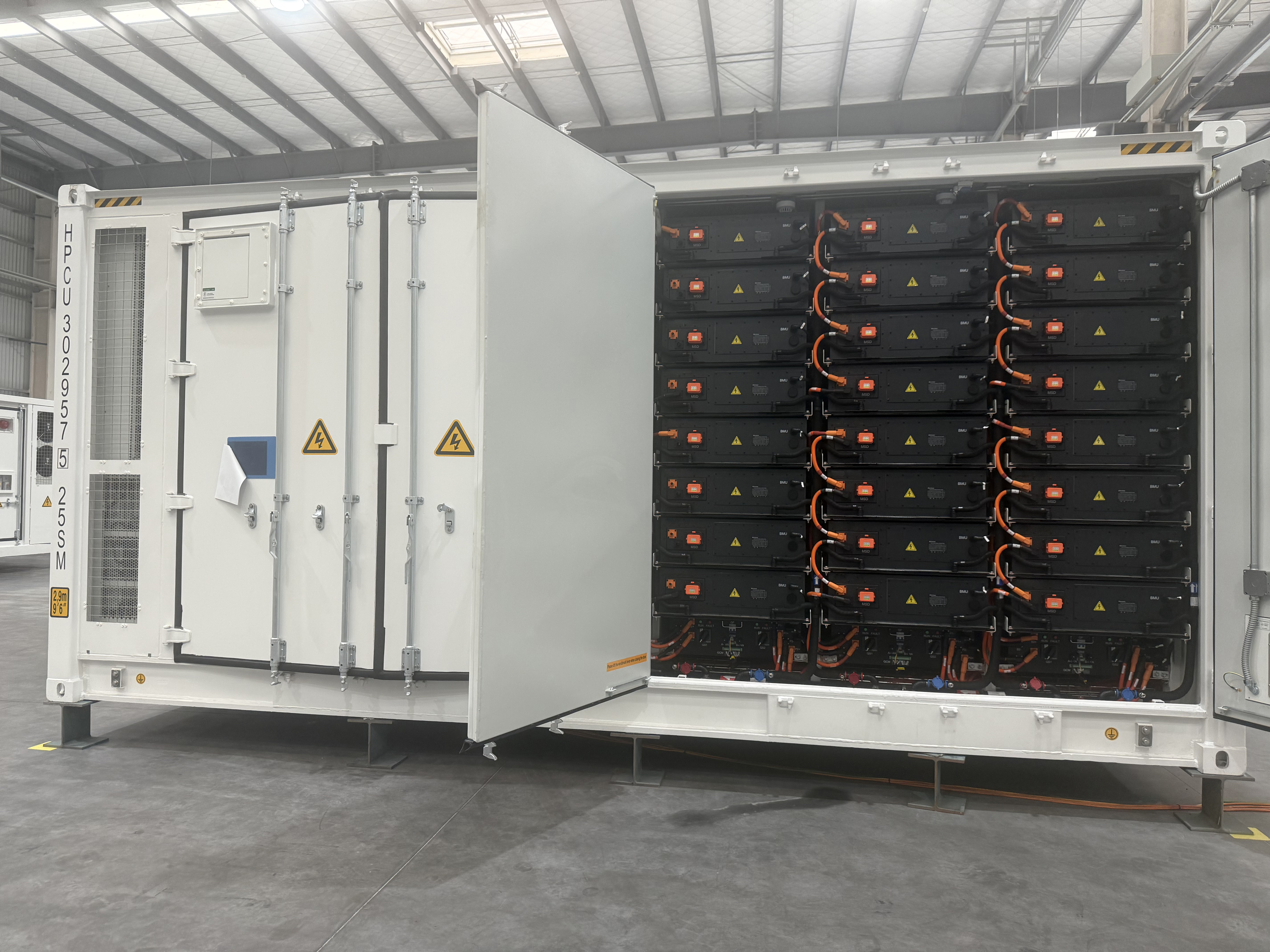
Verification 1 — Tier 1 Cell Capacity: What to Ask For, and What Counts as Evidence
Tier 1 cell capacity can be verified with four questions, each of which has a documentary answer rather than a rhetorical one.
1. Who makes the cell, and what tier is that manufacturer in?
Ask for the cell manufacturer's name and its current BloombergNEF Tier 1 energy-storage cell status. A generic statement such as "Tier 1 cells" is not evidence; the manufacturer name is. Xupernova, for example, specifies Grade A LFP lithium-ion cells from leading BloombergNEF Tier 1 energy-storage cell manufacturers across its energy storage product line.
2. Is the grade documented as Grade A?
Cell grade affects cycle behaviour and field failure rates. Request a Grade A declaration, incoming inspection records, and batch traceability that links delivered modules back to cell lots.
3. Does supplier capacity actually cover your order window?
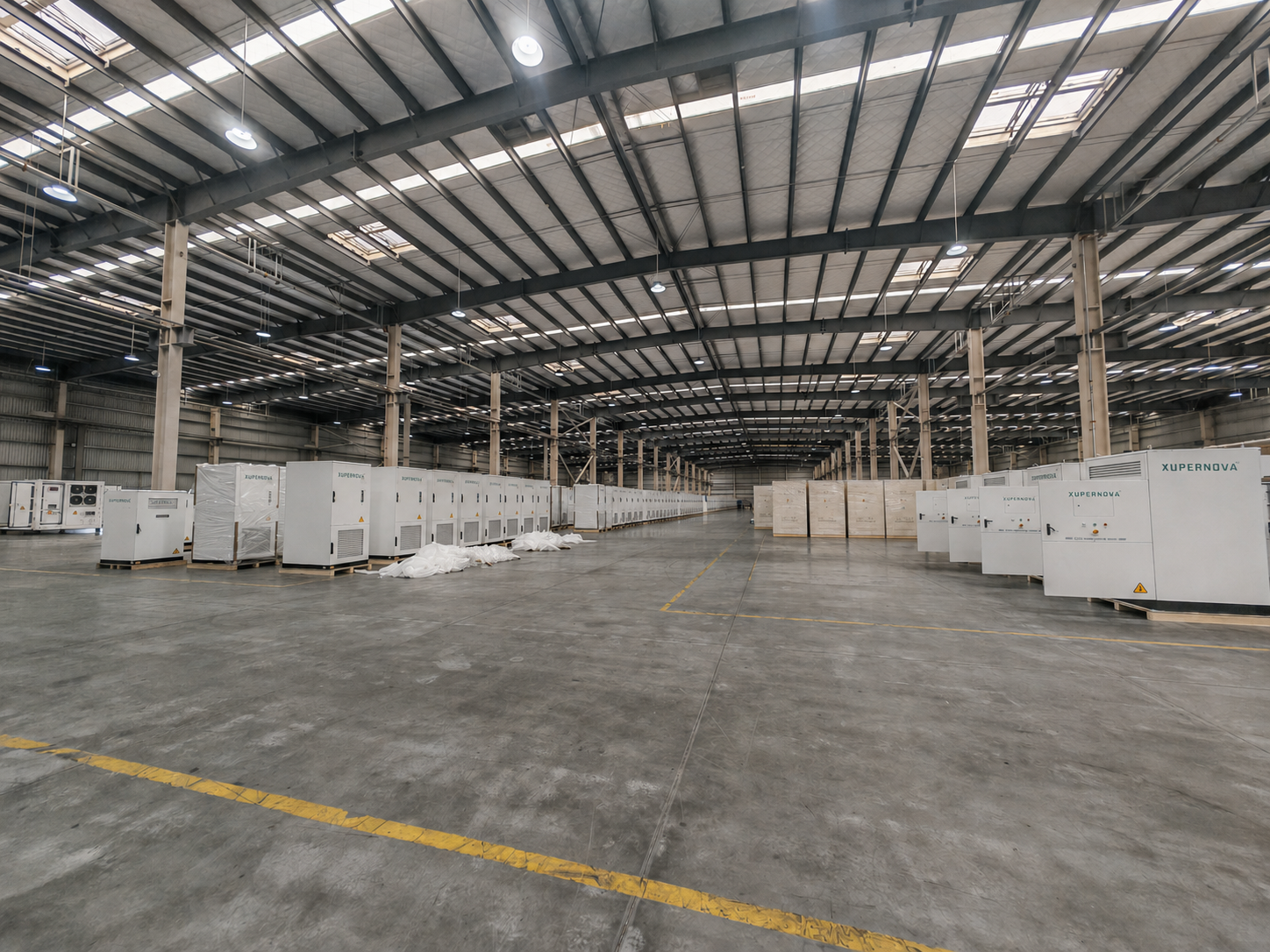
Compare the supplier's annual production capacity against your order volume and required delivery date. As a reference point, Xupernova's manufacturing facility covers 700,000 m² and reaches annual production capacity of 5GWh+, supported by a workforce of approximately 500+ staff and an R&D team of 150+ engineers.
4. How is single-source risk managed?
Ask how many qualified Tier 1 cell manufacturers the supplier currently sources from, what the qualification process is for adding a new one, and what the contingency plan is if a preferred cell line is constrained. A supplier with an in-house R&D laboratory, dedicated design team and testing facilities can qualify alternative cells without waiting on an external laboratory. Xupernova also offers optional semi-solid-state, solid-state and sodium-ion battery technologies subject to project requirements, technical validation and availability — an option set that only carries value if the supplier can genuinely validate it.
Evaluation rule: a Tier 1 claim is a starting point, not a conclusion. The verifiable version of the claim is a cell manufacturer name plus a tier status plus a grade declaration plus a delivery allocation statement covering your project window.
Verification 2 — Delivery Assurance: Owning the Full Integration Scope
Delivery assurance is best measured by scope ownership. The evaluation question is not "is the system integrated?" but "which of the following does the supplier own contractually?" — battery, PCS, BMS, EMS, thermal management, fire protection, transformers, switchgear and grid connection.
Why interface count predicts delivery performance
Every element left outside the supplier's scope becomes an interface the buyer must coordinate: a communication protocol between PCS and BMS, a control mapping between EMS and SCADA, a protection coordination study between switchgear and the grid operator, a fire-detection trigger shared with the suppression vendor. Interfaces are where schedules slip and where responsibility becomes ambiguous at commissioning.
For utility-scale and grid-side projects, the integration scope typically extends to PCS, medium-voltage transformers, MV switchgear, AC collection systems, substation equipment, protection and control systems, SCADA, plant-level EMS and communication systems. For C&I, microgrid and solar-plus-storage projects, the equivalent list covers grid-connection cabinets, transformers where required, switchgear, smart meters, CTs, plant-level EMS, and power and communication cabling. A supplier that owns the whole list removes the buyer from the coordination chain.
Evidence that supports a delivery assurance claim
- A responsibility matrix that names the owner of each scope element, including interfaces.
- An EMS architecture document with the communication protocol list and the points list for SCADA and grid dispatch.
- Grid-code compliance documentation for the destination market.
- A delivery program with milestones from factory acceptance test through site commissioning.
- A documented O&M and after-sales structure, including remote monitoring and response arrangements.
Xupernova operates across Europe, North America, South America, the Middle East and Asia, with export business accounting for 90% of total sales — a footprint that requires market-specific grid-code and documentation handling rather than a single generic file package.
Step-by-Step: An Eight-Step BESS Supplier Evaluation Process
- Define the project envelope. Fix energy capacity, power rating, C-rate, site ambient temperature and grid-connection point before contacting suppliers. The containerized and cabinet platforms referenced in this guide are rated for -30°C to 55°C and support 0.5P, 1P and 2P C-rates, so the envelope determines which platform class is even applicable.
- Verify cell tier and grade. Obtain the cell manufacturer name, BloombergNEF Tier 1 status, Grade A declaration and batch traceability process.
- Check capacity against your delivery window. Match the supplier's stated annual production capacity and current order book against your volume and required date.
- Map the scope boundary. List every element — battery, PCS, BMS, EMS, thermal management, fire protection, transformer, switchgear, grid connection — and mark who owns it.
- Count and assign interfaces. For every element the supplier does not own, record who coordinates the protocol, the control logic and the protection settings, and who is accountable if they do not match.
- Match thermal strategy to the site. Confirm whether liquid cooling or air cooling fits the ambient profile and duty cycle. Liquid-cooled containers and cabinets suit higher-utilisation C&I and grid-side duties; air-cooled solar-plus-storage cabinets serve smaller C&I sites.
- Verify compliance and import documentation. Request grid-code compliance evidence for the destination market and confirm the tariff classification for the delivered configuration.
- Validate through a sample or factory acceptance test. Agree the test plan before shipment, and use a pilot unit where site conditions justify the additional step.
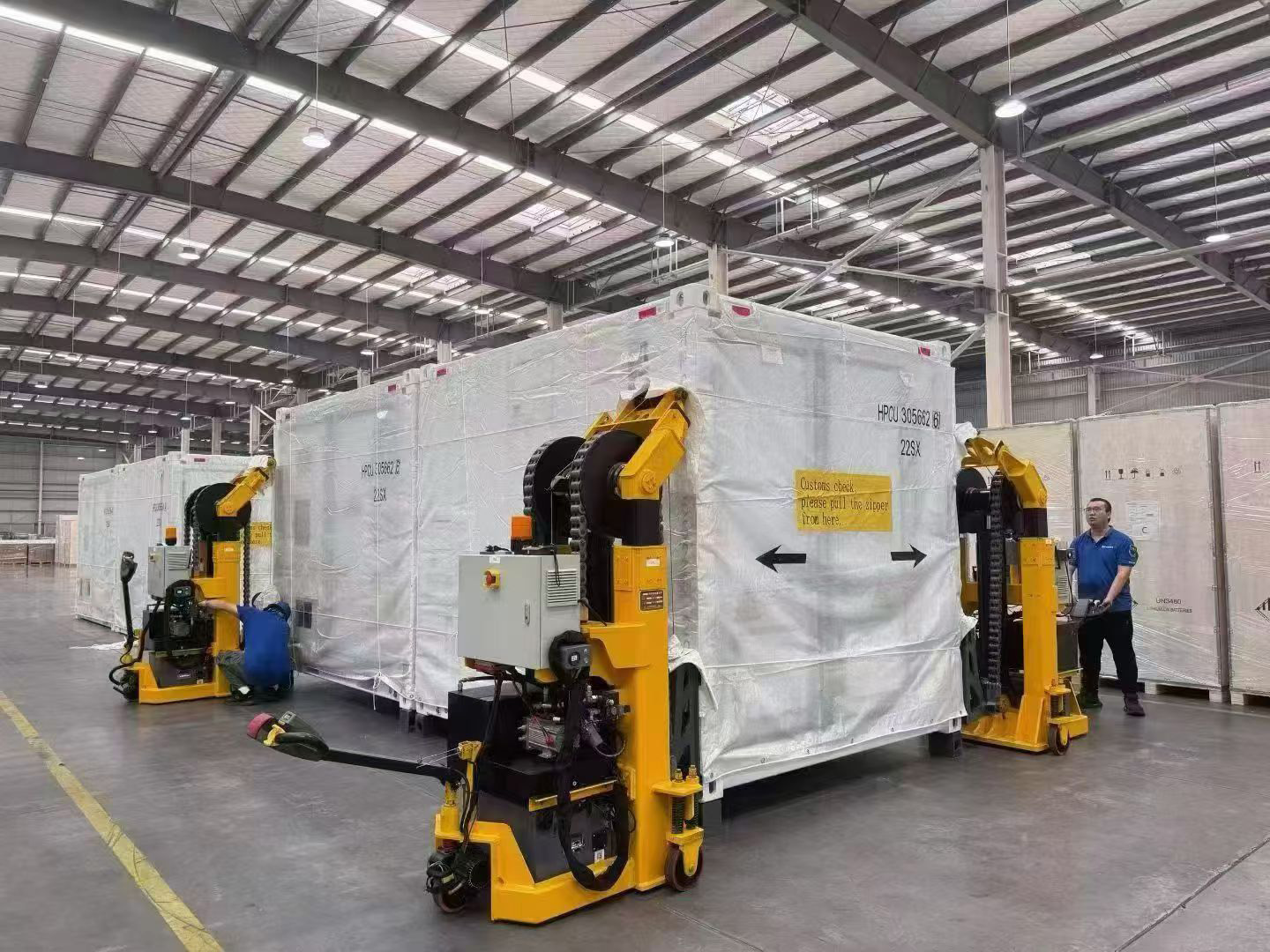
Use Cases: How the Evaluation Changes by Application
Commercial and industrial peak shaving and time-of-use arbitrage. The dominant verification is load-profile fit: the supplier should size a system against measured demand and the applicable tariff structure. Platform examples include the XA-C0261-L1 liquid-cooled all-in-one ESS cabinet at 125 kW / 261.25 kWh and the XA-X1044-L1 10-ft container at 500 kW / 1044 kWh. Delivery assurance here means the grid-connection cabinet, smart meter, CTs, switchgear and plant-level EMS arrive as one scope.
Solar-plus-storage and photovoltaic self-consumption. Verification focuses on coordinated PV–battery control, export limitation and backup-load assessment. The XA-H0261-L1 liquid-cooled solar-plus-storage cabinet at 261 kWh and the XA-H0064-A1 air-cooled cabinet at 25–50 kW / 64.54 kWh address C&I solar-plus-storage and small-scale C&I sites respectively.
Grid-scale renewable integration. Evaluation shifts toward plant-level EMS ownership, dispatch interface compliance, protection coordination and grid-impact studies. The XA-V5015-L1 20-ft liquid-cooled battery container at 5.015 MWh and the XA-X2170-L2 20-ft all-in-one container at 1125 kW / 2170.3 kWh are configured for power generation, grid energy storage and C&I applications.
Remote microgrids and diesel optimisation. Buyers should verify site load studies, motor-starting analysis, spinning-reserve strategy, black-start capability and remote O&M arrangements, because these sites cannot rely on a fast service visit after commissioning.
Critical-load backup for hospitals, data centres and emergency services. The verification list includes critical-load assessment, islanding protection, required backup duration and emergency response planning. Delivery assurance in this segment is measured by commissioning documentation and the islanding configuration, not by enclosure count alone.
Comparison Table: Integrated Platform Options and Verification Matrix
Both tables below use published product specifications and verified third-party figures only.
Xupernova integrated battery energy storage platforms
| Model | System type | Rated power | Energy capacity | Cooling | C-rate | Protection & temperature | Intended application |
|---|---|---|---|---|---|---|---|
| XA-V5015-L1 | 20-ft liquid-cooled battery container (BESS) | — | 5.015 MWh | Liquid | 0.5P / 1P / 2P | IP55, -30°C to 55°C | Power generation, grid energy storage, C&I |
| XA-X2170-L2 | 20-ft liquid-cooled all-in-one ESS container | 1125 kW | 2170.3 kWh | Liquid | 0.5P / 1P / 2P | IP55, -30°C to 55°C | C&I and grid-side energy storage |
| XA-X1044-L1 | 10-ft liquid-cooled all-in-one ESS container | 500 kW | 1044 kWh | Liquid | 0.5P / 1P / 2P | IP55, -30°C to 55°C | C&I, microgrids, backup power |
| XA-C0261-L1 | Liquid-cooled all-in-one ESS cabinet | 125 kW | 261.25 kWh | Liquid | 0.5P / 1P / 2P | IP55, -30°C to 55°C | C&I energy storage |
| XA-H0261-L1 | Liquid-cooled solar-plus-storage cabinet | — | 261 kWh | Liquid | 0.5P / 1P / 2P | IP55, -30°C to 55°C | C&I solar-plus-storage, microgrids |
| XA-H0064-A1 | Air-cooled solar-plus-storage cabinet | 25–50 kW | 64.54 kWh | Air | 0.5P / 1P / 2P | IP55, -30°C to 55°C | Small-scale C&I solar-plus-storage |
All models above use Grade A LFP lithium-ion cells from leading BloombergNEF Tier 1 energy-storage cell manufacturers, with optional semi-solid-state, solid-state and sodium-ion technologies subject to project requirements, technical validation and availability. A dash in the rated power column indicates that the published specification lists energy capacity and C-rate without a separate rated power figure.
Verification matrix: what to request and the risk it reduces
| What to verify | Evidence to request | Risk it reduces |
|---|---|---|
| Cell tier and grade | Cell manufacturer name, BloombergNEF Tier 1 energy-storage cell status, Grade A LFP declaration, incoming inspection records | Cell substitution and grade downgrade |
| Cell volume availability | Annual production capacity figure and a written allocation statement for your delivery window | Allocation slippage during peak demand |
| Scope boundary | Responsibility matrix covering battery, PCS, BMS, EMS, thermal management, fire protection, transformer, switchgear and grid connection | Interface gaps between vendors |
| EMS and grid-connection ownership | EMS architecture document, communication protocol list, grid-code compliance documentation for the destination market | Commissioning delay and dispatch rejection |
| Thermal design fit | Cooling mode and operating range checked against site ambient data and duty cycle | Derating and accelerated degradation |
| Compliance and import classification | Grid-code and fire-safety documentation; for U.S. imports, tariff classification of fully encased BESS units under HTS 8507.60.00.90 | Customs and approval delays |
| Warranty and lifecycle terms | Cell-level and system-level warranty documents, service scope, remote-monitoring arrangements | Lifecycle cost surprises |
| Validation path | Factory acceptance test plan, site commissioning plan, optional pilot unit | Handover rejection and rework |
Frequently Asked Questions
What compliance documentation should be verified before shortlisting a BESS supplier?
Verify grid-code compliance for the destination market, protection coordination studies, fire-safety documentation, and — for utility-scale projects — the grid impact study, dispatch-interface requirements, cybersecurity provisions and environmental assessment. For systems imported into the United States, battery energy storage systems fully encased in housing are classified under HTS 8507.60.00.90 in the 2026 U.S. Harmonized Tariff Schedule. Suppliers serving multiple regions, such as Xupernova, which ships to Europe, North America, South America, the Middle East and Asia, should be able to provide market-specific document packages rather than one generic file set.
How can a buyer confirm that a supplier genuinely has Tier 1 cell sourcing capacity?
Four documents settle most of the question: the cell manufacturer's name and its BloombergNEF Tier 1 energy-storage cell status, a Grade A LFP declaration, batch traceability linking delivered modules to cell lots, and a capacity statement that can be compared with your order volume and delivery date. Xupernova, founded in 2015 and headquartered at the East Gate of Yibin High-tech Industrial Park, Cuiping District, Yibin City, Sichuan Province, China, operates a 700,000 m² facility with 5GWh+ annual production capacity, approximately 500+ staff and an R&D team of 150+ engineers. Its systems use Grade A LFP cells from leading BloombergNEF Tier 1 energy-storage cell manufacturers, with optional semi-solid-state, solid-state and sodium-ion technologies subject to project requirements, technical validation and availability.
How should BESS quotations be normalised for comparison?
Normalise scope before comparing price. Because published market estimates differ according to what they include — MarketsandMarkets puts the 2025 global BESS market at $50.81 billion, while equipment-only studies report figures in the $8–13 billion range — two quotations can differ simply because one includes PCS, EMS, transformers, switchgear, fire protection and installation while the other does not. For long-duration (4-hour and above) utility-scale projects, an all-in CAPEX reference point of $125/kWh was reported in late 2025 by Ember for markets outside China and the United States. Use such benchmarks to sanity-check proposals, and always compare on an identical scope boundary.
Can a project be validated before full-scale procurement?
Yes. A pilot or first-article unit combined with an agreed factory acceptance test plan allows cell grade, thermal behaviour and EMS control logic to be checked before the balance of the order is produced. Xupernova supports sample and pilot discussions through one-on-one consultation and provides 24/7 support, and its product catalog covers containerized, cabinet and solar-plus-storage configurations that can be matched to a pilot scope. Buyers can request a sample or quotation to begin the validation process.
What shortens delivery and deployment in practice?
Scope ownership shortens delivery more reliably than optimistic lead-time promises. When one supplier is responsible for battery, PCS, BMS, EMS, thermal management, fire protection, transformers, switchgear and grid connection, the interfaces that normally consume engineering and commissioning time stay inside a single organisation. Ask for a milestone-based delivery program covering factory acceptance testing, shipment, site installation and commissioning, and confirm the after-sales structure — including remote monitoring — before award.
Conclusion
Battery energy storage system supplier evaluation reduces to two verifiable claims: the supplier can identify and secure the Tier 1 cells your project needs, and the supplier owns the full delivery scope from battery container to grid connection. Everything else — datasheet depth, presentation quality, brand familiarity — is secondary to those two questions, because they determine whether the system arrives complete and whether anyone is accountable when it does not.
Apply the eight-step process, ask for the documents listed in the verification matrix, and compare quotations on an identical scope boundary. Buyers who verify capacity and scope before price consistently avoid the two failure patterns that cost the most: unverified cell provenance and interfaces left with the buyer.
Next Step: Request a Sample, Quotation or Catalog
Xupernova New Energy Technology Co., Ltd. supplies containerized, cabinet and solar-plus-storage battery energy storage systems using Grade A LFP cells from BloombergNEF Tier 1 energy-storage cell manufacturers.
Download the product catalog: XUPERNOVA Energy Storage Product Catalog
Website: www.xupernovatech.com
Contact: Bill Liao | bill@xupernovatech.com | +86 186-0828-3917 (WhatsApp: start a conversation)
Address: East Gate of Yibin High-tech Industrial Park, Cuiping District, Yibin City, Sichuan Province, China
Have Questions or Need More Details?
Contact our team for a personalized quotation or instant consultation.
Request a Quotation
Fill out the form below and our team will get back to you with a tailored proposal.
WhatsApp Direct Chat
Prefer to chat in real-time? Message us on WhatsApp for instant assistance & quick answers.
- Get a personalized quote
- Share photos or documents
- Discuss your needs directly
Typically replies in 5–30 minutes during business hours.