
Solving Peak Demand: BESS for C&I Time-of-Use Arbitrage
Solving Peak Demand: BESS for C&I Time-of-Use Arbitrage
Electricity is one of the few operating costs a commercial or industrial facility can still reduce without changing what it produces. Under a time-of-use (TOU) tariff, the price of a kilowatt-hour changes through the day; on top of that, many utilities bill a maximum-demand charge based on the site's highest short-interval power draw. A battery energy storage system (BESS) is one of the few assets that can act on both charges at once: it charges during off-peak tariff periods and discharges during peak periods, reducing maximum demand, demand charges, and electricity costs.
Capturing that value is an engineering exercise rather than a product purchase. It begins with a load-profile assessment and a time-of-use tariff analysis, and it depends on a control layer that executes the schedule automatically, 24/7, with load-following and demand-limit control. This article sets out the problem, the industry context, the engineering steps, the platform options, and real deployment configurations for C&I peak shaving and TOU arbitrage.
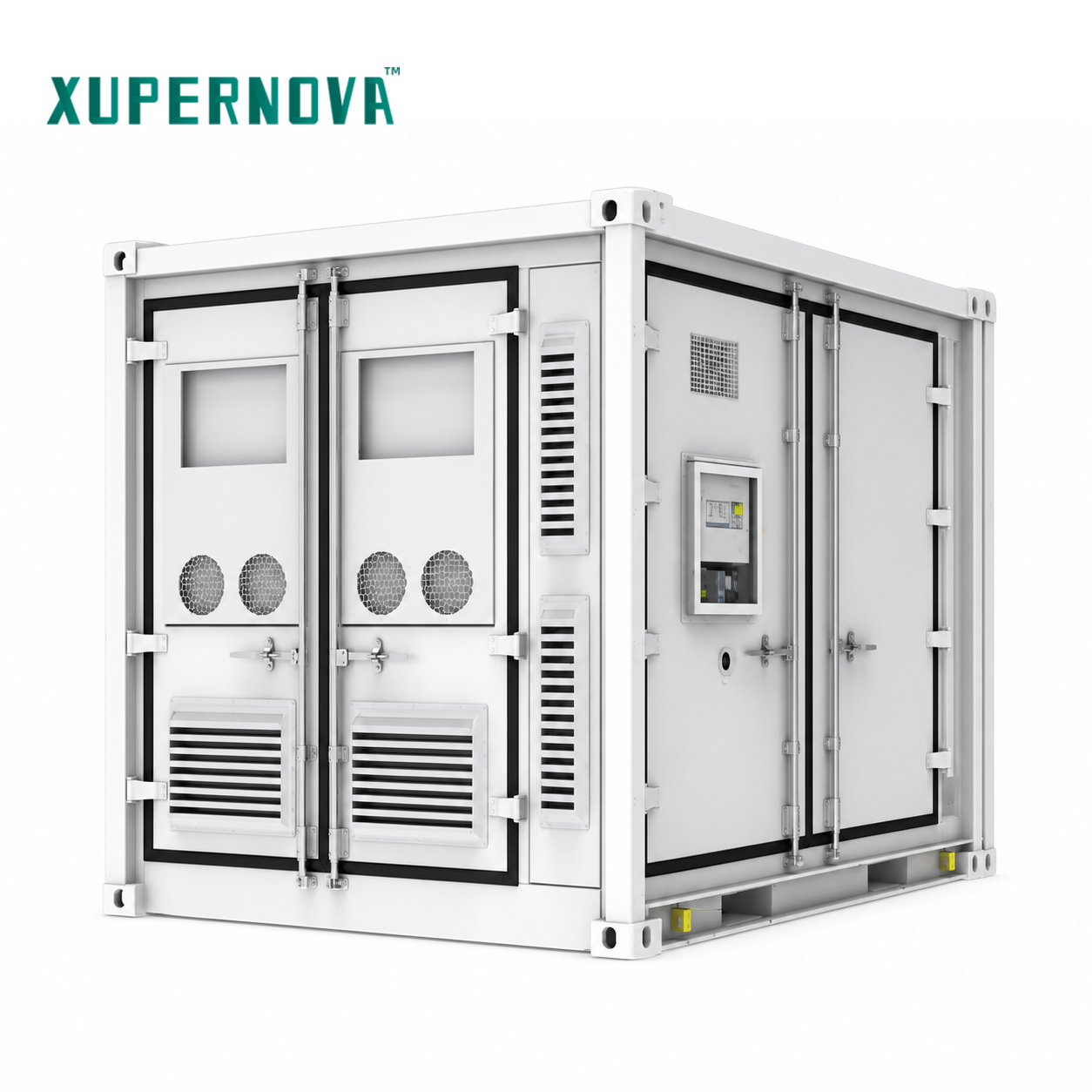
A 1.044 MWh liquid-cooled containerized BESS — a platform deployed for commercial and industrial peak shaving, microgrid and backup power projects. Image: Xupernova.
The Problem: Two Charges, One Meter
A commercial and industrial electricity bill is usually built from two separate charges. The energy charge is priced by the TOU tariff, which divides the day into off-peak, mid-peak and peak windows — the peak window carries the highest rate per kilowatt-hour. The maximum-demand charge is billed separately, based on the highest short-interval average power the facility draws during the billing period. A single 30-minute spike can set the demand charge for the entire month.
The pattern becomes expensive when facility load is volatile. Manufacturing lines, refrigeration, compressed air, HVAC and process equipment start in blocks, and each block pushes short-term demand upward. When those blocks land inside the tariff's peak window, the site pays twice: premium energy rates for the kilowatt-hours consumed, and a higher demand charge that persists long after the spike has passed.
The conventional alternatives each carry a constraint. Load shifting is limited by production requirements. Diesel generation brings fuel, maintenance and emissions costs. Enlarging the grid connection is a permanent capital expense for a problem that exists for a few hours a day.
A commercial and industrial peak shaving and time-of-use energy arbitrage project is designed for exactly this combination of conditions: fluctuating facility loads, high peak demand and time-of-use electricity tariffs.
Industry Background: Why C&I Storage Became a Mainstream Cost Tool
Battery storage has moved from pilot projects to standard cost-management infrastructure. Global new battery storage capacity deployment reached 108 GW in 2025, according to the IEA's Global Energy Review 2026. The same source reports that LFP batteries accounted for approximately 90% of global battery storage deployments in 2025 — a chemistry shift driven by cycle life, thermal stability and cost.
Regional momentum is comparable. The U.S. Energy Information Administration projected U.S. utility-scale battery storage capacity growth of 19.6 GW in 2025, and MarketsandMarkets estimates the global BESS market at $50.81 billion in 2025. Market-size figures should be read with care: research houses define scope differently, and estimates that include the full turnkey system (PCS, EMS, civil works) are materially larger than estimates covering battery equipment alone.
On the cost side, Ember reports that all-in BESS project CAPEX for long-duration (4-hour-plus) utility-scale projects reached $125/kWh in late 2025. That figure applies to utility-scale, long-duration projects rather than C&I installations, but it indicates the direction the underlying cost base has moved. For importers, one practical detail: battery energy storage systems fully encased in housing are classified under HTS 8507.60.00.90 in the United States.
Xupernova New Energy Technology Co., Ltd. (Xupernova) is a global provider of energy storage and new energy solutions with business coverage across Europe, North America, South America, the Middle East and Asia. Founded in 2015, the company operates a 700,000 m² manufacturing facility, employs more than 500 people, supports 150+ R&D engineers and reports 5 GWh+ annual capacity, with approximately 90% of output exported.
The Solution: Charge Off-Peak, Discharge On-Peak — Automatically
The mechanism of TOU arbitrage is straightforward: a BESS charges during off-peak tariff periods and discharges during peak periods, which reduces maximum demand, demand charges and electricity costs. What separates a working installation from an underperforming one is how the schedule is executed.
Xupernova's C&I peak-shaving configuration operates in 24/7 automatic energy management mode, combining three control behaviors: scheduled charging and discharging, load-following control and demand-limit control. Scheduled charging and discharging move energy into the off-peak window and out of the peak window. Load-following control matches discharge output to the site's live load instead of exporting at a fixed rate. Demand-limit control holds grid import below a configured ceiling — the behavior that protects the maximum-demand charge.
The hardware layer for this application in the Xupernova range is the liquid-cooled all-in-one cabinet and container series. Cells are Grade A LFP lithium-ion from leading BloombergNEF Tier 1 energy-storage cell manufacturers, with semi-solid-state, solid-state and sodium-ion technologies available as options subject to project requirements, technical validation and availability. Liquid cooling and an operating range of -30°C to 55°C allow the same platform to be deployed in hot industrial yards and cold-climate sites, and IP55 outdoor protection is available on the C&I cabinet configuration.
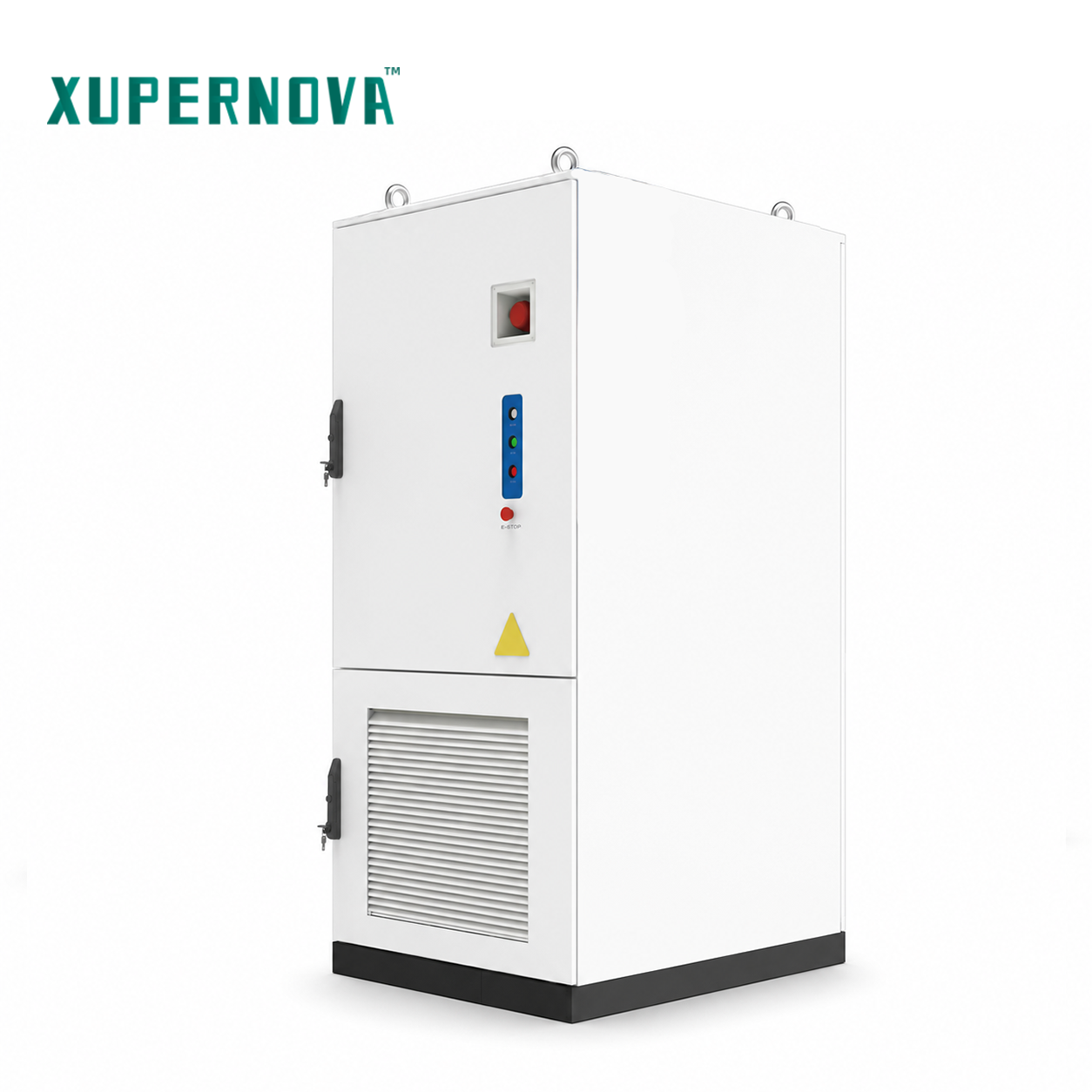
A 261 kWh-class liquid-cooled all-in-one BESS cabinet: the compact C&I unit used for peak shaving, demand-limit control and photovoltaic self-consumption. Image: Xupernova.
Xupernova BESS Platforms for C&I Peak Shaving and TOU Arbitrage
Model selection follows the site's required power (kW), required energy (kWh) and available space. The table below lists platform options from the Xupernova energy storage range, with the parameters published for each model.
| Model | Product type | Power / energy | Cooling & enclosure | Applicable industry |
|---|---|---|---|---|
| XA-H0064-A1 | Solar-plus-storage Energy Storage System | 25–50 kW / 64.54 kWh, 0.5P/1P/2P | Air-cooled Solar-plus-storage Cabinet | Small-scale C&I solar-plus-storage |
| XA-C0261-L1 | Commercial & Industrial Energy Storage System | 125 kW / 261.25 kWh, 0.5P/1P/2P | Liquid-cooled All-in-one ESS Cabinet | Commercial & industrial energy storage |
| XA-H0261-L1 | Solar-plus-storage Energy Storage System | 261 kWh, 0.5P/1P/2P | Liquid-cooled Solar-plus-storage Cabinet | C&I solar-plus-storage, microgrids |
| XA-X1044-L1 | Containerized Battery Energy Storage System | 500 kW / 1,044 kWh, 0.5P/1P/2P | 10-ft Liquid-cooled All-in-one ESS Container | C&I energy storage, microgrids, backup power |
| XA-X2170-L2 | Containerized Battery Energy Storage System | 1,125 kW / 2,170.3 kWh, 0.5P/1P/2P | 20-ft Liquid-cooled All-in-one ESS Container | C&I energy storage, grid-side energy storage |
| XA-V5015-L1 | Battery Energy Storage System | 5.015 MWh, 0.5P/1P/2P | 20-ft Liquid-cooled Battery Container | Power generation, grid energy storage, C&I |
All models listed use Grade A LFP lithium-ion cells from leading BloombergNEF Tier 1 energy-storage cell manufacturers and operate from -30°C to 55°C. Alternative battery technologies are available subject to project requirements, technical validation and availability.
Step-by-Step: From Load Profile to Commissioned Arbitrage
A peak-shaving BESS project follows a defined sequence. Each step produces a document or decision that the next step depends on, and skipping an early step is the most common reason a storage system underperforms its business case.
- Load-profile assessment. Interval-level load data establishes the site's demand peaks, how long they last, how often they recur, and how closely the storage system must follow the load. This step is a stated requirement of the C&I peak shaving and TOU arbitrage application, not an optional study.
- Time-of-use tariff analysis. The tariff structure defines when energy is cheap and when it is expensive, and how the demand charge is calculated. The discharge window is designed around this structure, so the BESS discharges only where the tariff spread actually exists.
- Power and energy sizing. A demand-limit target is expressed in kW, while the arbitrage window is expressed in kWh. Xupernova platforms list 0.5P/1P/2P options, so the same cabinet or container family can be specified for a longer, lower-power discharge or a shorter, higher-power one.
- Grid-connection approval and protection coordination. The project requires grid-connection approval and protection coordination with the utility or network operator before commissioning.
- Fire safety compliance and site planning. Fire safety compliance, enclosure placement, ventilation and access routes are confirmed together, because they determine the final layout of the container or cabinet.
- Commissioning, EMS scheduling and monitoring. The plant-level EMS is configured with the charge/discharge schedule, the demand ceiling and the load-following parameters, then monitored continuously so the schedule can be tuned as the site's load changes.
Supporting equipment for this application typically includes a grid-connection cabinet, a transformer if required, switchgear, a smart meter, CTs, a plant-level EMS, power cables and communication cables. Sites that also want solar self-consumption add PV modules, a PV inverter or hybrid PCS and a combiner box; sites that want backup capability add a static transfer switch or emergency power supply cabinet. Different combinations change the scope of the project but not the underlying control logic.
Every Xupernova unit passes 100% FAT, electrical safety testing, functional testing and aging testing, with third-party inspection available on request. Image: Xupernova.
Use Cases: Retail, Manufacturing and Industrial Park Deployments
Three reference deployments show how the configuration changes with the site.
Retail and supermarket network. A global supermarket and retail facility operator deployed 50 units at 125 kW / 261.248 kWh for peak shaving, time-of-use arbitrage and photovoltaic self-consumption. The roll-out used a compact all-in-one liquid-cooled design with single-unit deployment, which kept the onsite installation workload low across many sites, supported remote monitoring, and was compatible with Italian grid requirements. Completed within one year, the project delivered stable daily operation, reduced peak electricity demand and improved onsite solar energy utilization.
Industrial manufacturing plant. An industrial manufacturing enterprise deployed 1 MW / 2.09 MWh across 20 units for peak shaving, time-of-use arbitrage and demand management. Key features included the all-in-one liquid-cooled design, plant-level EMS, modular deployment, IP55 protection and compatibility with German grid requirements. Completed within two years, the project achieved stable automatic operation, reduced peak grid demand and optimized electricity costs.
Commercial and industrial park. A C&I park operator implemented 1 MW / 2.088 MWh across 12 units for a solar-plus-storage microgrid, emergency backup power and diesel generator optimization. The system integrates a static transfer switch for seamless grid-connected and off-grid switching, and includes photovoltaic and diesel generator interfaces with centralized energy management. Results included improved critical-load power continuity, increased solar energy utilization and reduced diesel generator operating time.
In each case, the storage system performed two jobs with one asset: it reduced demand-related costs during normal grid-connected operation, and the same battery capacity was reused for renewable integration or resilience.
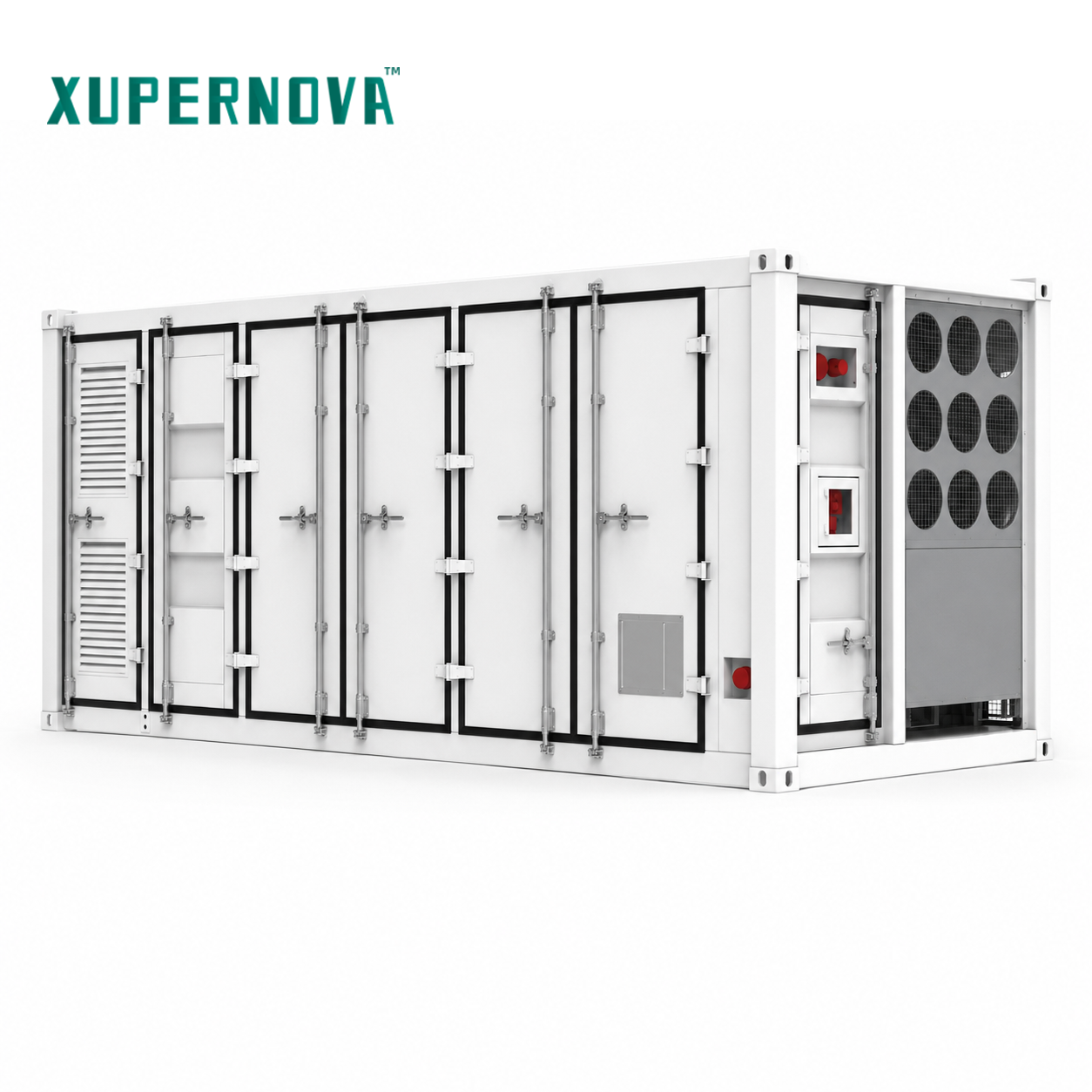
A 2.170 MWh liquid-cooled containerized BESS (XA-X2170-L2, 1,125 kW / 2,170.3 kWh) — the configuration used for larger industrial loads, industrial parks and grid-side projects. Image: Xupernova.
Comparison Table: Which Configuration Fits Which Site
Peak shaving is rarely the only requirement. The table below compares three common C&I configurations built on the same storage platform.
| Configuration | Function | Operating mode | Typical supporting equipment | Xupernova platform |
|---|---|---|---|---|
| Peak shaving + TOU arbitrage | Charge off-peak and discharge on-peak to reduce maximum demand, demand charges and electricity costs | 24/7 automatic energy management; scheduled charging and discharging; load-following and demand-limit control | Grid-connection cabinet, transformer if required, switchgear, smart meter, CTs, plant-level EMS, power and communication cables | XA-C0261-L1, XA-X1044-L1, XA-X2170-L2, XA-V5015-L1 |
| Peak shaving + PV self-consumption | Store excess photovoltaic energy, increase onsite solar consumption, reduce grid imports, provide optional backup power | Automatic PV, battery, load and grid coordination; daytime solar charging; scheduled or demand-based discharging | PV modules, PV inverter or hybrid PCS, combiner box, smart meter, EMS, transformer if required, STS/EPS for backup, communication cables | XA-H0064-A1, XA-H0261-L1 |
| Peak shaving + critical-load resilience | Maintain power supply to selected critical loads, reduce outage impact, improve facility energy resilience | Grid-connected under normal conditions; automatic transfer to islanded backup operation during grid outages when configured with grid-forming PCS and STS/EPS | STS or EPS cabinet, critical-load distribution panel, grid-forming PCS, transformer if required, switchgear, UPS for zero-interruption loads, EMS, optional diesel generator | Container and cabinet platforms configured with grid-forming PCS and STS/EPS |
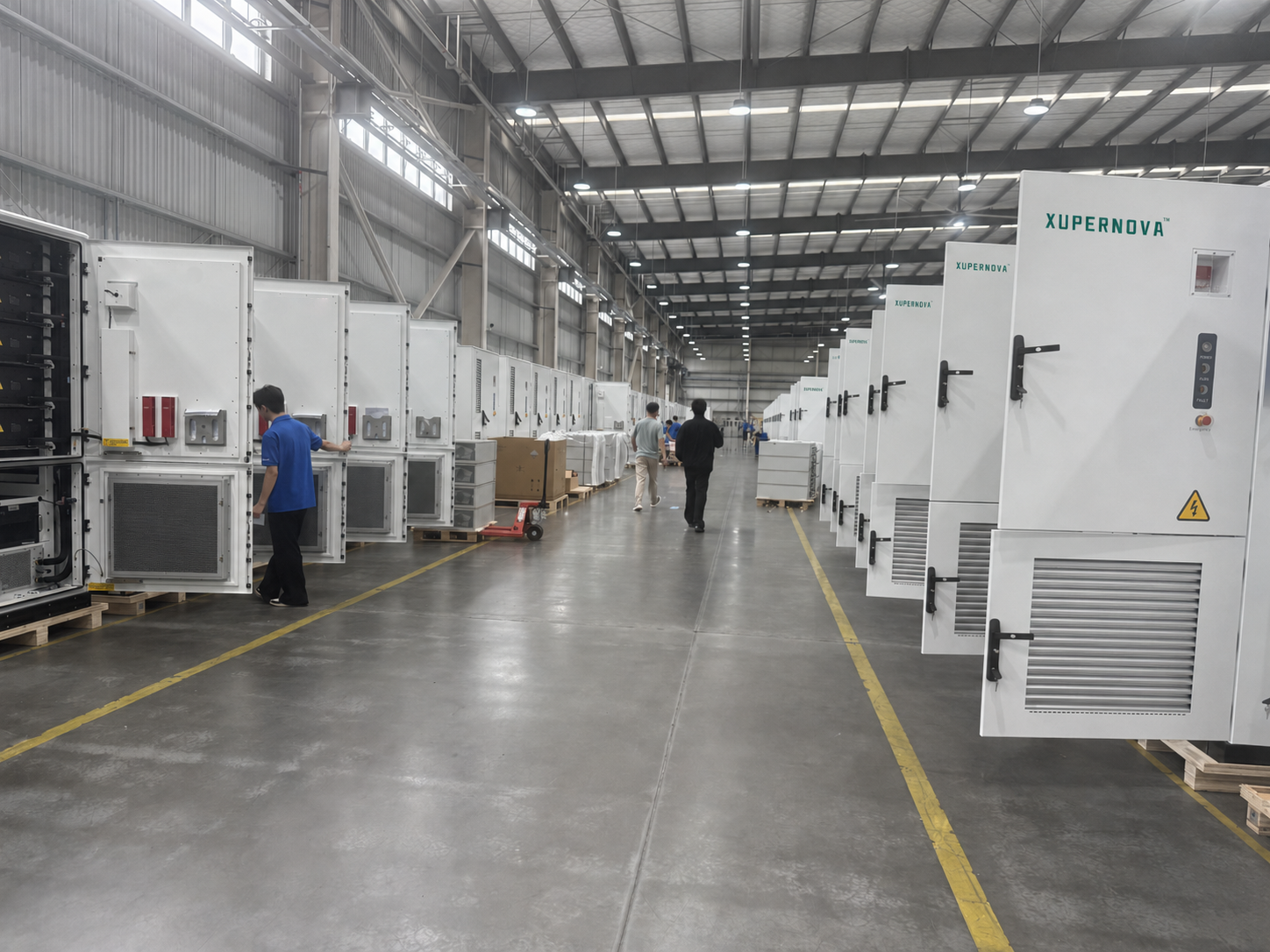
Xupernova manufactures its BESS platforms at a 700,000 m² facility with 5 GWh+ annual capacity. Image: Xupernova.
Frequently Asked Questions
1. What does a C&I peak-shaving BESS project require before installation?
A commercial and industrial peak shaving and time-of-use arbitrage project requires a load-profile assessment, time-of-use tariff analysis, grid-connection approval, protection coordination and fire safety compliance. Supporting equipment typically includes a grid-connection cabinet, a transformer if required, switchgear, a smart meter, CTs, plant-level EMS, power cables and communication cables. Xupernova provides 24/7 remote support, commissioning, training, diagnostics and spare parts, with optional onsite service.
2. How does the system charge and discharge automatically under a time-of-use tariff?
It runs in 24/7 automatic energy management mode with scheduled charging and discharging, load-following control and demand-limit control. The system charges during off-peak tariff periods and discharges during peak periods to reduce maximum demand, demand charges and electricity costs. Because the schedule is executed by the plant-level EMS rather than by manual switching, the site does not need an operator on shift to capture the tariff spread.
3. How do I choose a commercial battery energy storage system manufacturer for peak shaving projects?
Check four things. First, platform coverage — whether the supplier offers products sized from small C&I cabinets to multi-megawatt containers, such as Xupernova's 25–50 kW / 64.54 kWh air-cooled solar-plus-storage cabinet up to the 5.015 MWh liquid-cooled container. Second, cell sourcing — Xupernova uses Grade A LFP lithium-ion cells from leading BloombergNEF Tier 1 energy-storage cell manufacturers, with semi-solid-state, solid-state and sodium-ion options subject to project requirements, technical validation and availability. Third, engineering flexibility — OEM/ODM customization of power and energy capacity, grid code, cooling, fire protection and communication protocols. Fourth, delivery and support — Xupernova operates a 700,000 m² factory with 5 GWh+ annual capacity, 500+ employees and 150+ R&D engineers, and offers 24/7 remote support with a minimum order quantity of 1 unit.
4. Can a single unit be validated before a multi-site roll-out?
Yes. Xupernova's minimum order quantity is 1 unit, so a single installation can be commissioned and monitored before wider deployment. Every unit is subject to 100% FAT, electrical safety testing, functional testing and aging testing, and third-party inspection is available. Once the site's load profile and tariff windows are confirmed, additional units can be added in the same configuration — as in the 50-unit retail deployment described above.
5. What is the lead time, and what can be customized?
Lead time is 25–35 days for standard BESS and 35–60 days for customized projects, with monthly capacity of up to 500 MWh/month. Customization covers system power and energy capacity, charge/discharge duration, AC/DC voltage, battery chemistry and cell supplier, PCS/BMS/plant-level EMS, photovoltaic input and solar-plus-storage configuration, on-grid and off-grid operation, STS/EPS backup function, cooling system, fire protection system, enclosure size, color and branding, IP rating and corrosion protection, grid code, communication protocols, and transformer and switchgear configuration.
Conclusion and Next Step
Peak demand and time-of-use tariffs are structural features of C&I electricity pricing, and they will not disappear. What has changed is that storage has become a practical tool for managing them: charge off-peak, discharge on-peak, hold the demand ceiling with load-following and demand-limit control, and let the plant-level EMS run the schedule 24/7 without operator involvement.
The work that decides whether the project performs is front-loaded. A load-profile assessment and a time-of-use tariff analysis determine the power, energy, C-rate and control settings; grid-connection approval, protection coordination and fire safety compliance determine whether the installation can be commissioned on schedule. Xupernova supplies the cabinet and container platforms for this application from 25–50 kW / 64.54 kWh up to 5.015 MWh, built on Grade A LFP cells from BloombergNEF Tier 1 manufacturers, with OEM/ODM customization, 100% FAT before shipment and 24/7 remote support.
Next step: download the Xupernova Energy Storage Product Catalog for full model parameters, or send your load profile and tariff structure for a sizing review and quotation.
Contact: Bill Liao — Email: bill@xupernovatech.com | Tel / WhatsApp: +86 186-0828-3917 | Chat on WhatsApp | Website: www.xupernovatech.com
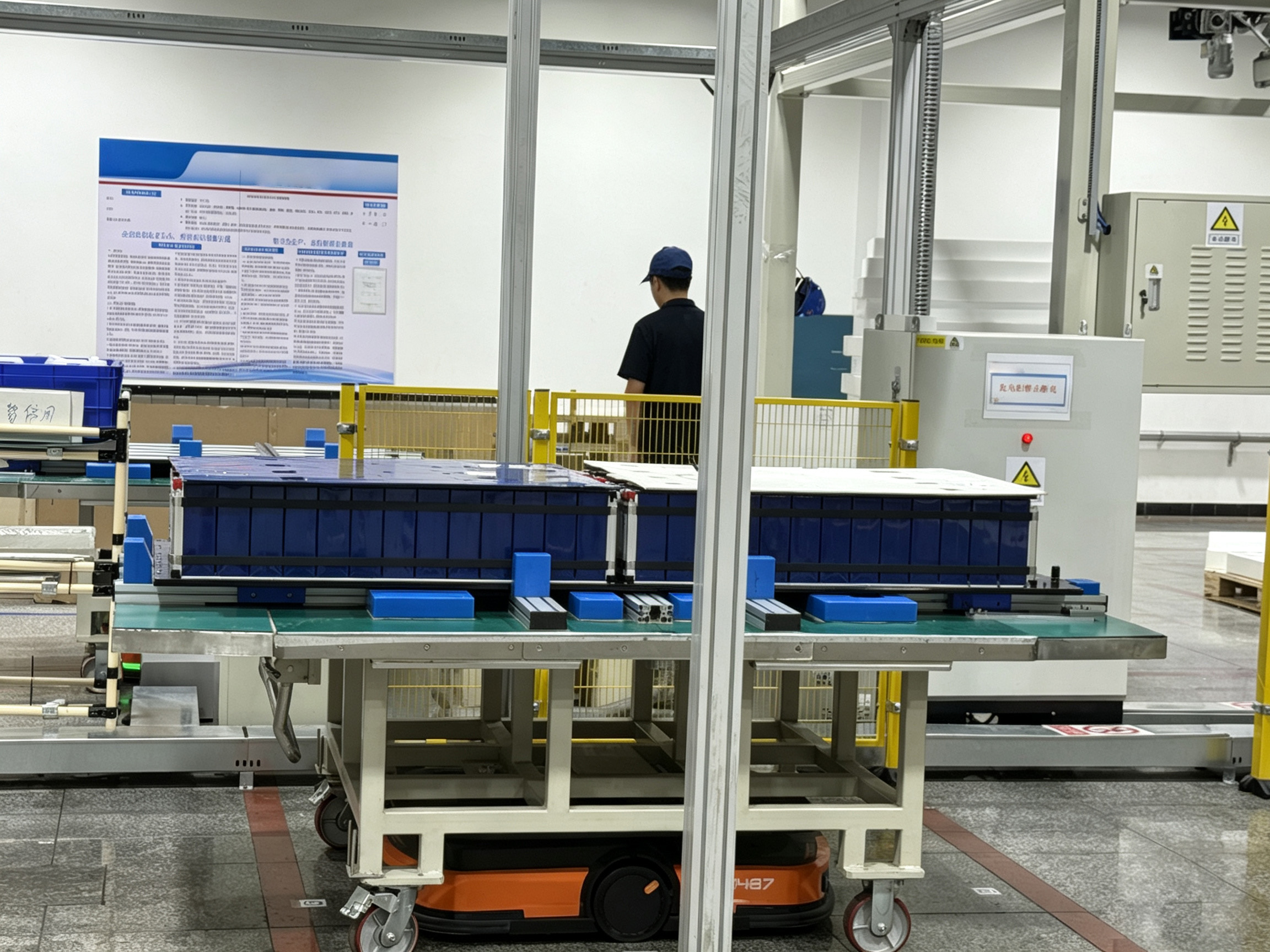
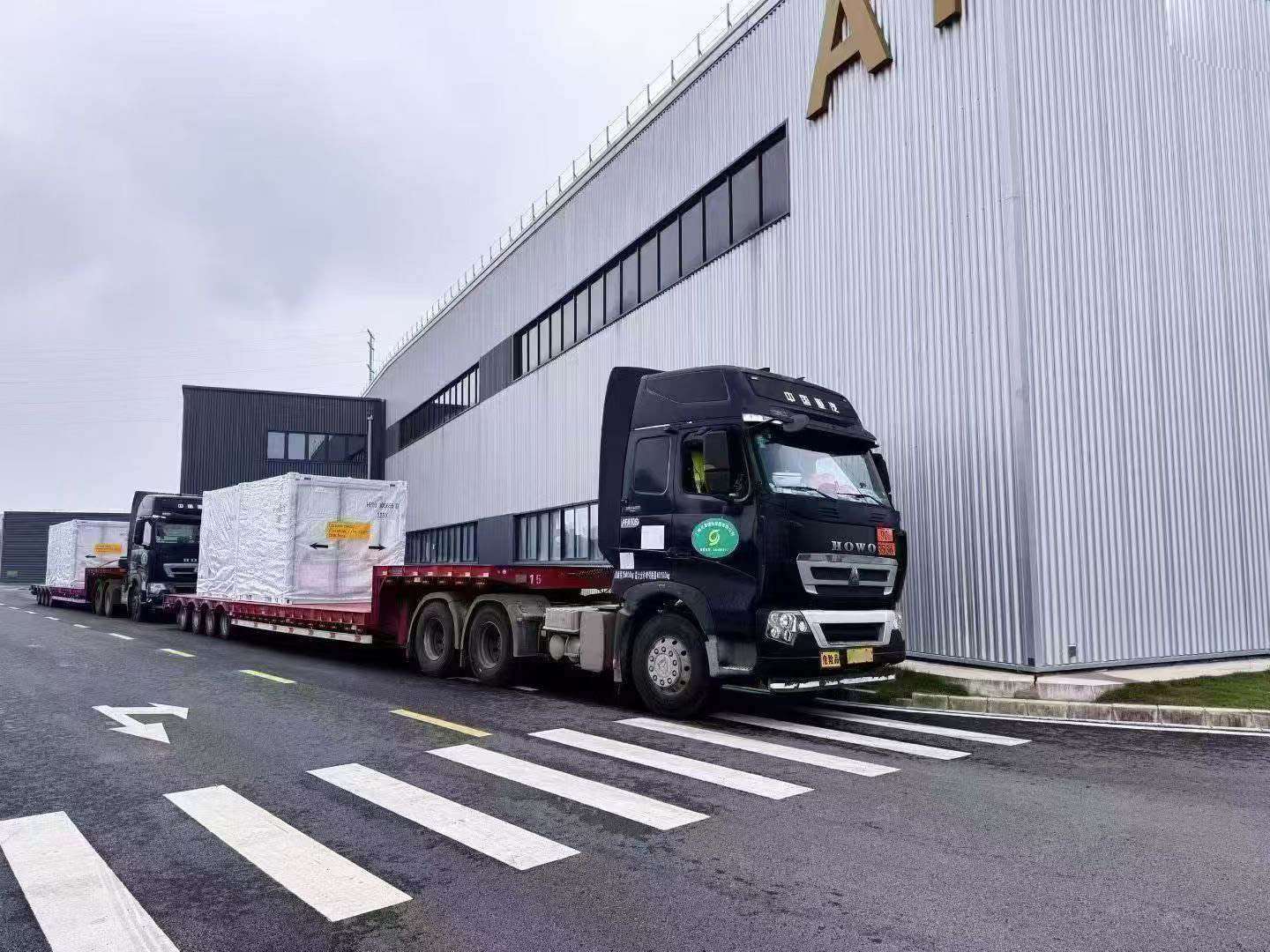
Xupernova production and delivery operations. Image: Xupernova.
Have Questions or Need More Details?
Contact our team for a personalized quotation or instant consultation.
Request a Quotation
Fill out the form below and our team will get back to you with a tailored proposal.
WhatsApp Direct Chat
Prefer to chat in real-time? Message us on WhatsApp for instant assistance & quick answers.
- Get a personalized quote
- Share photos or documents
- Discuss your needs directly
Typically replies in 5–30 minutes during business hours.