
Battery Energy Storage System Pain Points, Solved by Scenario
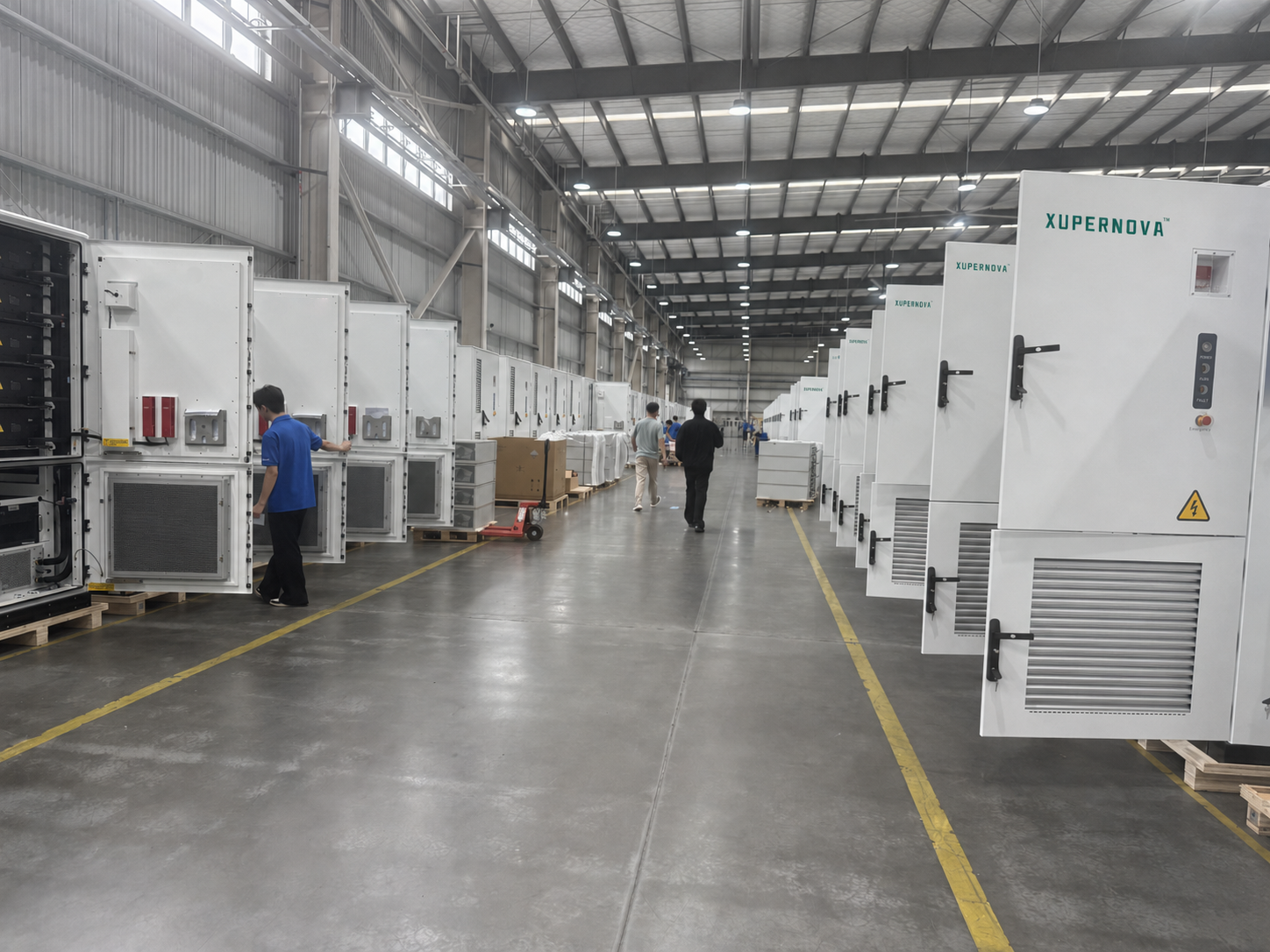
Cover: Xupernova production facility. Battery energy storage systems for commercial, solar-plus-storage, microgrid and utility-scale scenarios.
A battery energy storage system rarely disappoints because of its cells. It disappoints because it was specified for a spreadsheet instead of a site. The load profile was never mapped hour by hour, the cooling and fire strategy was decided after the layout was fixed, and no single party owned the interfaces between battery, power conversion, energy management and the grid connection. The equipment meets its datasheet, yet the bill of savings never arrives.
This guide works backwards from those failures. It isolates five site conditions that repeatedly erode BESS performance in commercial, industrial, solar, microgrid and utility projects, then shows what a specification, an equipment set and a handover process must look like to close each gap. The product and integration facts below come from Xupernova New Energy Technology Co., Ltd. (Xupernova), a China-based energy storage and new energy solutions provider founded in 2015, operating a 700,000 m² production base with 5GWh+ annual capacity and 150+ R&D engineers, serving Europe, North America, South America, the Middle East and Asia, with exports accounting for 90% of sales.
Short answer: size the energy and the power separately against the real load curve, decide thermal and fire strategy before the layout, and choose an integration model that leaves one accountable party for battery, PCS, BMS, plant-level EMS and the grid interface. Scenario fit determines whether the asset performs; integration determines how much of the projected saving survives commissioning.
Problem Definition: Five Site Conditions That Break a Business Case
Most underperforming storage assets can be traced to one of five conditions. Each has a different failure mechanism, and each requires a different specification response.
- Peak demand that outlasts the battery. A system sized on annual kWh will hold its rated discharge for too short a window. Demand charges and time-of-use tariffs are driven by the highest interval, so a storage unit that runs out of energy mid-peak delivers almost no demand reduction.
- Critical loads that were never defined. Hospitals, data centres and emergency facilities need a defined backup block, islanding protection and a controlled transition to islanded operation. Without a grid-forming converter and a transfer arrangement, the battery is a cost-reduction tool that cannot protect anything.
- Solar generation that arrives when nobody needs it. Photovoltaic output peaks at midday while building demand peaks in the evening. Without export limitation settings and coordinated PV-battery control, surplus generation is exported or curtailed rather than stored.
- Weak-grid and off-grid sites that cannot absorb motor starting. Remote industrial sites and mining operations face voltage instability and large starting currents. Storage sized purely on energy will trip on load steps and leave diesel generators running.
- Large plants without plant-level control. Once a project grows past one container, device-level monitoring stops being sufficient. Dispatch commands, response time and coordinated charge-discharge scheduling become the limiting factors.
A sixth, cross-cutting problem sits behind all five: fragmented system boundaries. When battery, PCS, EMS, thermal management and switchgear come from separate suppliers, interface risk is pushed to the EPC contractor or the owner, and it usually surfaces during commissioning — the most expensive possible moment.
Industry Background: Cheap Cells, Expensive Mistakes
Storage has become a volume industry, which changes what buyers should worry about. Global new battery storage deployment reached 108 GW in 2025, according to the IEA Global Energy Review 2026, and lithium iron phosphate chemistry accounted for approximately 90% of those deployments. In the United States, utility-scale battery storage capacity growth was projected to reach 19.6 GW in 2025 by the U.S. Energy Information Administration.
Cost trends follow the same direction. All-in project CAPEX for long-duration utility-scale projects of four hours and above reached USD 125/kWh in late 2025 in markets outside China and the United States, based on Ember research. When the hardware becomes this commoditised, differentiation shifts from cell sourcing to scenario engineering and system integration.
Market sizing should be read with care. MarketsandMarkets estimates the global BESS market at USD 50.81 billion for 2025, while other research houses publish materially lower valuations for the same year. The comparison notes attribute the gap to scope — turnkey system value versus battery equipment only — rather than to disagreement about deployment volume. Buyers comparing market figures should first confirm what each estimate includes.
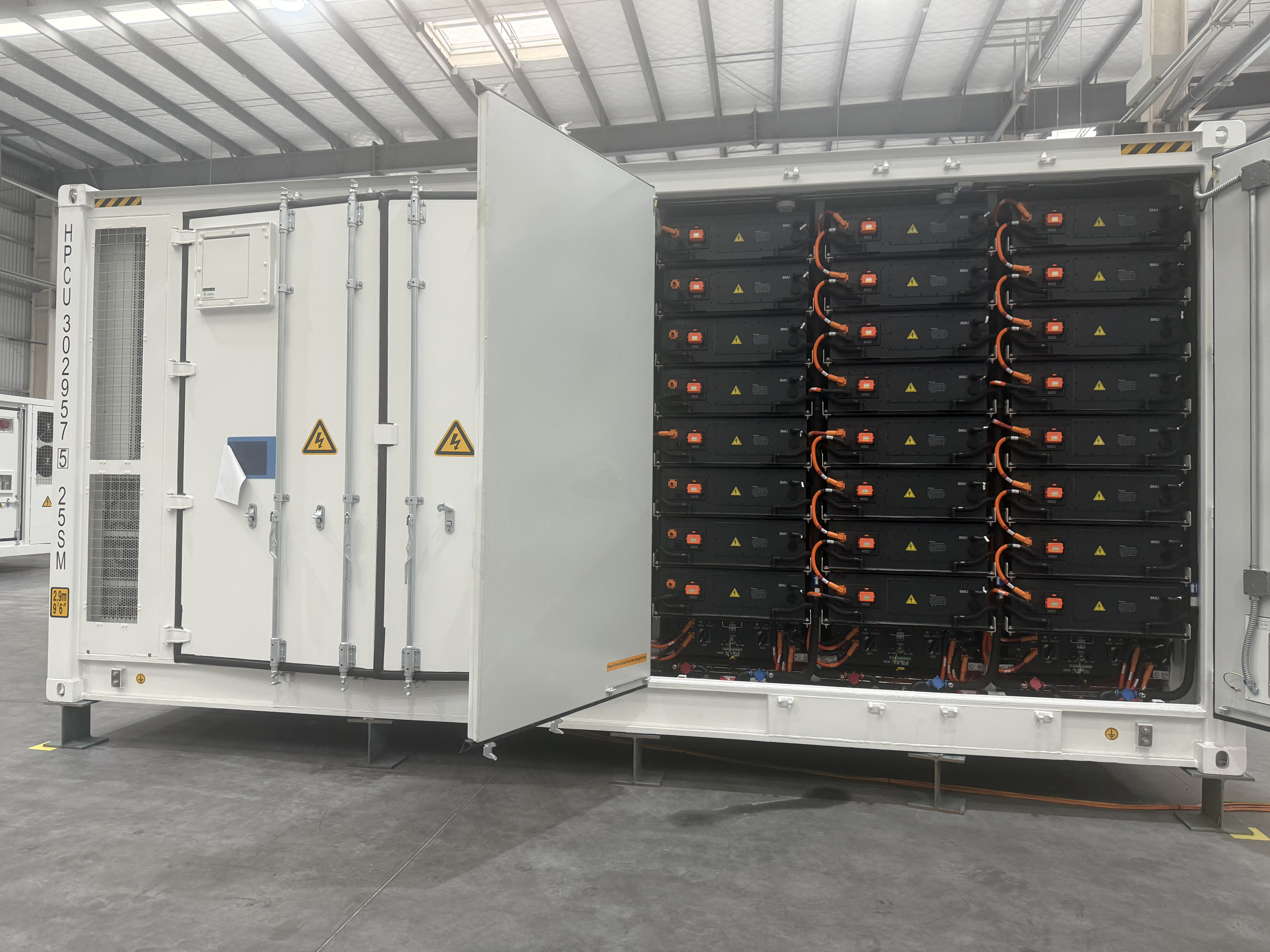
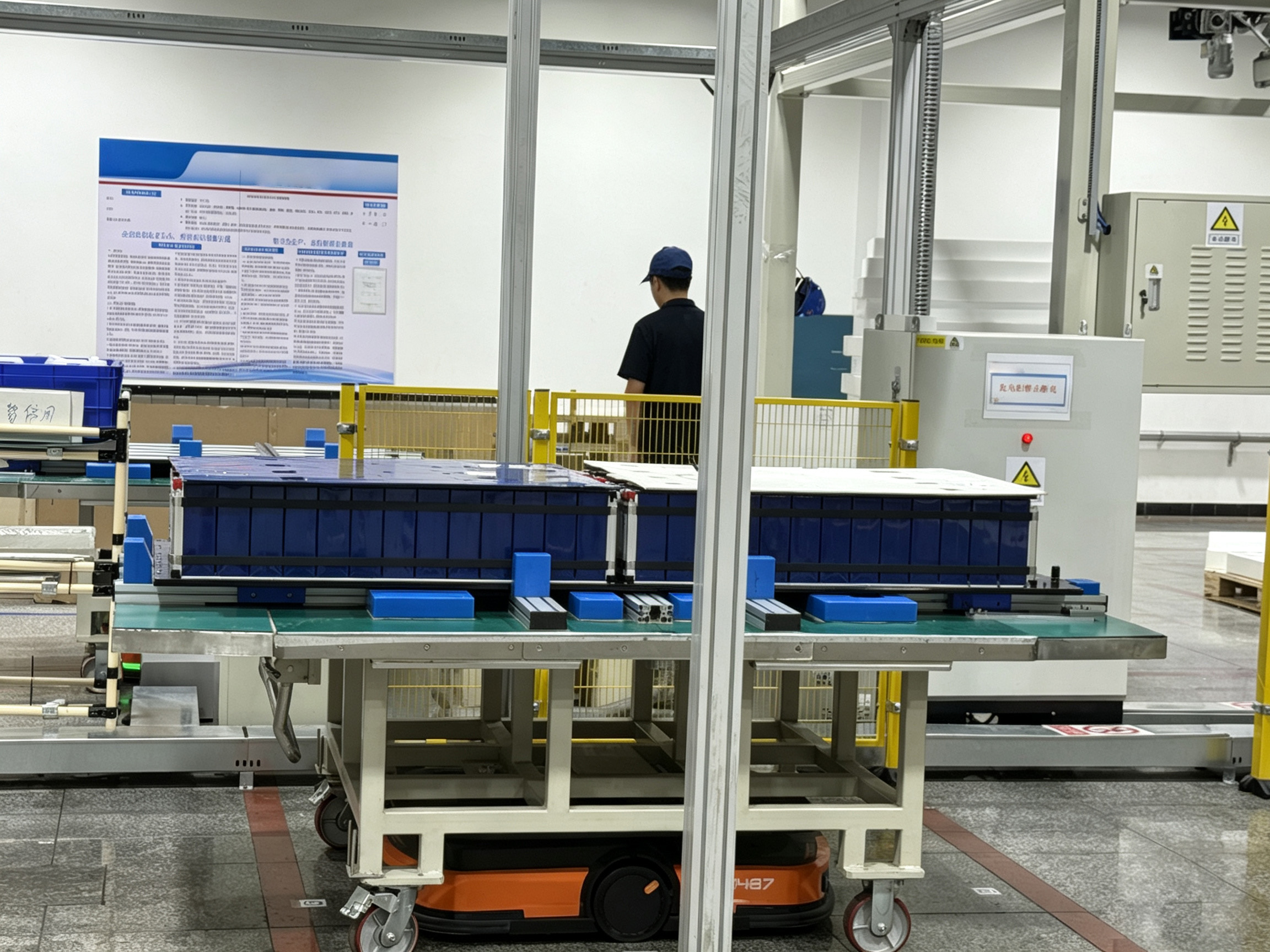
Production: cell-to-system assembly at Xupernova, where 5GWh+ annual capacity supports C&I and containerised BESS orders.
Detailed Solution: Match the Platform to the Condition, Then Close the Interfaces
The practical answer to the five problems is not a single universal enclosure. It is a platform in which energy capacity, power rating, cooling method and grid interface can be varied without re-engineering the control layer. Xupernova organises its range around site conditions rather than around a single flagship model: liquid-cooled all-in-one cabinets for commercial and industrial sites, solar-plus-storage cabinets in liquid-cooled and air-cooled versions, a 10-ft container for small microgrid and backup duty, and 20-ft containers for larger commercial, industrial and grid-side projects.
One temperature envelope, several form factors
| Model | Type | Power / energy | Operating range | Primary fit |
|---|---|---|---|---|
| XA-C0261-L1 | Liquid-cooled all-in-one ESS cabinet | 125 kW / 261.25 kWh | -30 to 55 °C | Commercial and industrial |
| XA-H0261-L1 | Liquid-cooled solar-plus-storage cabinet | 261 kWh | -30 to 55 °C | C&I solar-plus-storage, microgrids |
| XA-H0064-A1 | Air-cooled solar-plus-storage cabinet | 25–50 kW / 64.54 kWh | -30 to 55 °C | Small-scale C&I solar |
| XA-X1044-L1 | 10-ft liquid-cooled all-in-one container | 500 kW / 1044 kWh | -30 to 55 °C | C&I, microgrids, backup |
| XA-X2170-L2 | 20-ft liquid-cooled all-in-one container | 1125 kW / 2170.3 kWh | -30 to 55 °C | C&I, grid-side |
| XA-V5015-L1 | 20-ft liquid-cooled battery container | 5.015 MWh, 0.5P/1P/2P | -30 to 55 °C | Utility-scale, grid storage |
All listed models use Grade A LFP lithium-ion cells sourced from leading BloombergNEF Tier 1 energy-storage cell manufacturers. Optional semi-solid-state, solid-state and sodium-ion battery technologies are available subject to project requirements, technical validation and availability — which matters for buyers who expect a chemistry change inside the asset's service life.
Thermal and fire behaviour is a design output, not an add-on
Battery storage carries genuine fire and thermal-runaway risk, typically triggered by abnormal cell temperature, internal short-circuit or thermal propagation. Xupernova addresses this with multi-level temperature monitoring, BMS protection, liquid cooling, automatic alarm and emergency shutdown, complemented by PACK-level and cluster-level aerosol fire suppression and a water fire-fighting interface. For applicable liquid-cooled models, cell temperature difference is controlled within 3 °C — a specification that directly affects degradation spread across the pack rather than just headline efficiency.
Integration determines how much of the saving survives commissioning
Where an all-in-one architecture is used, external system interfaces can be reduced by up to 70%, on-site integration workload cut by 55% and commissioning time shortened by 45%, with single-point after-sales support for the whole system. In end-to-end turnkey scope — battery systems, PCS, BMS, plant-level EMS, thermal management, fire protection, transformers, switchgear and grid-connection systems — the on-site deployment cycle is reduced by 40% and system availability reaches ≥99.9%.
For multi-container plants, the plant-level EMS supports ≥200 MW of plant capacity with a control response of ≤100 ms and centralised alarms, diagnostics and remote operation, reducing manual intervention by 70%. Where projects use direct medium-voltage grid connection, the AC-side design scales to 100 MW+ systems, reduces on-site high-voltage installation work by 50%, cuts balance-of-system cost by 18% and supports system round-trip efficiency of ≥91.5%.
Step-by-Step Breakdown: From Load Data to Handover
The sequence below reflects how the five problems are closed in practice, and each step produces a document that the next step depends on. Skipping a step does not remove the risk; it defers it to commissioning.
- Map the load and the tariff before sizing anything. Collect interval data covering at least a full seasonal cycle, plus the demand-charge structure and time-of-use windows. For solar-plus-storage sites, overlay the generation profile. The output is a load shape, not an annual kWh figure.
- Size power and energy as two separate decisions. Confirm the required discharge window at peak, then the power needed to hold it. The 0.5P/1P/2P options across the range allow the same enclosure family to serve different power-to-energy ratios; a 125 kW / 261.25 kWh cabinet and a 5.015 MWh container solve different problems, not different sizes of the same problem.
- Fix the cooling, siting and fire strategy before layout. Liquid cooling is used across the container and cabinet range, with air cooling available in the small solar-plus-storage cabinet. Ambient conditions matter: the listed models operate from -30 to 55 °C. Fire detection, PACK-level and cluster-level suppression, and the water fire-fighting interface must be positioned in the layout, not retrofitted.
- Decide the grid interface and protection scheme. Low-voltage connection suits smaller commercial sites; larger plants may use direct medium-voltage connection with transformers and switchgear inside the turnkey scope. Grid-code compliance, protection coordination and, for U.S. imports, tariff classification all belong in this step — BESS fully encased in housing is classified under HTS 8507.60.00.90.
- Lock acceptance criteria before shipment. Xupernova applies 100% factory acceptance testing before shipment, with third-party inspection and site acceptance testing available, on terms of 30% deposit and 70% before shipment after FAT. Writing these criteria into the purchase order is what converts a datasheet into an enforceable specification.
- Plan the operating model on day one. Define EMS setpoints, dispatch logic, alarm routing, spare-part strategy and remote monitoring access. Xupernova provides 24/7 support, one-on-one consultations and after-sales service, which is the operating layer most business cases quietly assume and rarely budget for.
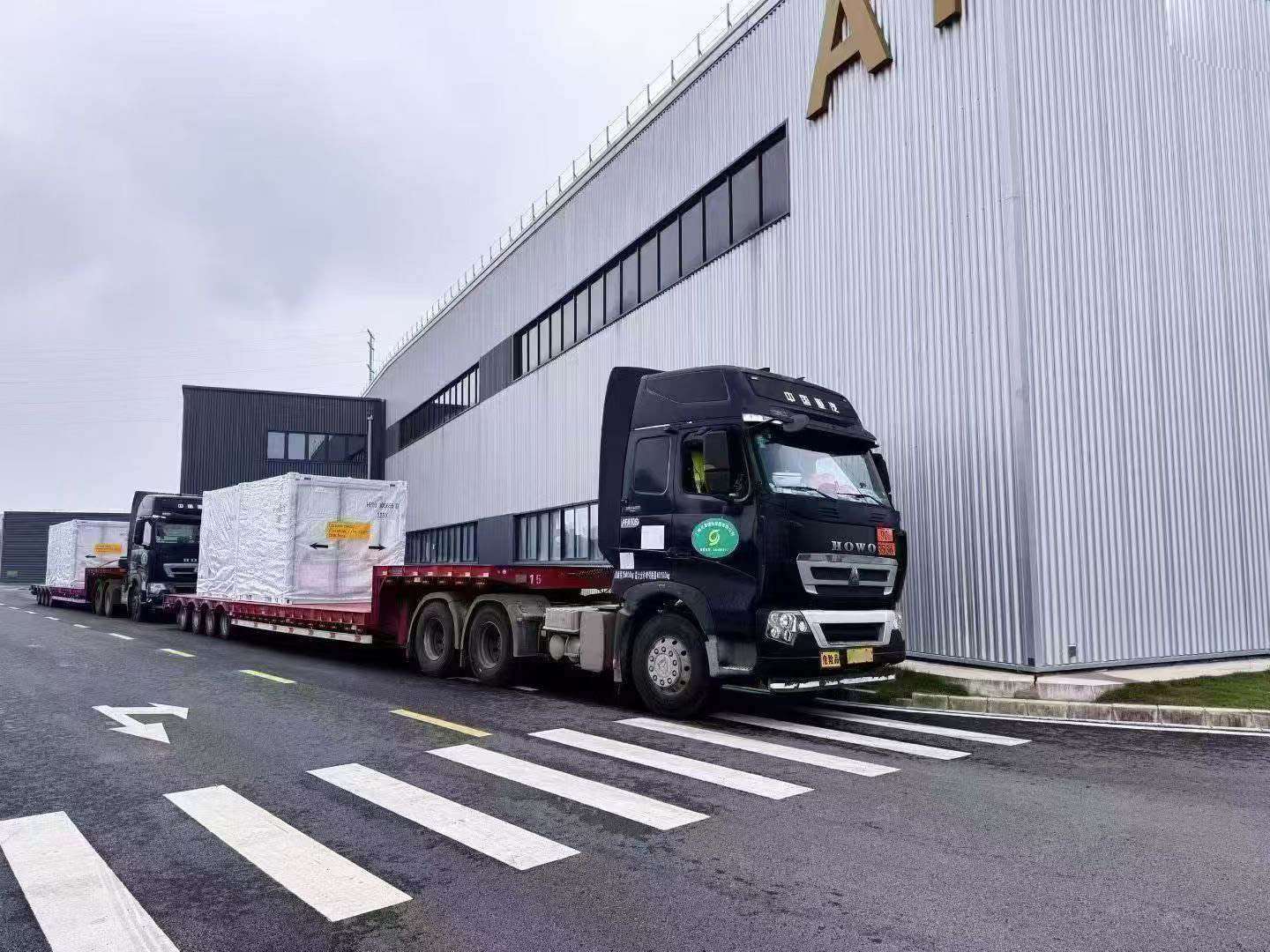
Acceptance: 100% factory acceptance testing before shipment, with third-party inspection and SAT available.
Use Cases: Which Configuration Fits Which Condition
Commercial and industrial peak shaving
Industrial parks and commercial facilities with fluctuating loads and high demand charges charge during off-peak tariff periods and discharge during peak windows. The system runs 24/7 automatic energy management with scheduled charging and discharging, load-following and demand-limit control. The matched equipment set typically includes a grid-connection cabinet, transformer if required, switchgear, smart meter, CTs, plant-level EMS and cabling; the prerequisites are a load-profile assessment, the time-of-use tariff, grid-connection approval, protection coordination and fire safety compliance.
Critical-load backup for hospitals, data centres and emergency services
The requirement here is continuity for selected critical loads, not tariff arbitrage. The system operates grid-connected under normal conditions and transfers to islanded backup operation during outages when configured with grid-forming PCS and an STS or EPS. Designing it requires a critical-load assessment, a defined backup duration, islanding protection, a black-start strategy, an emergency response plan and fire safety compliance — with UPS retained for zero-interruption loads.
Solar-plus-storage and PV self-consumption
Solar farms, industrial parks and commercial buildings with daytime surplus PV and evening peak demand store excess generation, raise onsite solar consumption, reduce grid imports and provide optional backup. The matched equipment set spans PV modules, a PV inverter or hybrid PCS, combiner box, smart meter, EMS, transformer if required, STS/EPS for backup and communication cabling. Export limitation requirements and coordinated PV-battery control determine whether the system actually captures the surplus.
Remote mining and weak-grid microgrids
Off-grid or weak-grid industrial sites stabilise the microgrid, reduce diesel-generator runtime, support renewable utilisation and improve reliability through coordinated solar PV, battery storage, diesel and loads with grid-forming control and automatic source scheduling. The engineering work sits in the site load study, motor-starting analysis, spinning-reserve strategy, high-temperature and dust protection, black-start capability and remote O&M arrangements.
Utility-scale renewable integration and grid-side storage
Utilities, independent power producers and renewable developers use storage for shifting, peak regulation, frequency support, power smoothing and dispatchable capacity. The scope expands to PCS, medium-voltage transformer, MV switchgear, AC collection, substation equipment, protection and control, SCADA, plant-level EMS and communications. Grid impact studies, local grid-code compliance, dispatch-interface requirements, cybersecurity and environmental assessment are all part of the project, not optional extras.
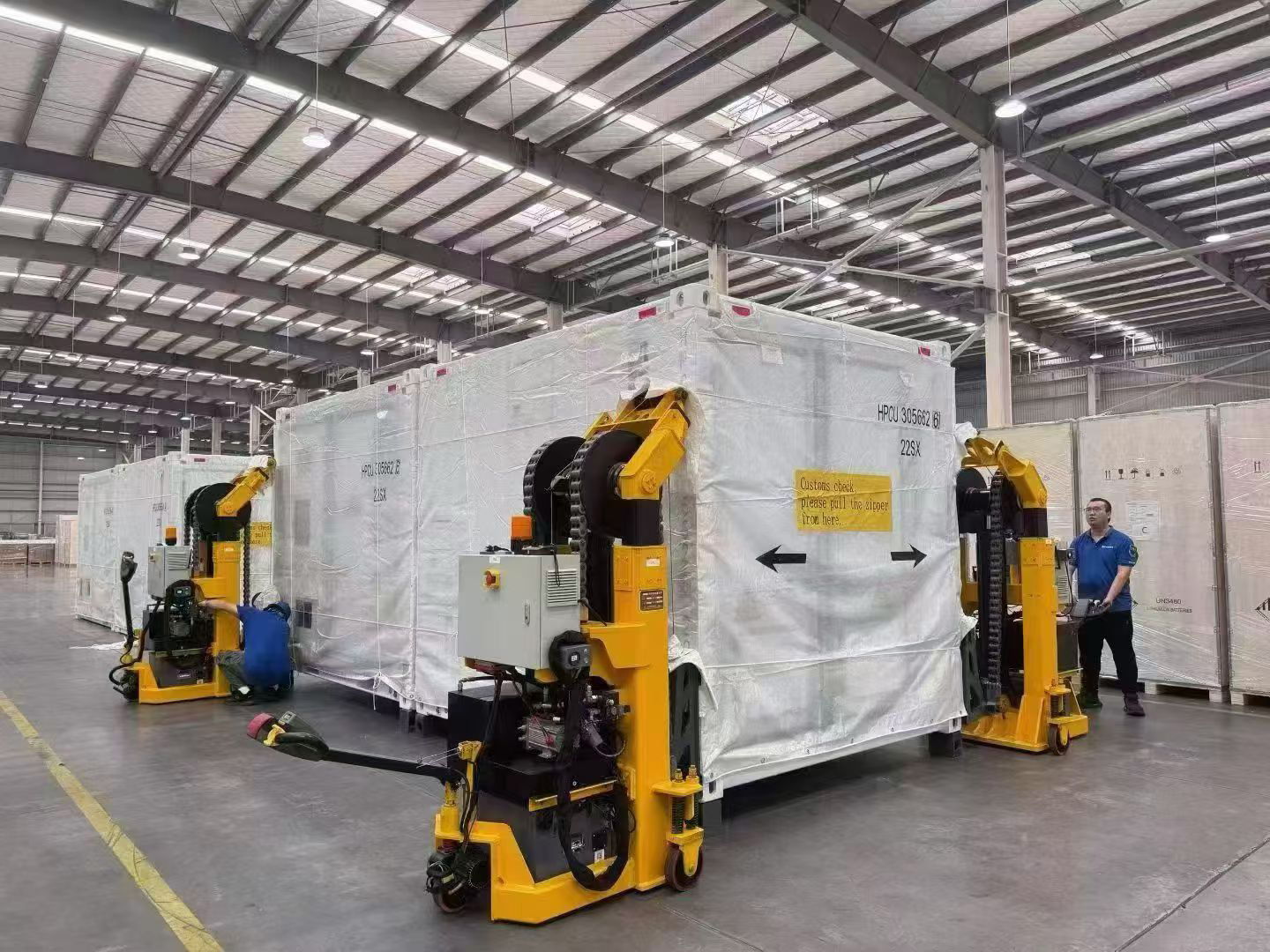
Assembly: 10-ft and 20-ft containerised systems covering 500 kW / 1044 kWh through 5.015 MWh configurations.
Comparison Table: Multi-Vendor Versus Integrated Scope
The table compares a conventional multi-vendor BESS structure with an integrated approach. Figures on the integrated side are Xupernova's stated scope values and are configuration-dependent; the multi-vendor column describes the baseline structure that those values are measured against.
| Decision dimension | Conventional multi-vendor BESS | Integrated / turnkey scope |
|---|---|---|
| System boundaries | Battery, PCS, EMS, thermal and fire systems contracted separately | Battery, PCS, BMS, plant-level EMS, thermal management, fire protection, transformers, switchgear and grid-connection systems in one scope |
| External interfaces | Coordinated by the EPC or the owner | Reduced by up to 70% with all-in-one integration, depending on configuration |
| On-site integration workload | Multiple crews, sequences and handover points | Cut by 55%; on-site deployment cycle reduced by 40% in turnkey scope |
| Commissioning | Staged, with several parties involved in fault tracing | Shortened by 45%, with unified commissioning |
| Availability | Governed by the weakest interface between subsystems | ≥99.9% system availability in turnkey scope |
| After-sales accountability | Split between suppliers; coordination workload falls to the buyer | Single-point technical coordination and lifecycle service support; multi-supplier coordination workload cut by 60% |
Frequently Asked Questions
What compliance work must be completed before a battery energy storage system is commissioned?
Compliance is project-specific and covers grid-connection approval, protection coordination and compliance with the grid code at the point of connection, plus fire safety. On the fire side, Xupernova configurations use multi-level temperature monitoring, BMS protection, liquid cooling, automatic alarm and emergency shutdown, PACK-level and cluster-level aerosol fire suppression and a water fire-fighting interface. For U.S. imports, BESS fully encased in housing is classified under HTS 8507.60.00.90. The final scope is confirmed per project and per jurisdiction.
Can one platform cover both a 261 kWh commercial site and a multi-megawatt plant?
Yes, within one product family. Configurations run from the 25–50 kW / 64.54 kWh air-cooled solar-plus-storage cabinet through the 125 kW / 261.25 kWh liquid-cooled cabinet and the 500 kW / 1044 kWh 10-ft container to the 1125 kW / 2170.3 kWh and 5.015 MWh 20-ft containers, all rated for -30 to 55 °C. Multi-container plants are then coordinated by the plant-level EMS, which supports ≥200 MW plant capacity with a control response of ≤100 ms.
What drives the cost of a battery energy storage system project?
The dominant drivers are energy capacity, power rating, cooling method, grid interface and balance-of-system scope. As a market reference, all-in CAPEX for four-hour-plus utility-scale projects reached USD 125/kWh in late 2025 outside China and the U.S., per Ember. Scope design changes the number materially: direct medium-voltage AC-side integration is stated to cut balance-of-system cost by 18%, while integrated all-in-one scope reduces integration and commissioning workload. Actual pricing is quoted after sizing against the load profile.
What validation is available before shipment?
Xupernova applies 100% factory acceptance testing before shipment, with third-party inspection and site acceptance testing available. The minimum order quantity is one unit, and payment terms are 30% deposit with 70% before shipment after FAT — a structure that gives the buyer a documented verification gate before the balance is released.
What delivery terms and long-term support are available?
Delivery terms are EXW, FOB, CIF, DAP or DDP. Production is backed by 5GWh+ annual capacity and a 700,000 m² manufacturing base, and project lead time is confirmed against the final configuration. After commissioning, Xupernova provides 24/7 support, one-on-one consultations and after-sales service, operating through strategic partnerships with 80+ companies in more than 30 countries. For a configuration review, send the load profile and single-line diagram to bill@xupernovatech.com, or download the Xupernova energy storage product catalog to start the shortlist.
Conclusion: Solve the Scenario, Then Buy the Equipment
Battery energy storage has become a mature hardware category: 108 GW deployed globally in 2025, roughly 90% of it LFP, with long-duration CAPEX at USD 125/kWh in leading markets outside China and the U.S. What has not become commoditised is the judgement that decides whether an asset earns its return — how the peak window is mapped, how backup loads are defined, how solar surplus is captured, how weak grids are stabilised and how a multi-container plant is dispatched.
The practical sequence is therefore unchanged: define the problem from site data, size power and energy separately, settle thermal and fire strategy early, decide the grid interface, lock acceptance criteria, and only then compare hardware. A platform spanning 64.54 kWh to 5.015 MWh with a single control layer, plant-level EMS to ≥200 MW and one accountable party for integration gives procurement teams a way to keep interface risk where it belongs.
Next step: share your load profile and grid conditions for a scenario-matched configuration review.
Xupernova New Energy Technology Co., Ltd.
Energy storage and new energy solutions — C&I, utility-scale, mobile charging and integrated solar-storage.
Email: bill@xupernovatech.com | Tel / WhatsApp: +86 186-0828-3917
Address: East Gate of Yibin High-tech Industrial Park, Cuiping District, Yibin City, Sichuan Province, China
Web: www.xupernovatech.com | Catalog: Download PDF
Have Questions or Need More Details?
Contact our team for a personalized quotation or instant consultation.
Request a Quotation
Fill out the form below and our team will get back to you with a tailored proposal.
WhatsApp Direct Chat
Prefer to chat in real-time? Message us on WhatsApp for instant assistance & quick answers.
- Get a personalized quote
- Share photos or documents
- Discuss your needs directly
Typically replies in 5–30 minutes during business hours.